
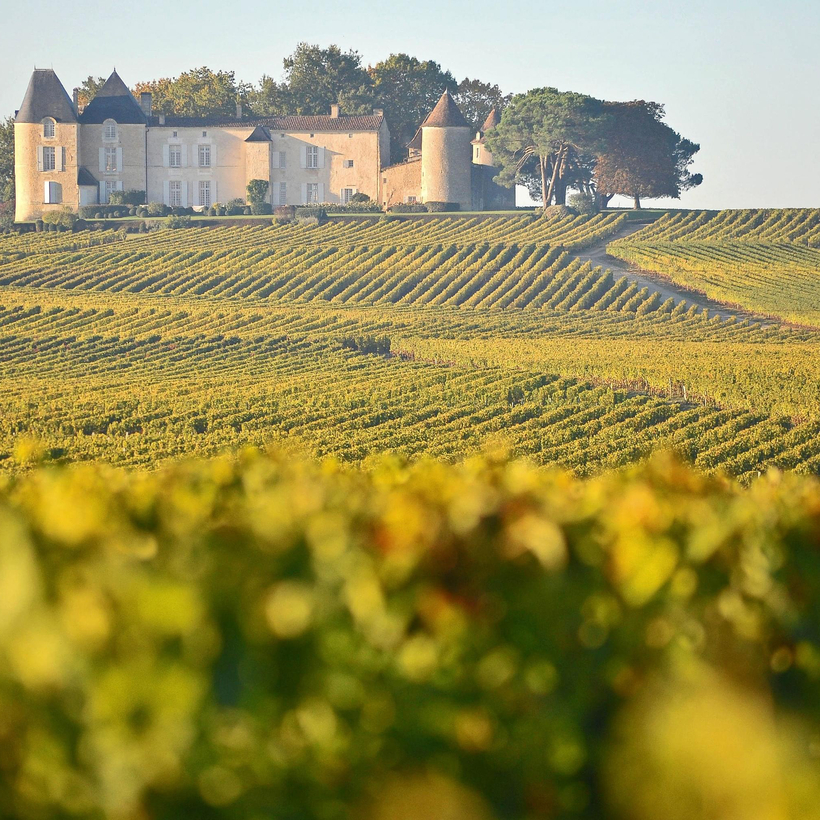

Fifteen years ago, I visited Noma in Copenhagen, which had just been named No. 1 by the World’s 50 Best Restaurants. Perusing the wine list, I was surprised to discover there was not a single Bordeaux on offer. “It doesn’t really match with our style of cooking,” the sommelier said when I asked about this glaring omission. In the years since, this has become less surprising, as Bordeaux has been replaced by Burgundy in the purchases of wealthier buyers and by the Loire in the case of young acolytes of natural wine. Many renowned Bordeaux now sell for less than their Napa Valley Cabernet Sauvignon counterparts. Which is why I would argue that Bordeaux represents one of the best values in wine today.
For centuries, Bordeaux sat atop the wine world’s hierarchy, and knowledge of its wines was virtually synonymous with oenophilia. Today, with good wine being made in dozens of regions around the world, and consumption declining, the O.G. of the wine world is struggling. “And yet there is a wonderful paradox,” says Florence Cathiard, the co-owner of Château Smith Haut Lafitte, in the Bordeaux region of Pessac-Léognan. “Bordeaux wines have never been better, and rarely have they offered such extraordinary value for money—even among the greatest wines.”