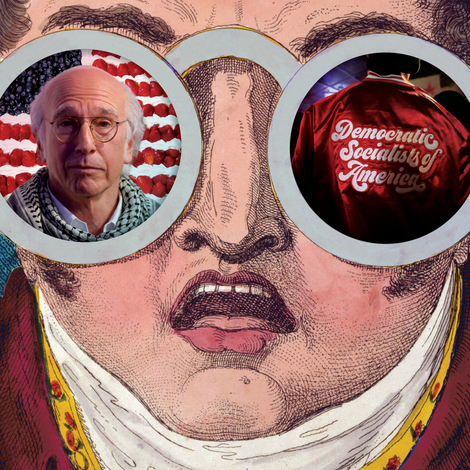

Why John Cheever, one of America’s finest short-story writers, is not as widely read today as he should be is perplexing. Are his stories too well rooted in a postwar America of growing affluence and suburban angst? To read him today is to encounter a world so precisely described, and emotion so finely calibrated, that it is the equivalent of sipping a gin martini, bracing and yet capable of warmth. Susan Cheever, herself a meticulous writer and the author of a previous memoir about her father, who died in 1982, has done a wonderful job linking his work to the events and influences around him. All the Men Wore Hats not only deepens our understanding of Cheever’s works but of Cheever himself and the daughter who ended up like him: a sympathetic yet critical observer of human frailty.
The siege of Leningrad, which lasted 900 days as Hitler’s army encircled the city and tried to kill and starve its 1.5 million residents, is a well-told tale, but rarely has it been recounted and brought so vividly to life as Sinclair McKay does here. McKay not only reminds us of the horrors and the bravery that were both so much in abundance then, but places those brutal years in the context of the city’s magical and dark history; St. Petersburg was founded by Peter the Great and centuries later became the birthplace of Vladimir Putin, who lost his own older brother to starvation during the siege and later became deputy mayor of the city that did so much to shape him. It may have been called Leningrad from 1924 to 1991, but St. Petersburg has always remained a symbol of what Peter the Great envisioned and what Putin believes in: Russiaas a great power.