The rise and fall of the House of Assad is the story of Syria and the Arab world over the past century. At its most fundamental it is about a family and power. At its height, the Assads resembled a royal family, courted by American and British leaders, praised for their wisdom, authenticity, anti-Western radicalism and glamour by Western academics, activists and progressives — and even Vogue magazine. But they ended more like a murderous Mafia clan, enriched by drug dealing, empowered by the mass killing of 40,000 people in a week, of 600,000 in a decade, butchery unequalled in the Middle East in modern times.
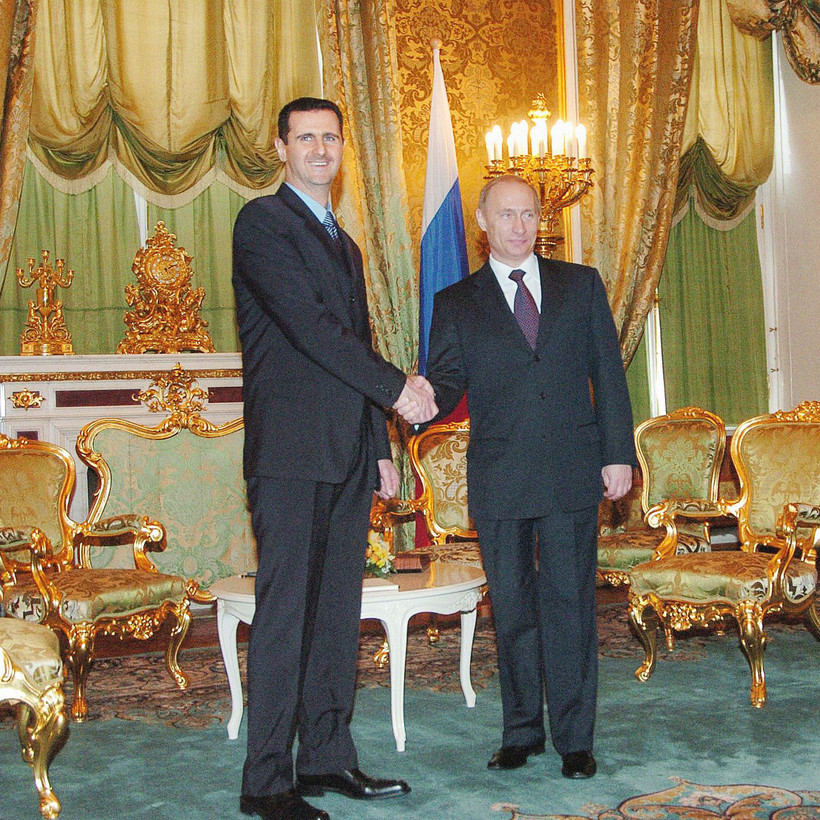
Their fall has been awesomely fast. And now the former dictator Bashar al-Assad and his wife Asma face the prospect of a withering life of obscurity — semi guests, semi prisoners — although they may feel at home as they browse Moscow’s gilded shopping malls, protected by the security organs and cushioned by the vast wealth they are said to have spirited away. Their new home may be a government dacha in the Muscovite suburbs or one of their own properties. The Assads are said to have a huge portfolio in Moscow, including 18 flats in the City of Capitals skyscraper complex.