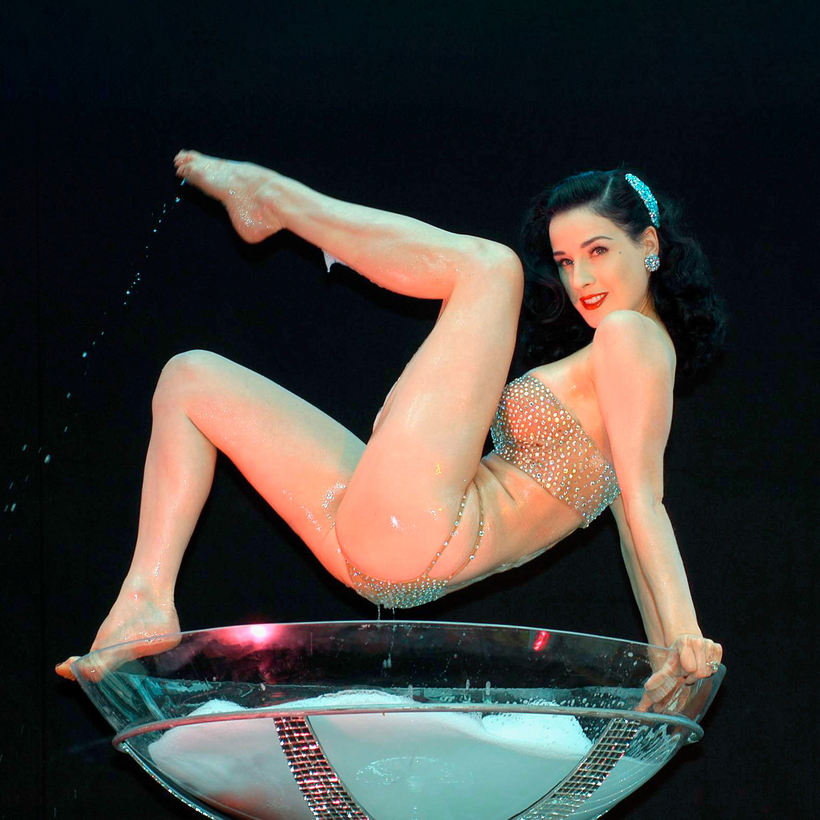

Champagne is one of the most abused and misunderstood beverages on the planet. It’s sprayed on the bodies of Formula One racers and other athletes as a victory ritual. It’s served at the end of a meal to accompany cake at weddings. And it’s often cited as a sexy substitute for water in a romantic bath. Of all these uses, the first is the least offensive, just wasteful; when it comes to the second, dry champagne makes a terrible accompaniment to a sweet dessert; and as for bathing in it, there’s a well-known story about how Natalie Wood had to be hospitalized over extreme discomfort and pain in her genitals after trying this out with Dennis Hopper. There’s actually a luxury hotel in London that’s advertising champagne baths at this very moment. Good luck with that.
Many people save champagne for New Year’s Eve, which seems like an oversight the other 364 nights. To my mind, champagne is more or less an everyday beverage, the perfect aperitif. Its acidity and natural carbonation wake up the palate, and while I commend the martini as a starter, especially if it’s served in the classic, stemmed glass, it dulls rather than enlivens the taste buds. James Bond may be best known for his martinis, but in the Ian Fleming novels that introduced him to the world, he was just as likely to order champagne—usually Dom Pérignon. (And he knew his vintages.)