
Paolo Roversi loves to quote literature. One of his favorite lines is from Rumi: “I searched for God and found only myself. I searched for myself and found only God.” Another comes from the 17th-century religious poet Angelus Silesius: “The rose is without why; it blooms because it blooms. It pays no attention to itself, asks not whether it is seen.”
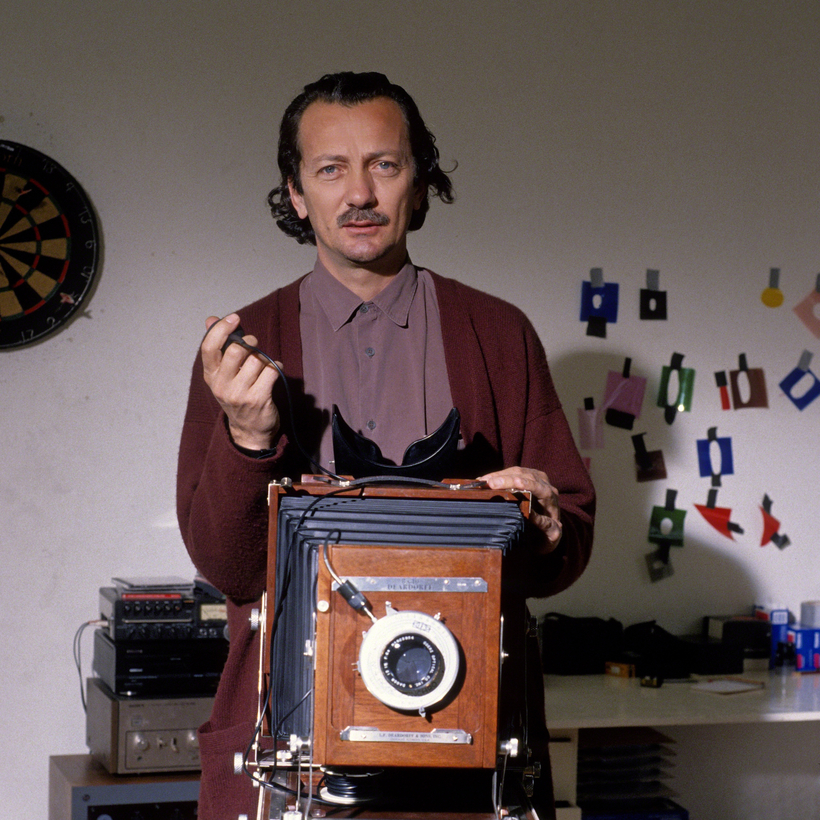
I recently visited Roversi in his studio in Paris’s 14th Arrondissement, where he has worked since 1981. His studio manager of 30 years, Anna Hägglund, greeted me at the door and invited me to take a seat in the office on the first floor, where his portraits breathe throughout the space. Many helped define the early days of fashion photography: the black-and-white photographs of a 20-year-old Natalia Vodianova, the Russian model’s eyes fixed on the camera lens like a python’s; another in which she lies on the floor, her naked body languid and serpentine. Nearby hangs an image from Roversi’s series for the Japanese fashion designer Rei Kawakubo—images in which models pose mid-movement, their bodies suspended between stillness and flight.