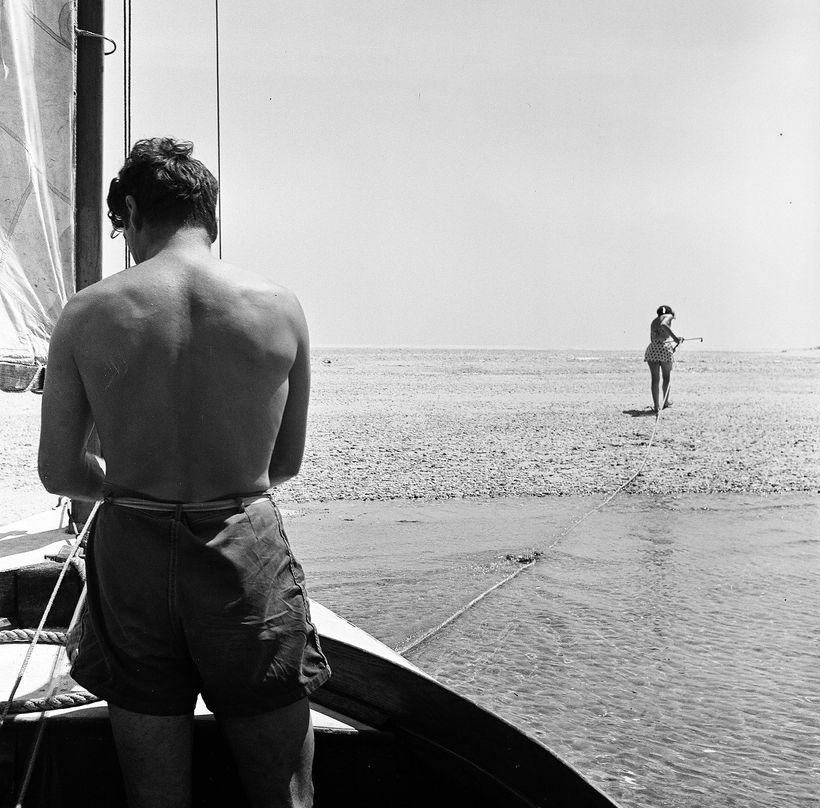
Ask a small child to draw loneliness, and the subjects most likely to take shape on the page are empty homes, weeping orphans, elderly widows, perhaps even a man keeping watch in a lighthouse, surrounded by nothing but a wide ocean. The realization that loneliness might be even more keenly felt in the midst of a familiar crowd is one that dawns with maturity. Where this knowledge of an unfulfilled yearning for connection begins, innocence ends.
No one else writing today has been as explicit about the existential dimensions of loneliness as Elizabeth Strout. She has, throughout her extremely prolific output, infallibly found new ways to articulate for readers her fundamental preoccupation: the tragedy that is an unwitnessed life. “Loneliness can kill”—originally a line from Olive Kitteridge, the interconnected-short-story cycle which earned Strout the Pulitzer Prize in 2008—is the plight at the heart of Strout’s new novel, The Things We Never Say, about a man from whom loneliness has taken away all will to live.