
“This fictional account of the day-to-day life of an English gamekeeper contains many passages on pheasant raising, apprehension of poachers, ways to control vermin and other chores of the professional gamekeeper. Unfortunately, one is obliged to wade through many pages of extraneous material in order to discover these sidelights.”
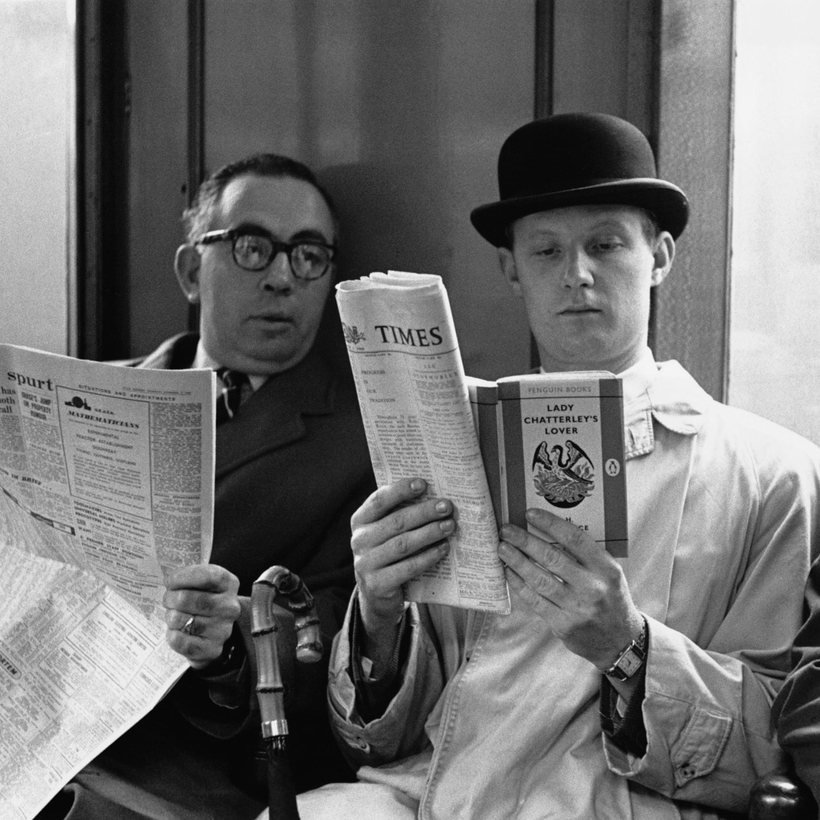
Such was the American Field & Stream magazine’s unique take on Lady Chatterley’s Lover. Needless to say, it was the “extraneous material” in D. H. Lawrence’s novel that both fascinated and scandalized the public. Banned in Britain, the United States, Canada, Australia, India, and Japan, it was condemned as “filthy,” “disgusting,” “shameful,” “a landmark in evil,” and “the foulest book in English literature,” while simultaneously being praised as “moral,” “tender,” “beautiful,” “sacred,” “great,” and even “comic.” The object of several obscenity trials, it has been parodied, imitated, argued about, and adapted for nearly 100 years.