
When Eugène Poubelle, the then prefect of the Seine, issued a decree in 1883 requiring Parisian landlords to provide their tenants with covered containers to hold their waste (instead of tossing it out on the street), few at the time could have predicted the outcome. Not only would Poubelle’s move be a giant step forward in public health, it also preserved his name for posterity—the French word for trash can is poubelle.
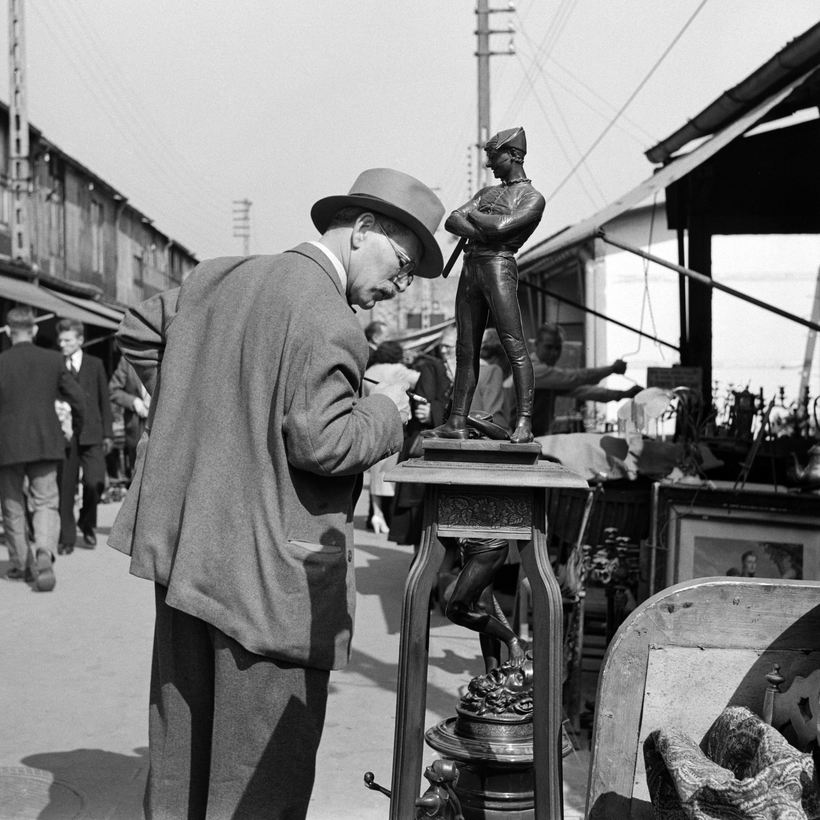
But the move was disruptive. Overnight, 40,000 chiffonniers—ragpickers and scrap collectors—who’d once patrolled Paris in the wee hours, picking up and sorting through the garbage, found themselves out of work and out of Paris, banished to the bordering town of Saint-Ouen-sur-Seine, where, eventually, an impromptu Sunday market sprouted up. By the early 1900s, the French press was calling it the Foire aux Puces (the Flea Fair), a nod to the questionable hygiene of the vendors and their wares.