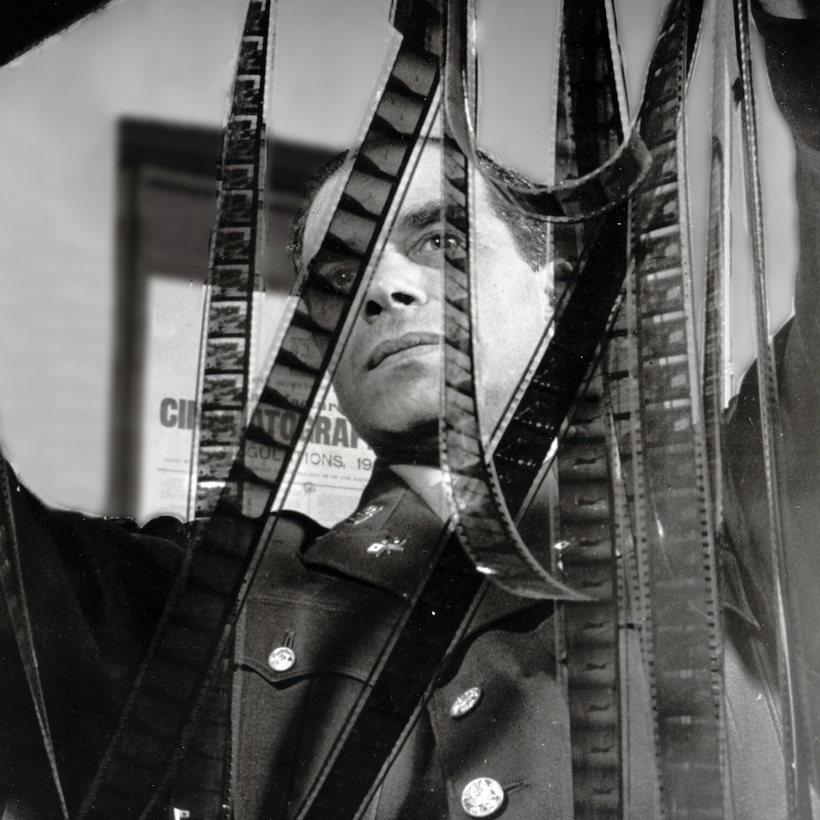

Since returning from the war, Frank Capra had begun to think that maybe what they had said about him was true—he was Pollyanna, he made manipulative, facile, sentimental shit. “Perhaps I had put too much faith in the human race—you know, in the pictures I had made,” he reflected. “Maybe they were too much as things should be.” But then, how could Frank Capra, who had lost his faith in man to be and do good above all, make a Frank Capra movie?
He hadn’t made a picture in four years, hadn’t run the big guild meetings or presided over Academy banquet committees. In the interim, Hollywood had gone on without him. New stars had come up. Speaking of himself and Jimmy Stewart (and, by extension, William Wyler and George Stevens, his partners in their new independent venture, Liberty Films), who had just returned from the war in Europe, deepened and roughened in Stewart’s case by actual combat, Capra said, “Most ex-service men are scared to death the public has forgotten them. They’re amazed at how the fans have lionized 4-Fs. . . . A good many of them feel that the public is weary of uniforms and that they will react against them. It’s a pity if the careers of some of these public figures were to be jeopardized because they answered their country’s call. . . .”