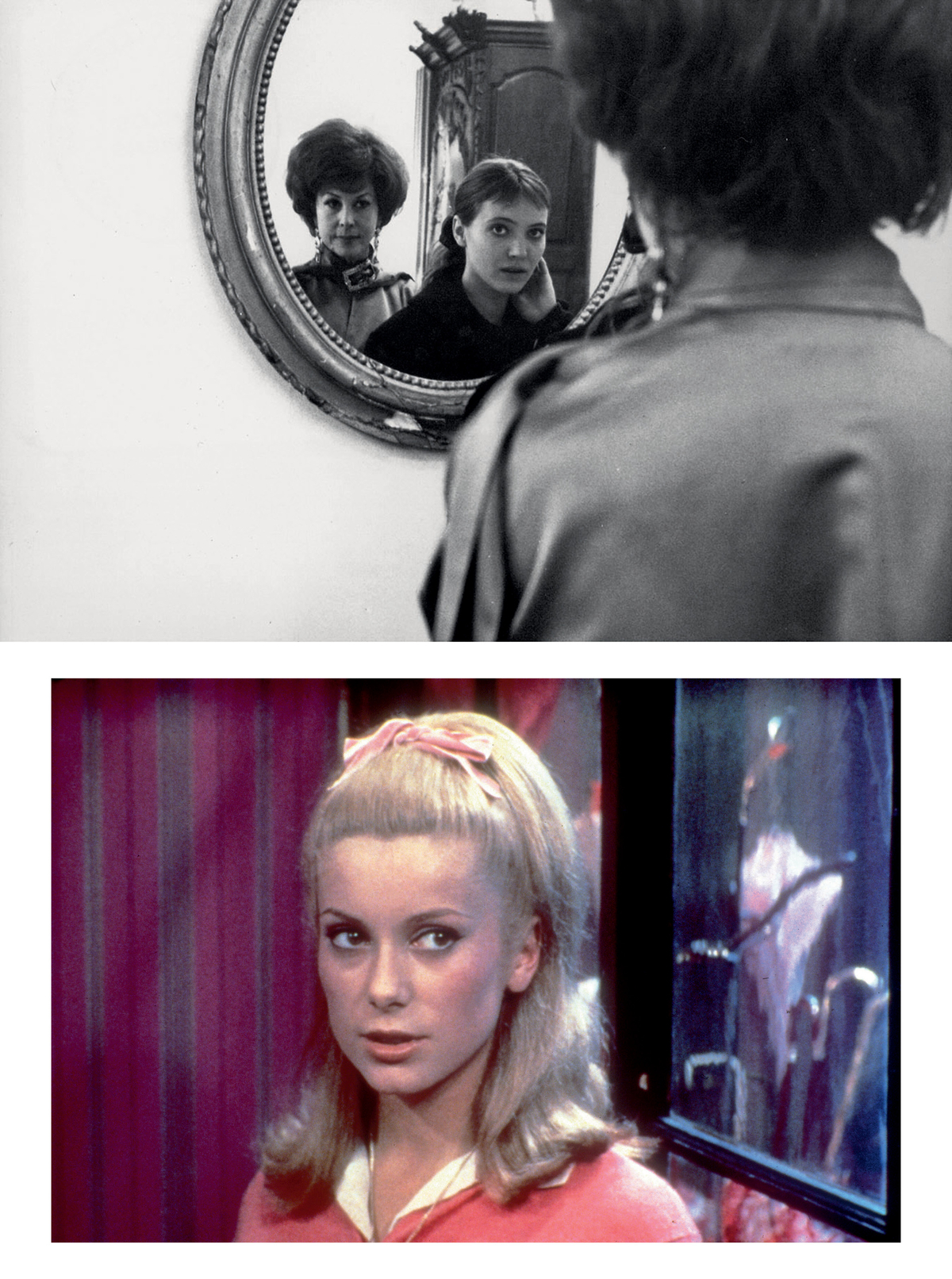
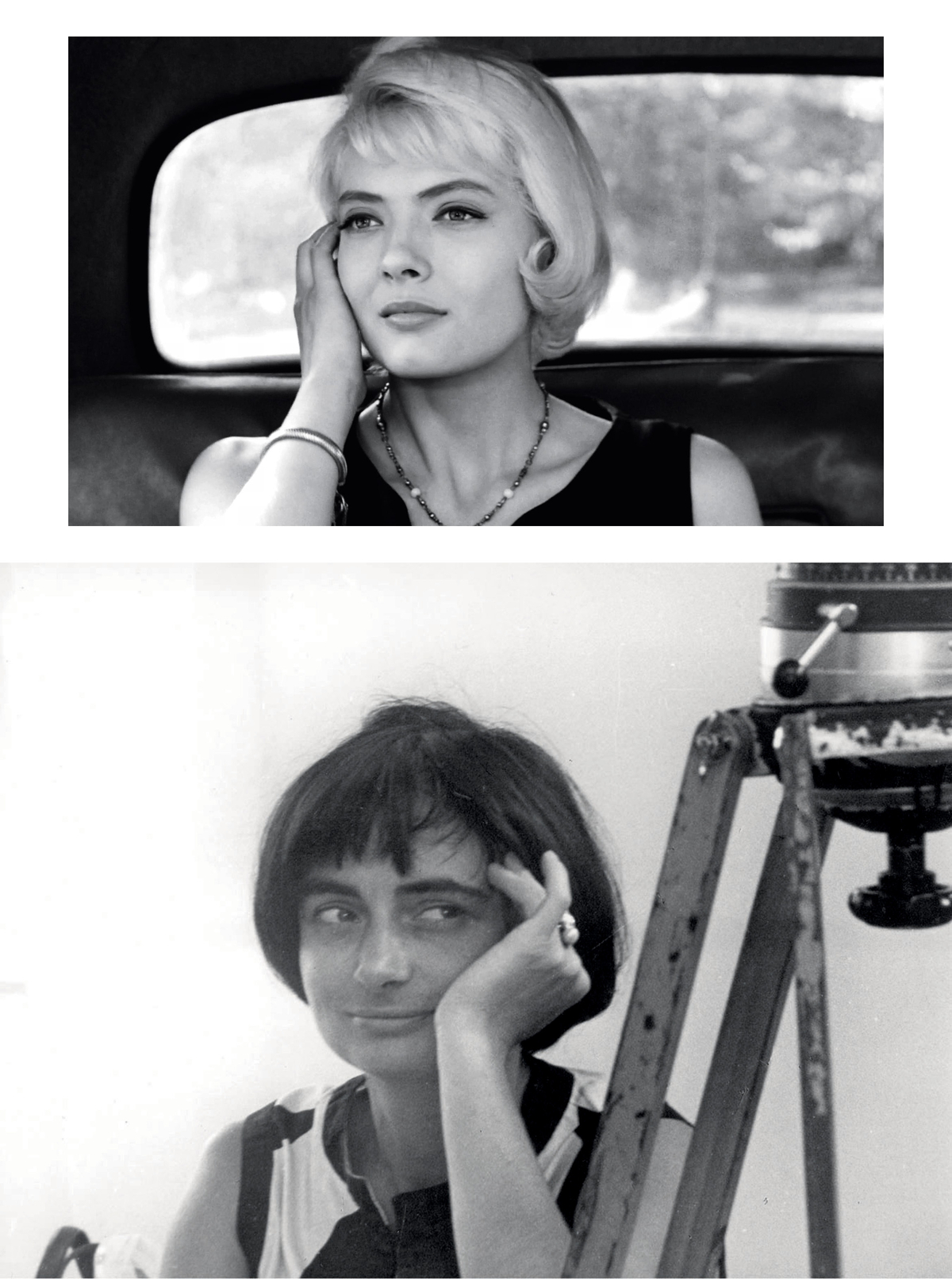
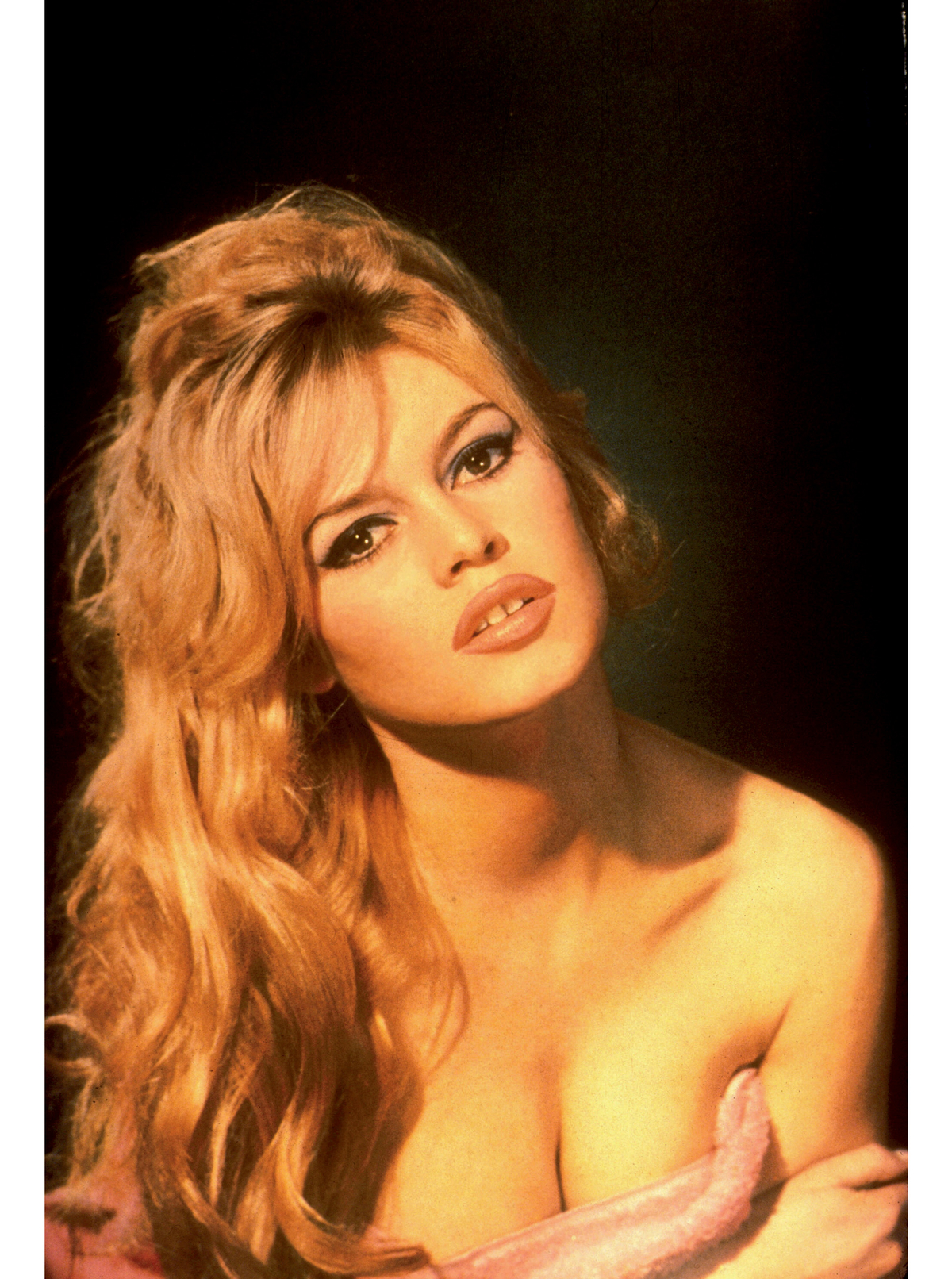
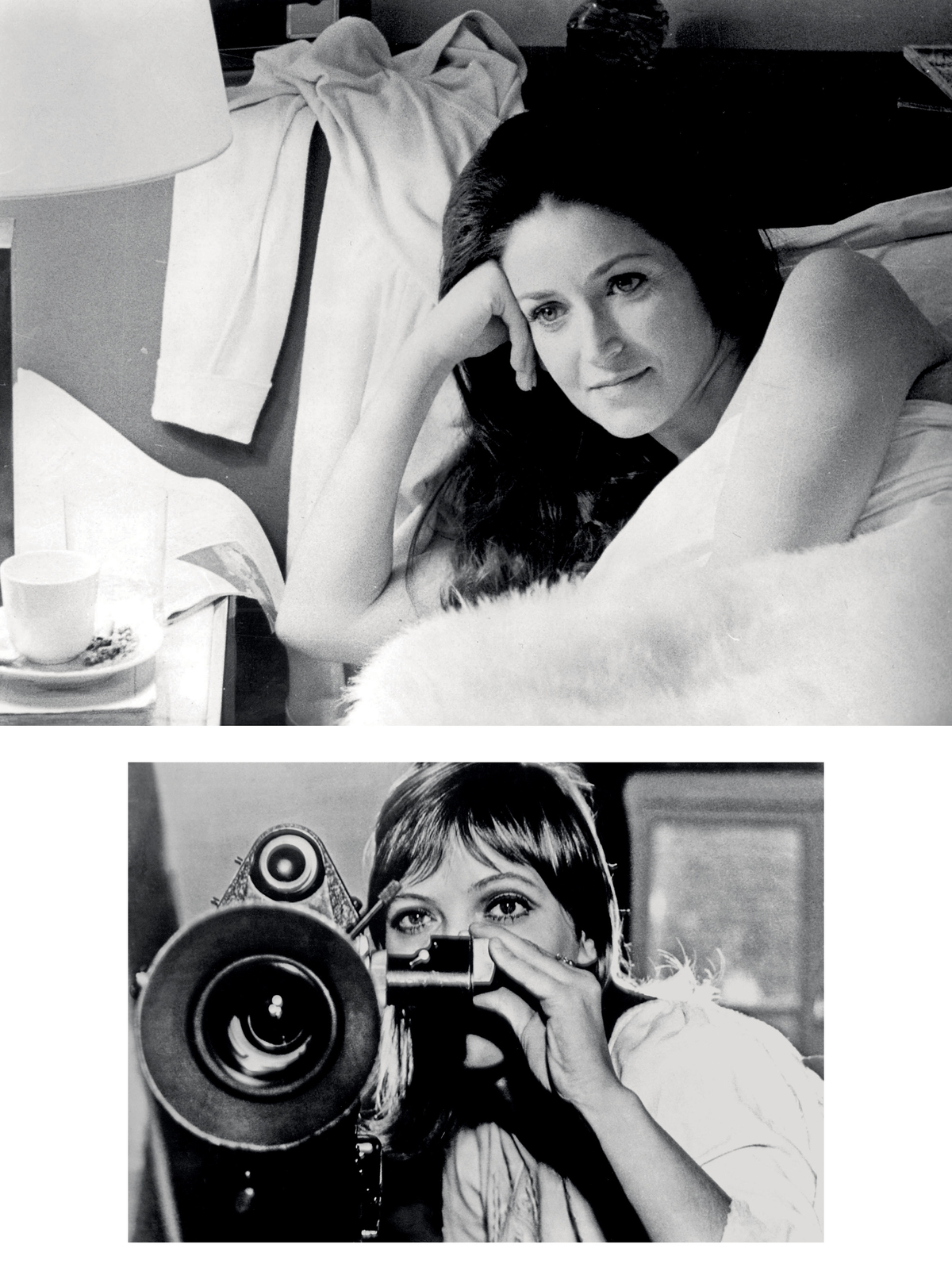
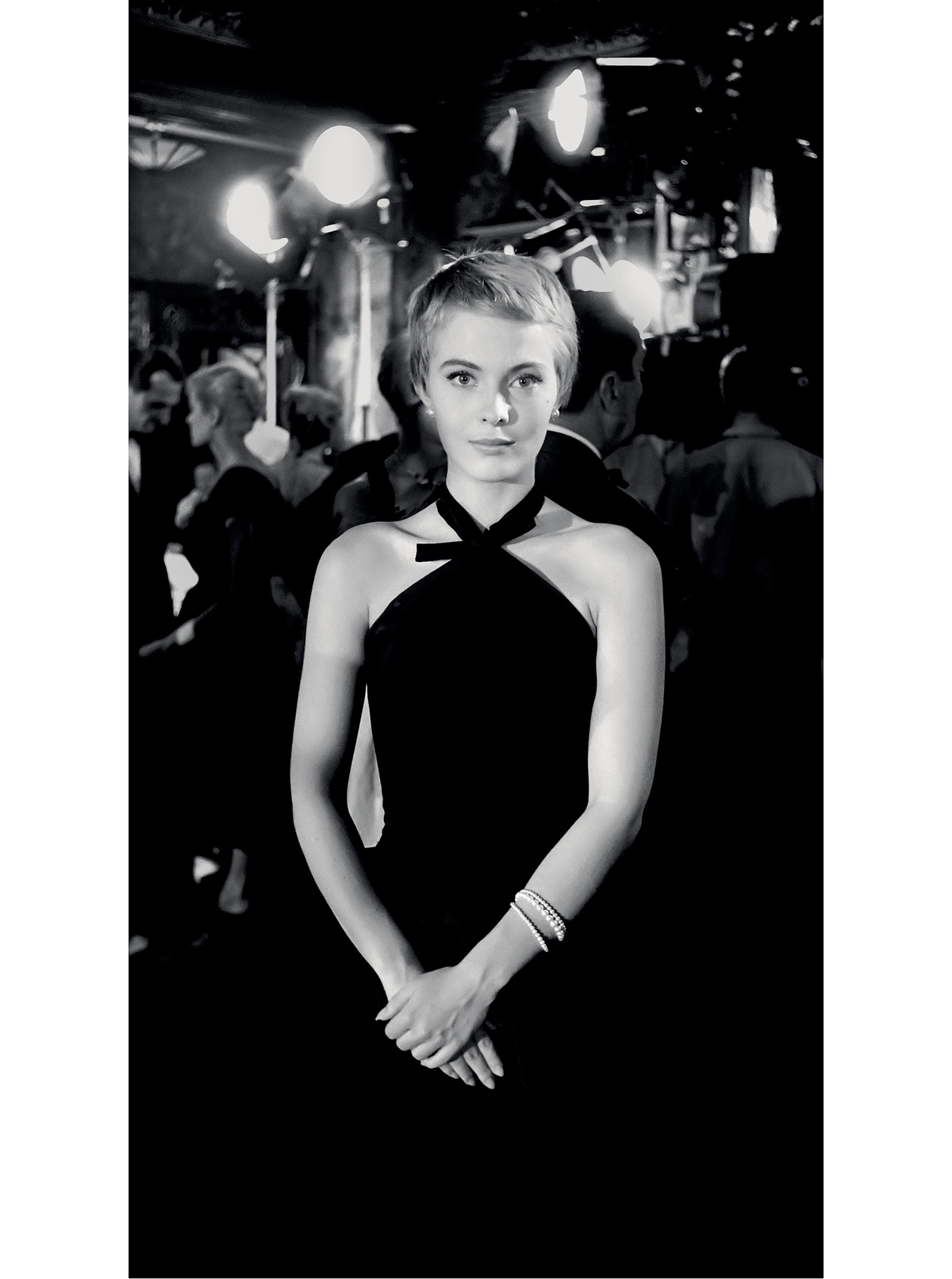
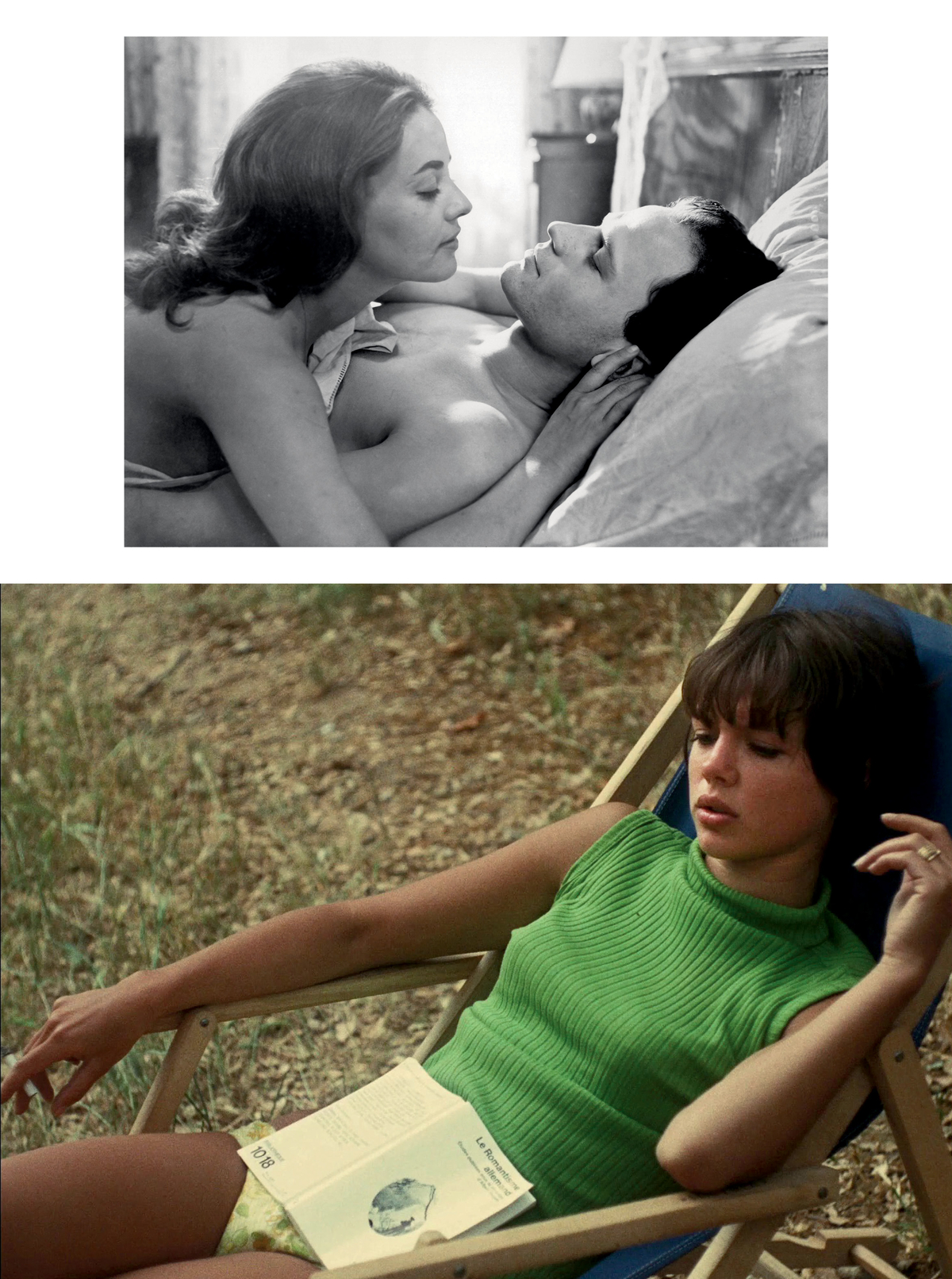
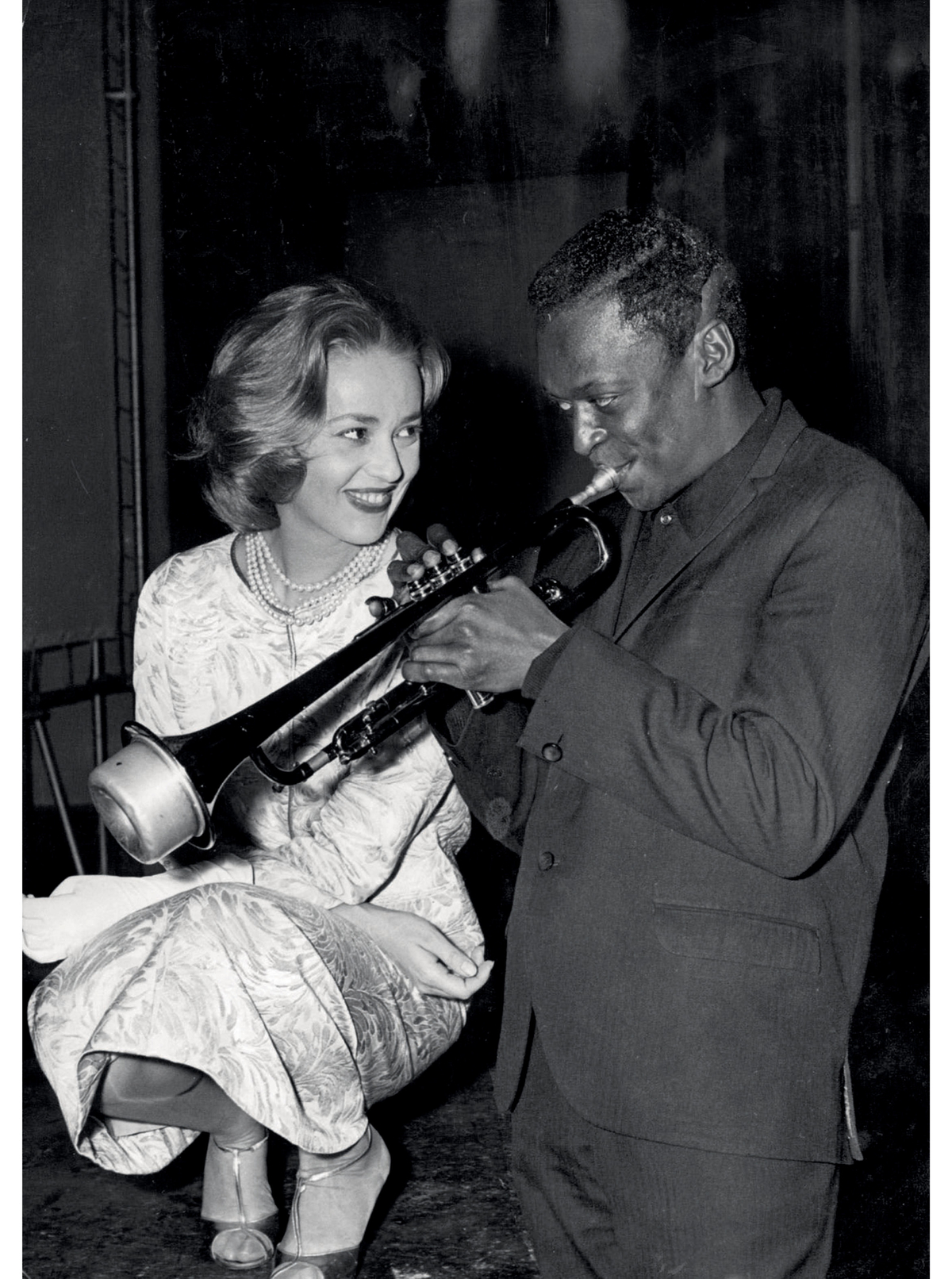
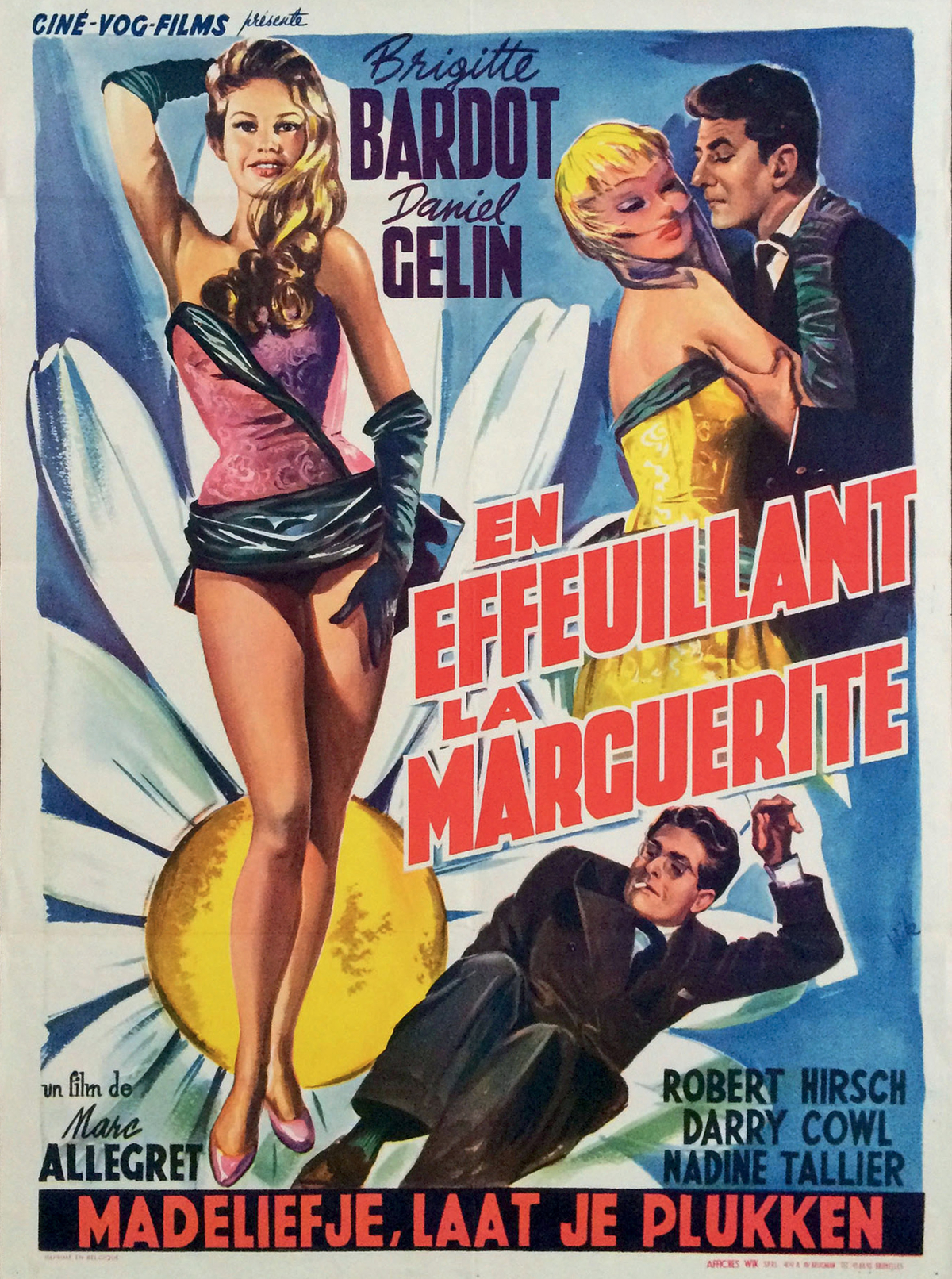
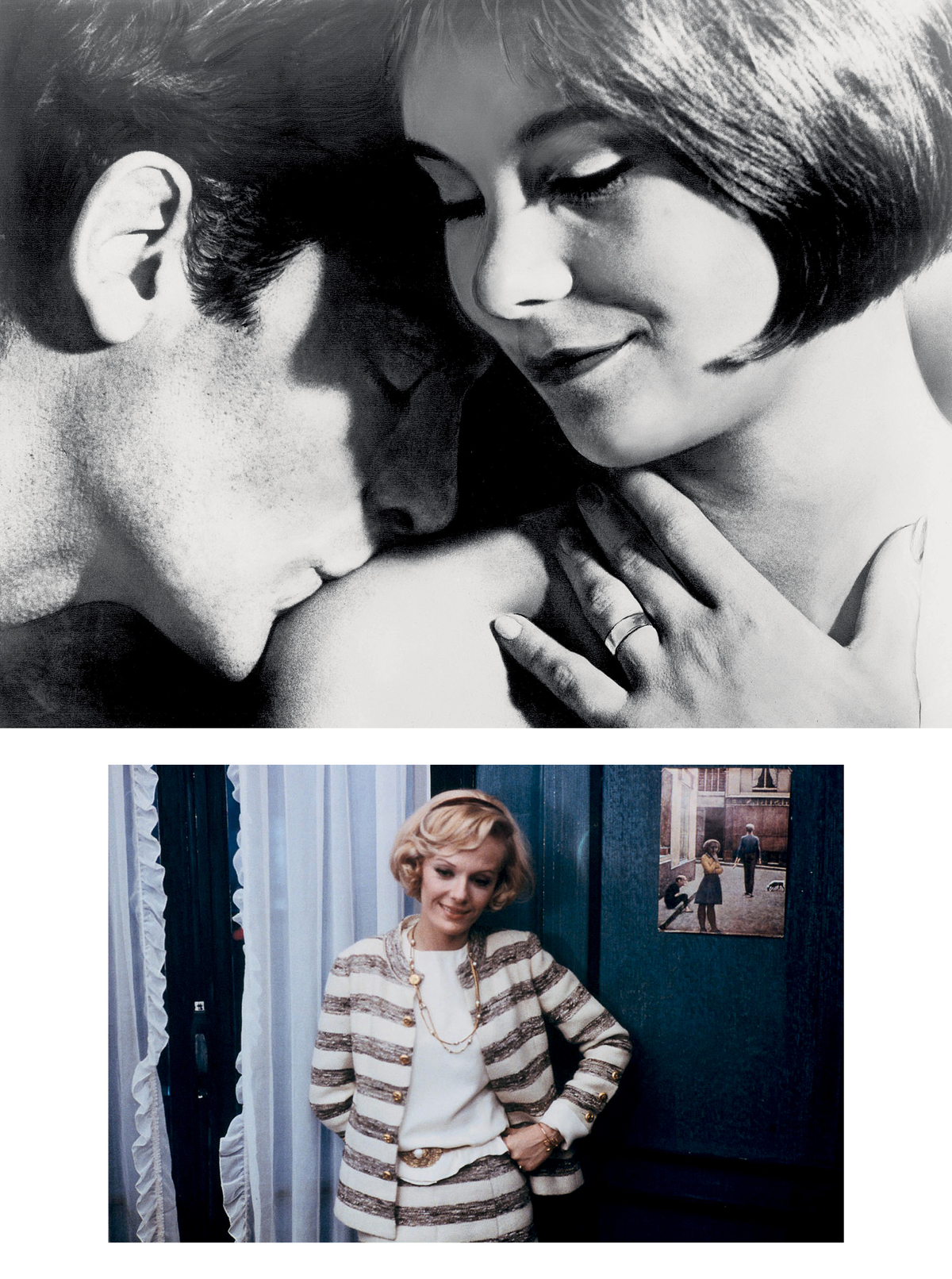
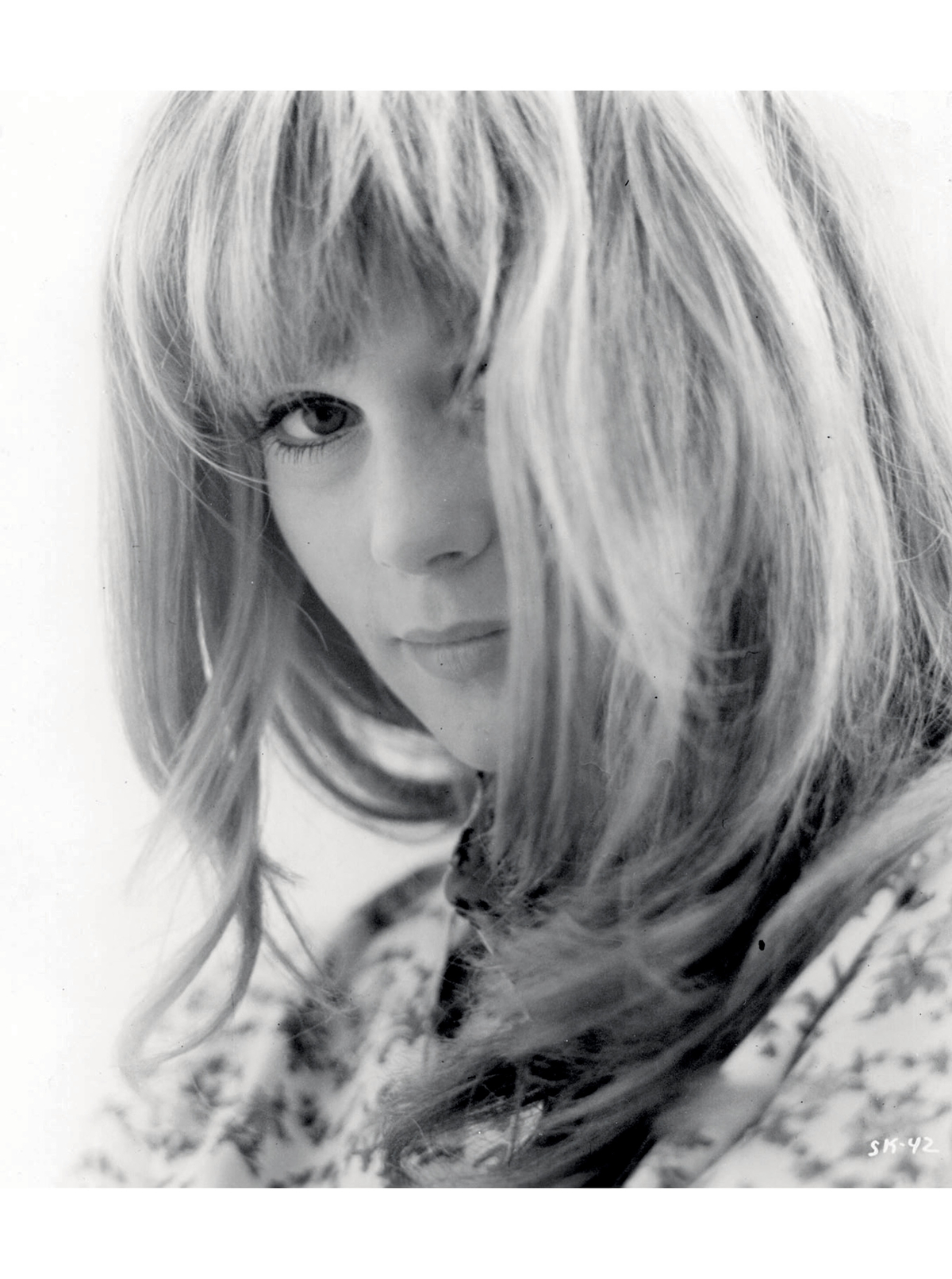
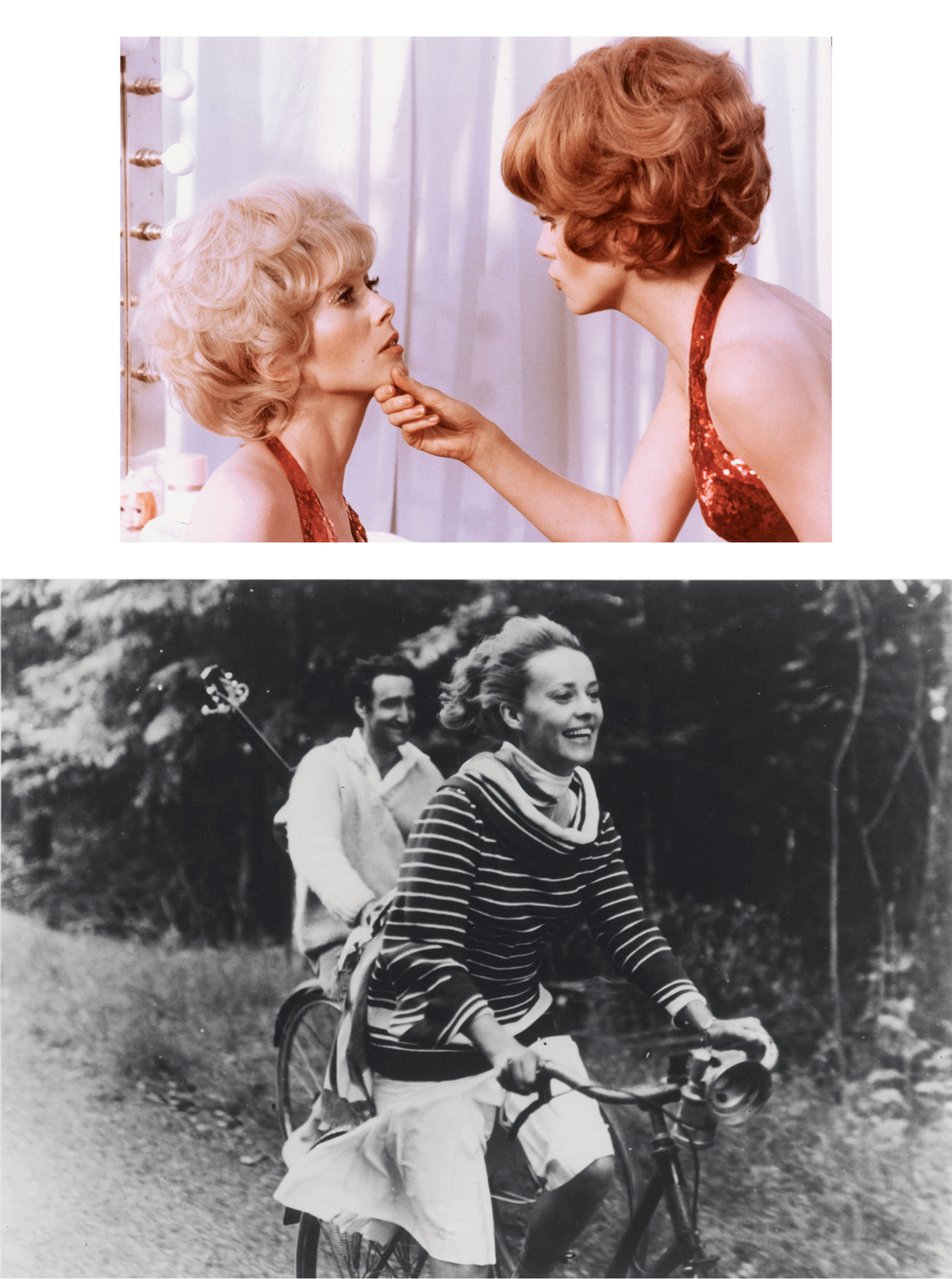
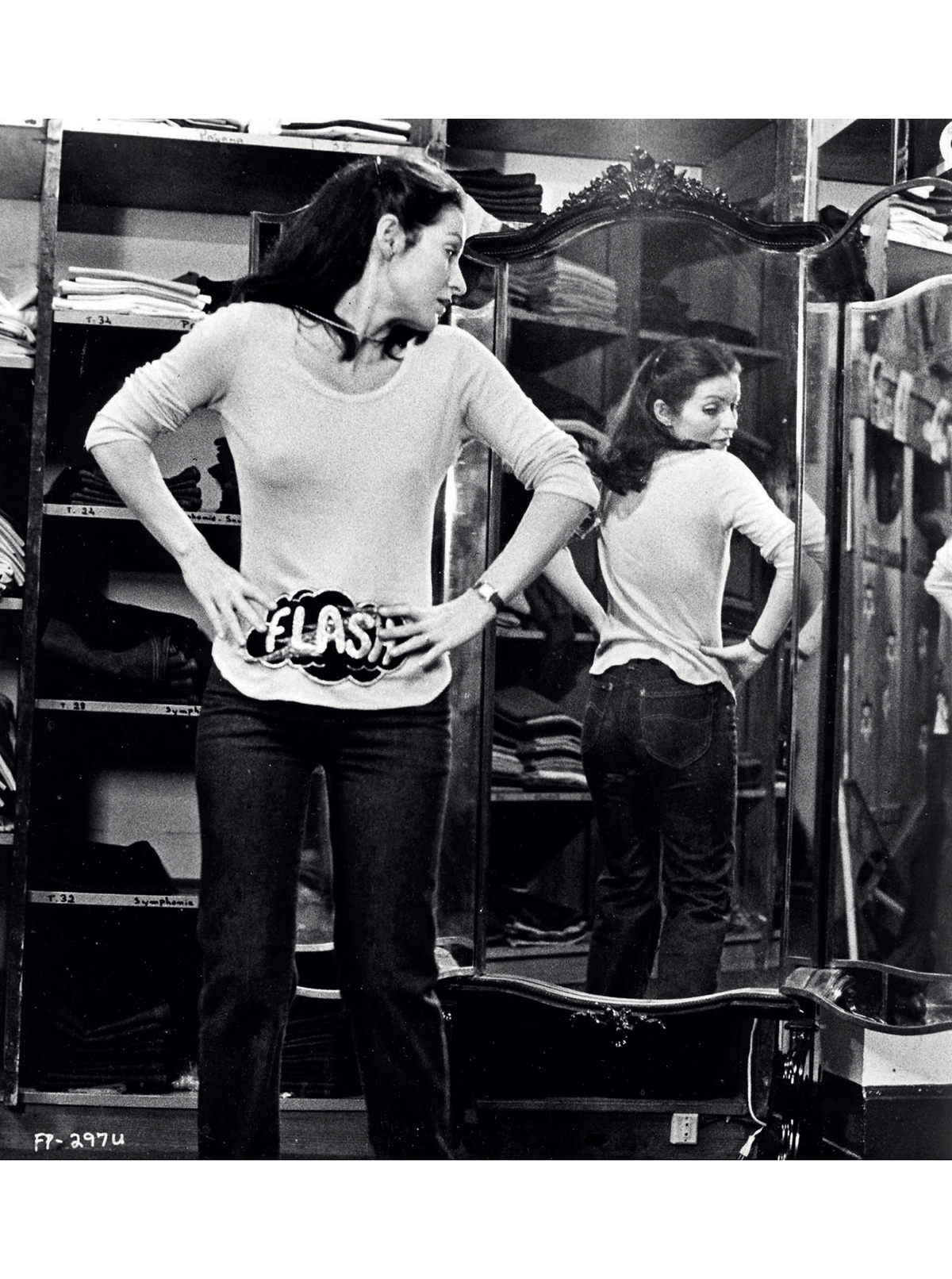
If you’re a fan of the 1960 New Wave classic Breathless and loved Richard Linklater’s 2025 Nouvelle Vague, in which Zoey Deutch plays a young Jean Seberg during the filming of Breathless, you will need to find a place on your coffee table for Ericka Knudson’s Nouvelles Femmes. God knows Jean-Luc Godard, Jacques Demy, and Jacques Rivette have gotten their fair share of recognition; this book is a much-deserved nod to the women of the French New Wave.
Embracing one of the most influential movements in film history, the book explains its stars in the context of postwar France, a time when nightlife and alcohol were ways to forget the recent German occupation. This shift toward rebellious hedonism was captured in Bonjour Tristesse, the debut novel of 18-year-old Françoise Sagan. Her pampered protagonist, the 17-year-old Cecile, is raised in a “bobo”—bohemian bourgeois—environment that rejects formality and responsibility for more careless fun. In Otto Preminger’s 1958 film adaptation, Cecile was brought to life by none other than Seberg. Indeed, Sagan’s novel, and the “Saganism” it inspired, added its own spin to New Wave sensibility: “Fast love, fast cars, and Scotch distract from a deeper malaise.”
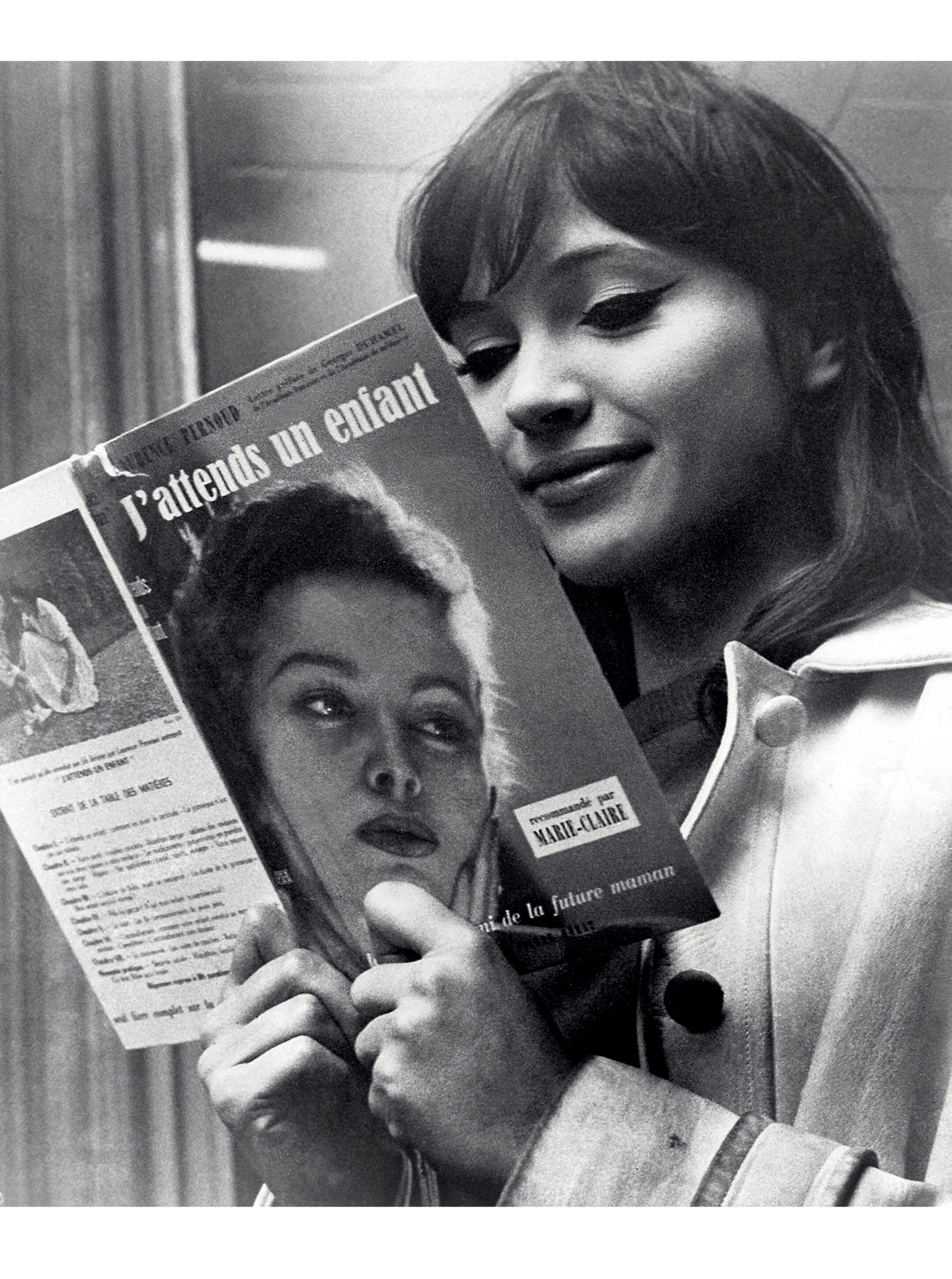
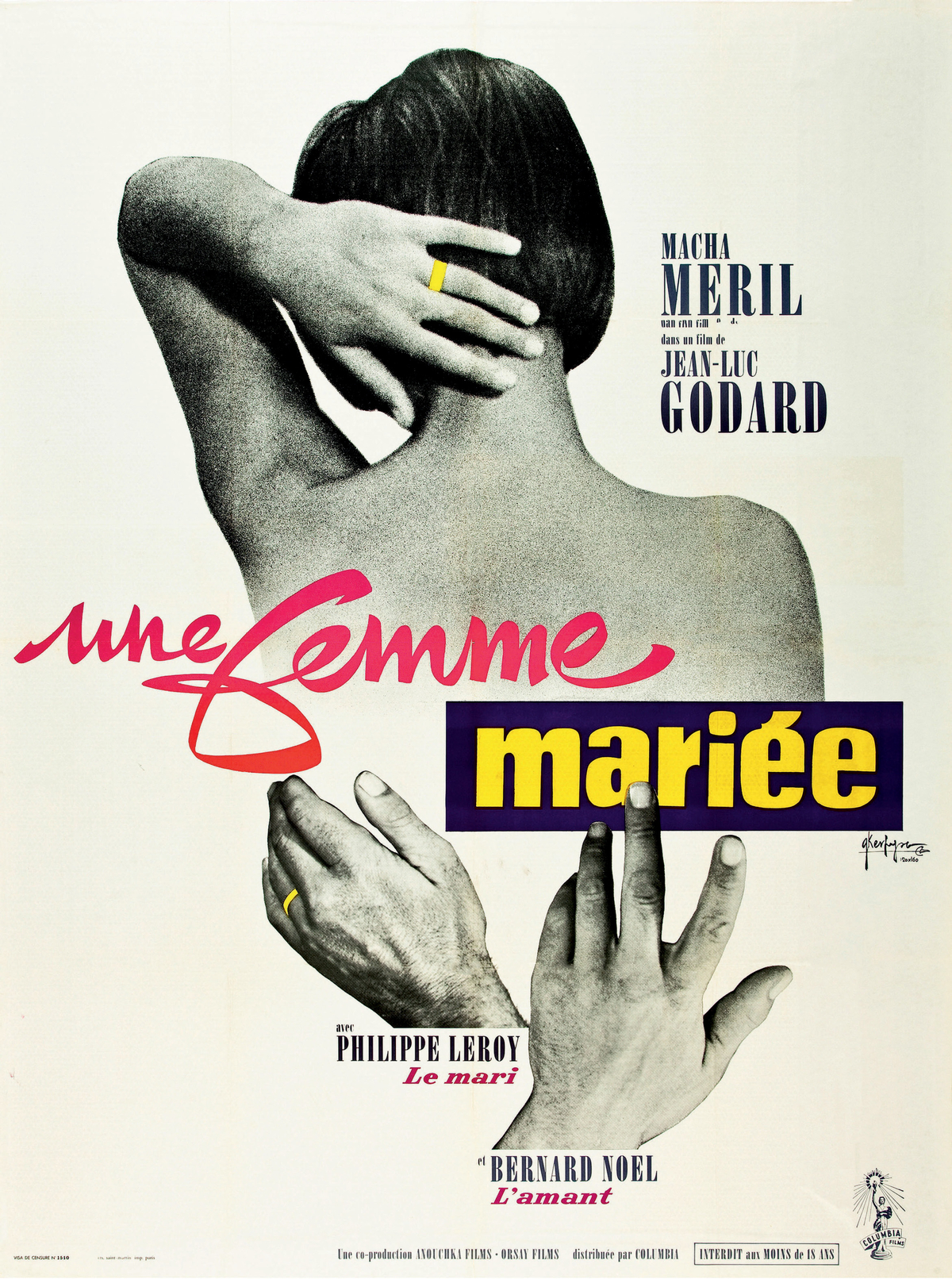
Along with Seberg, Knudson points to 12 other women who shaped French cinema, French society, and, by extension, Hollywood and the rest of the world. While Seberg is “the American in Paris,” Brigitte Bardot is “the natural woman”; Jeanne Moreau, “the passionate woman”; and Emmanuelle Riva, “the mature woman.” Knudson sees Anouk Aimée as “the romantic prostitute” (ouch!), Macha Méril as “the censored woman,” and Françoise Dorléac as “the real woman.” Haydée Politoff is “the modern blazon”; Françoise Fabian, “the liberated woman”; and Delphine Seyrig, “the evolving woman.” Knudson calls Agnès Varda “the director” (the one and only!), and Anna Karina “the woman in the oval portrait”—a nickname inspired by Edgar Allan Poe’s horror story about an artist, his wife, and his work. (Karina was once married to Godard.)
Often criticized for its flat portrayals of women as sexual objects and seductresses—and definitely not passing the Bechdel test—the French New Wave was nevertheless populated by strong and whip-smart women who were playing the game. “I didn’t mind these people using me,” Karina remembered. “I loved it. Because, using me, allowing them to use me, I knew I was using them at the same time. The relationship between an actress and a director is a relationship of seduction. It’s a double relationship.” As they say, there are two sides to every story. “The creative process is very intimate,” Karina summed up. “It goes beyond everything.” —Carolina de Armas
Carolina de Armas is an Associate Editor at AIR MAIL