
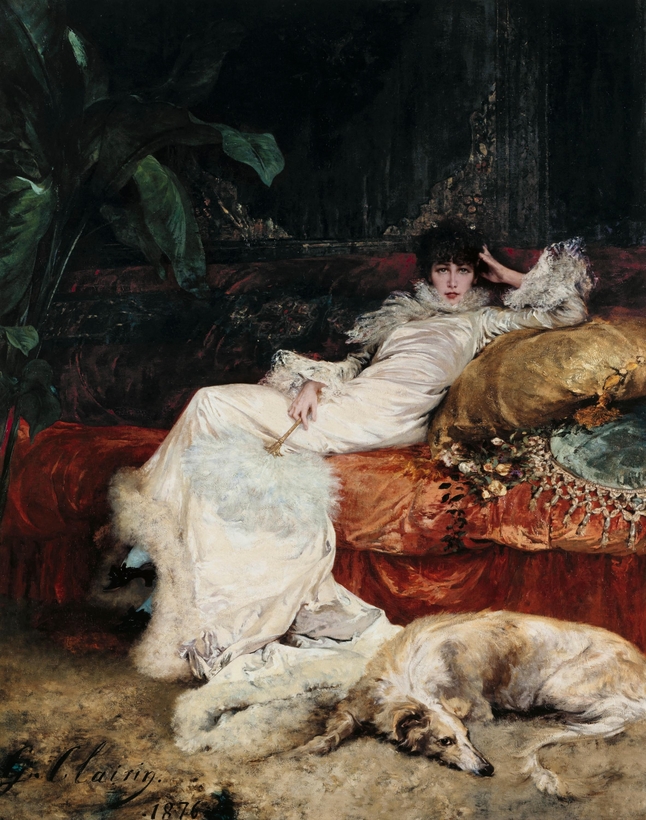
To step into Marcel Proust’s In Search of Lost Time is to enter a sea of sensation, memory, and recollection. But it isn’t only that. In a very real sense, this seven-volume novel is Proust’s record of the lifestyle and interests of his narrator: a gentleman of leisure in late-1800s France. Barely a page goes by without him noting that this or that remembrance reminds him of a play, or a painting, or a piece of music; even the celebrated madeleine prompts memories to “rise up like the scenery of a theater.”
A pregnant kitchen maid, for example, is compared to a Giotto figure, and the narrator’s father to a Benozzo Gozzoli engraving of Abraham. Sarah Bernhardt is his—and presumably Proust’s—favorite actress (the fictional Berma comes in second). And Proust has the writer Bergotte die in front of Johannes Vermeer’s View of Delft and its “little patch of yellow wall.” This picture, Proust later wrote, is “the most beautiful painting in the world.” During the First World War, in the German Gotha bombers’ dropping their payloads on the Paris suburbs, Proust saw the swirling tumult of El Greco.