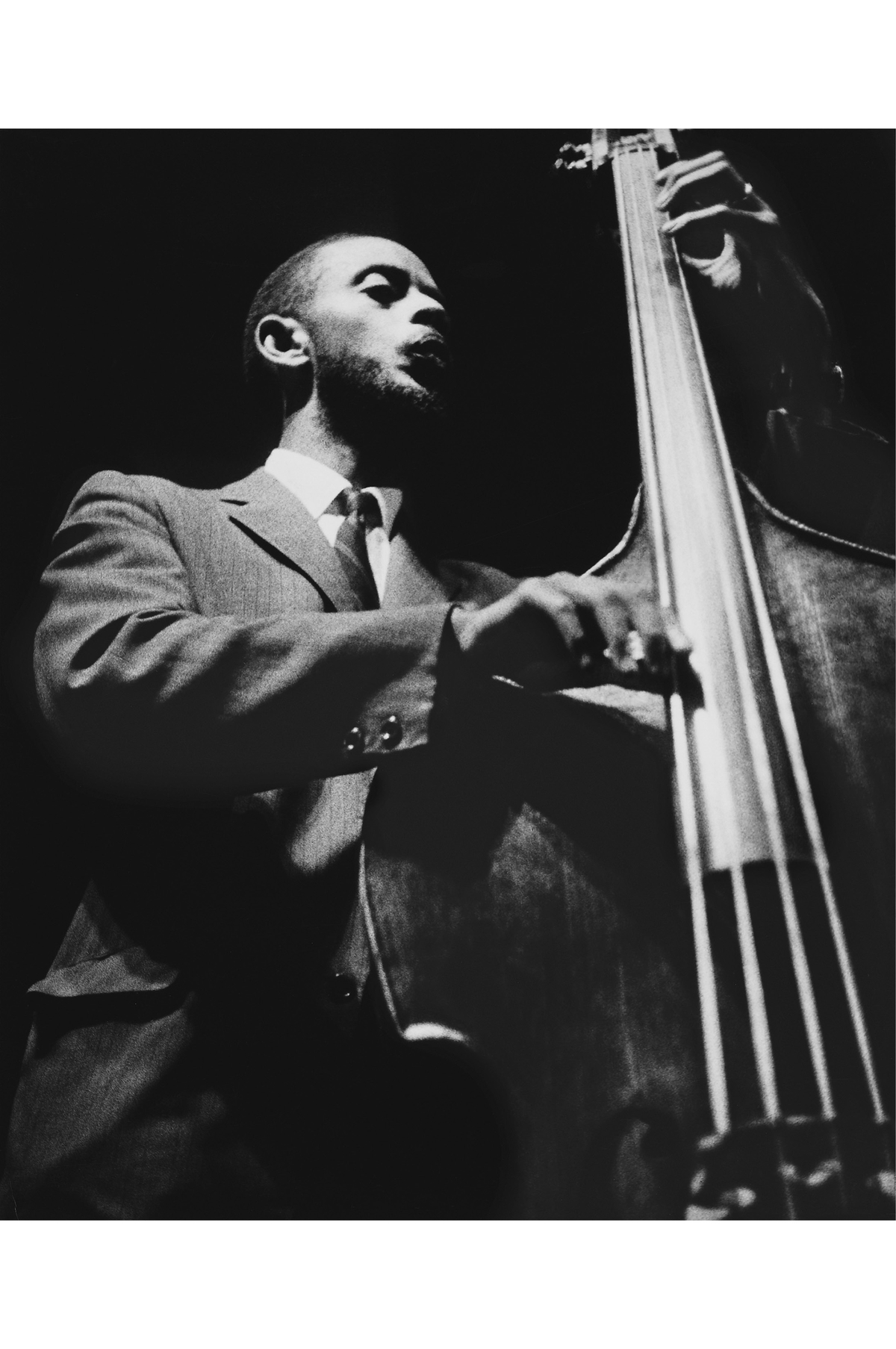
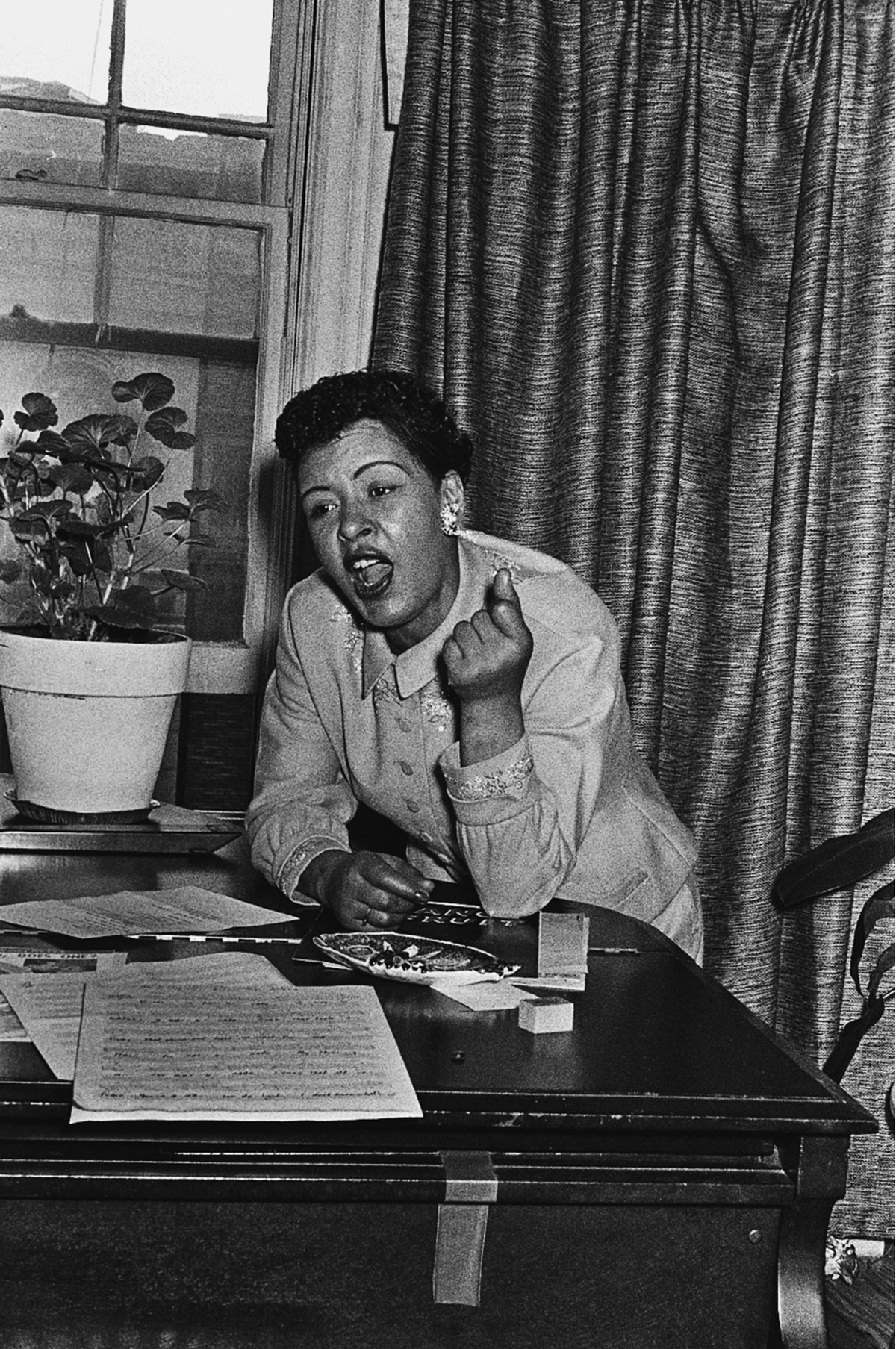
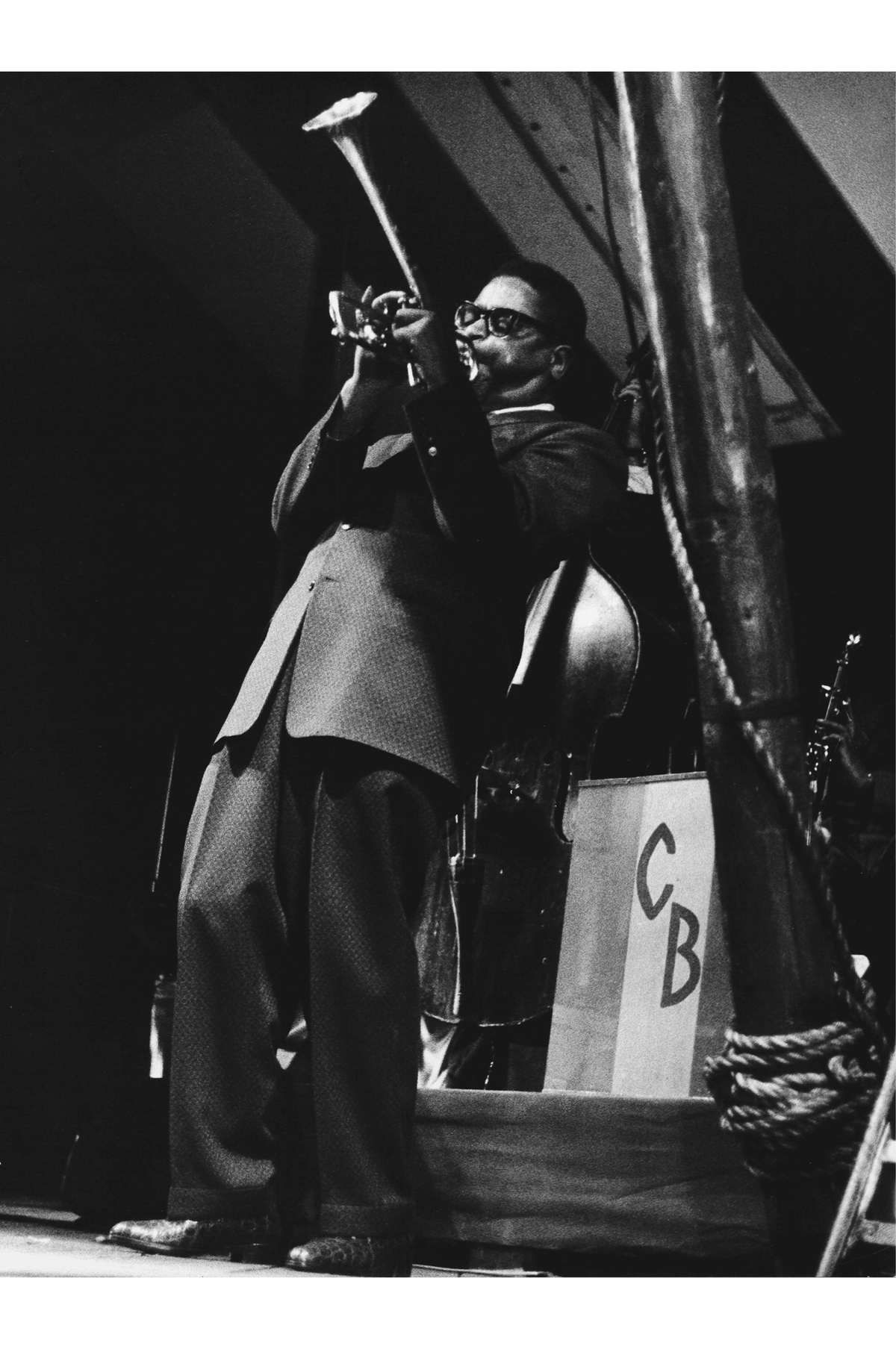
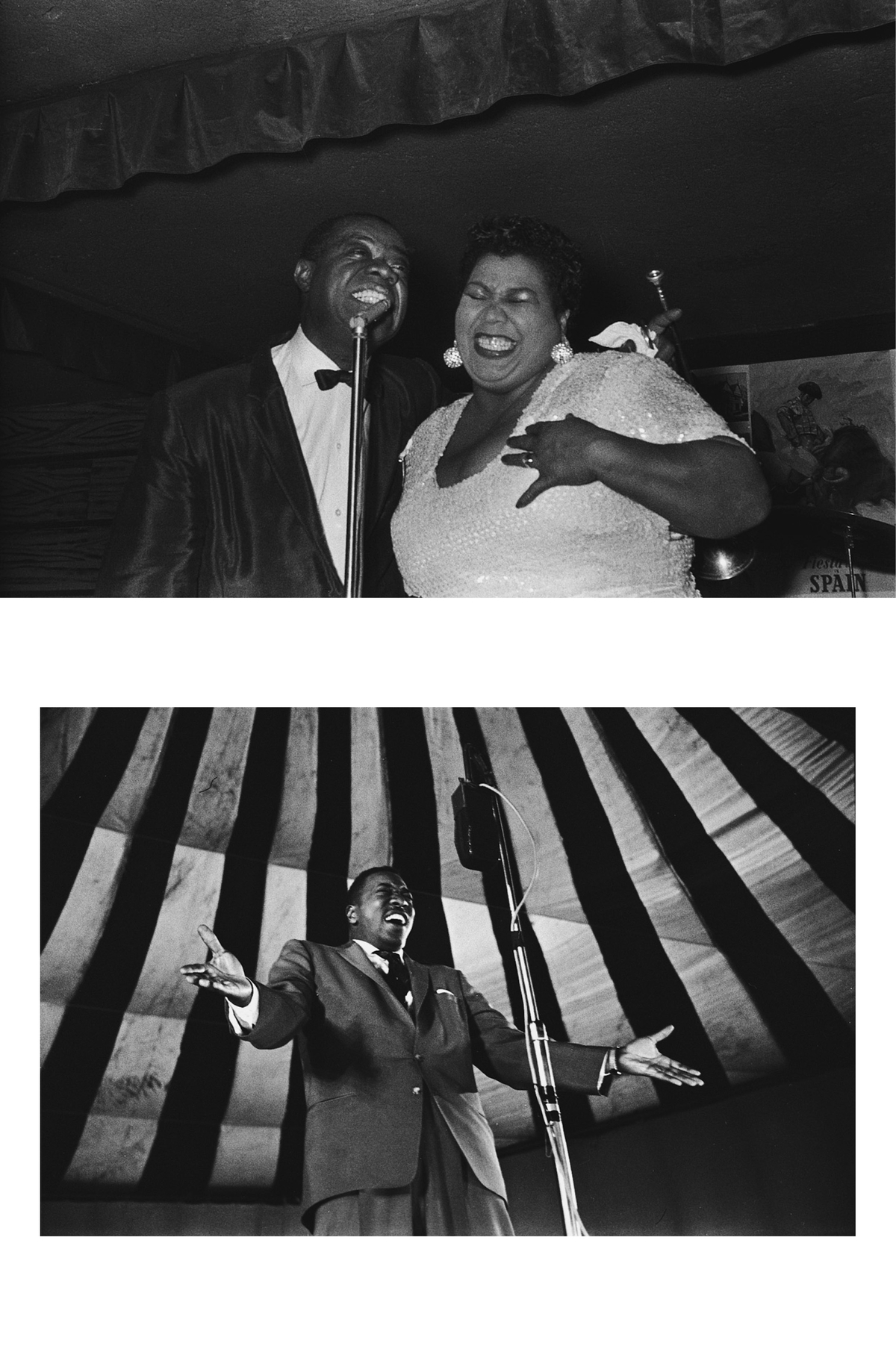
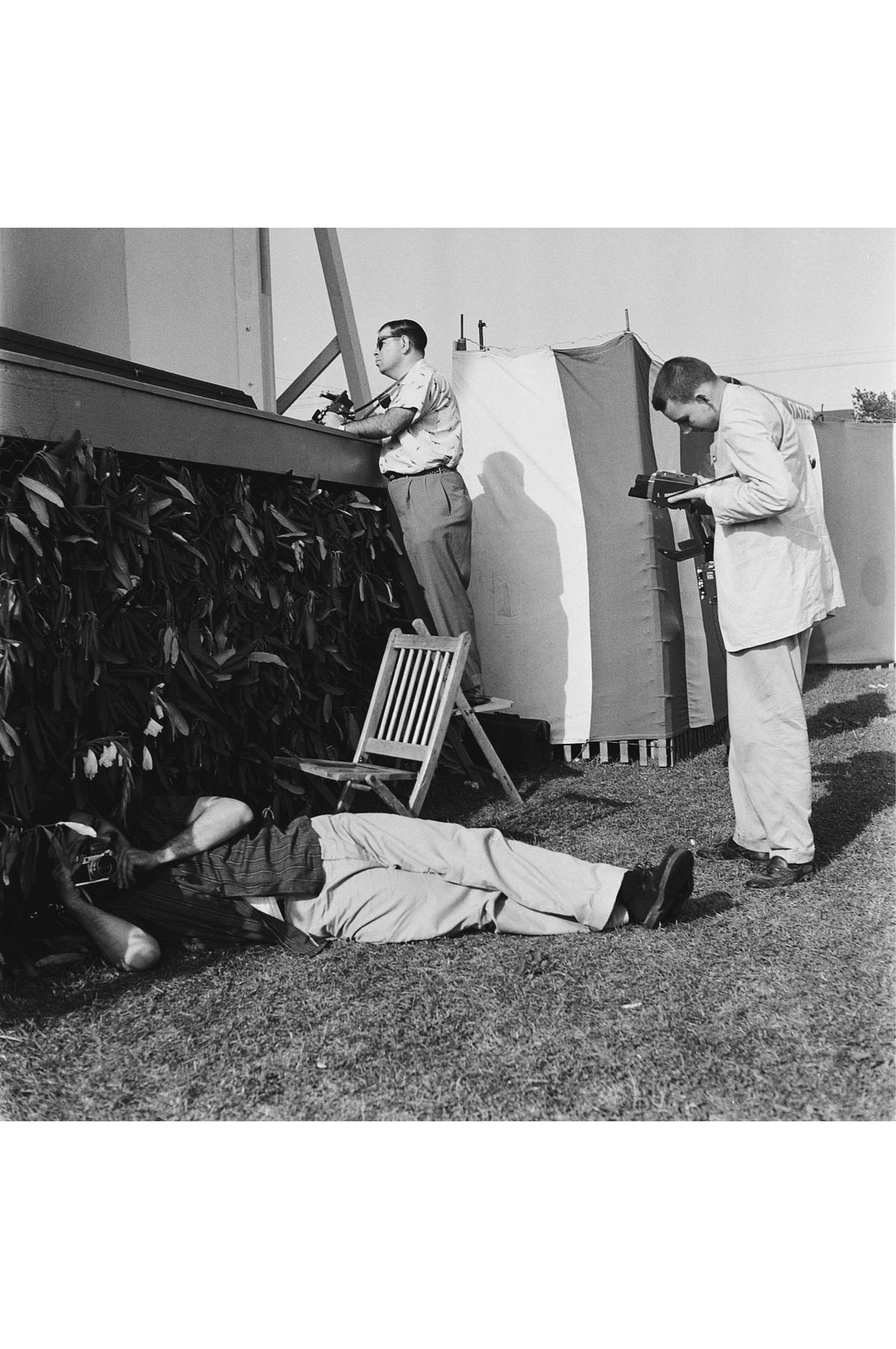
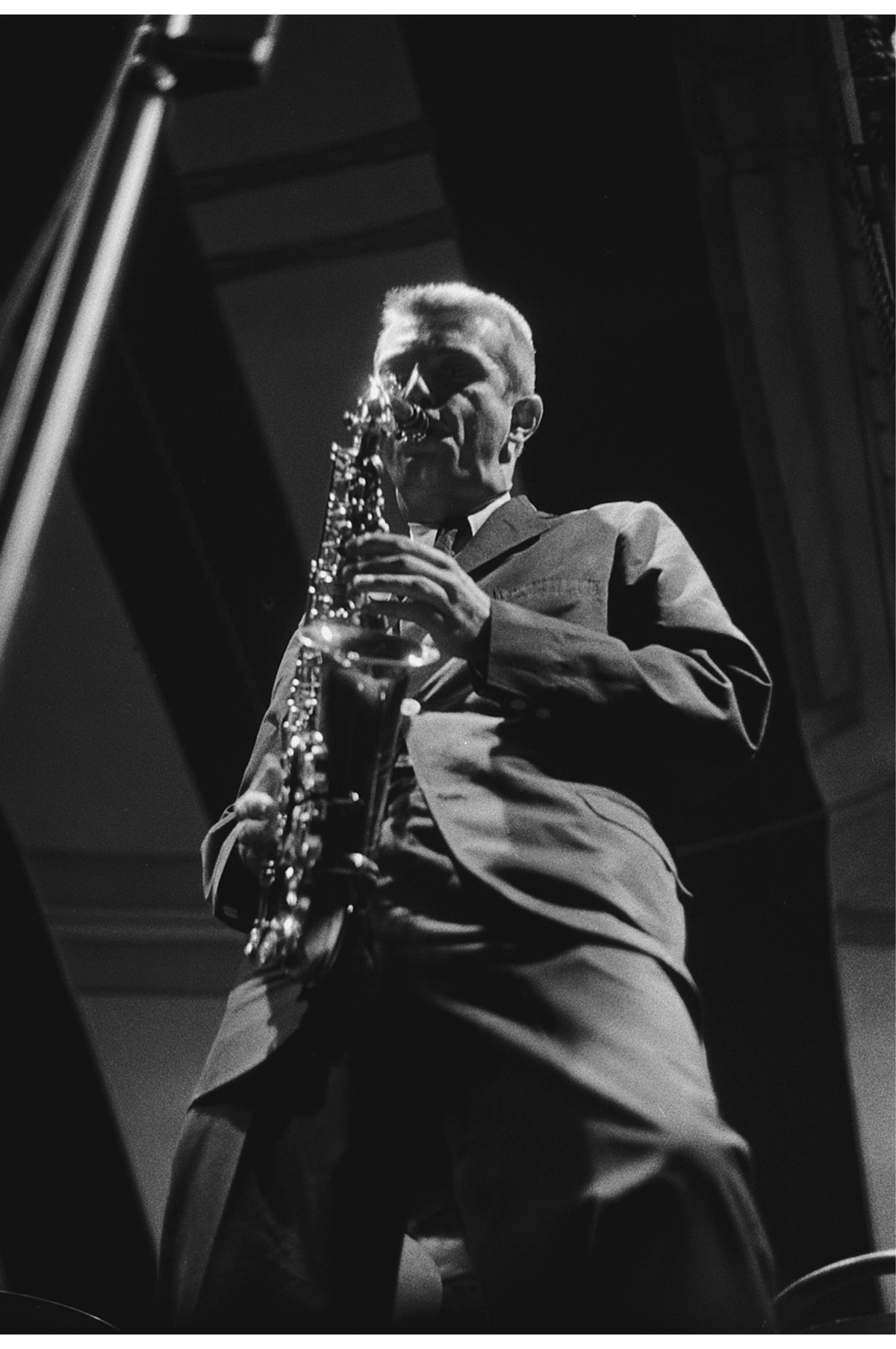
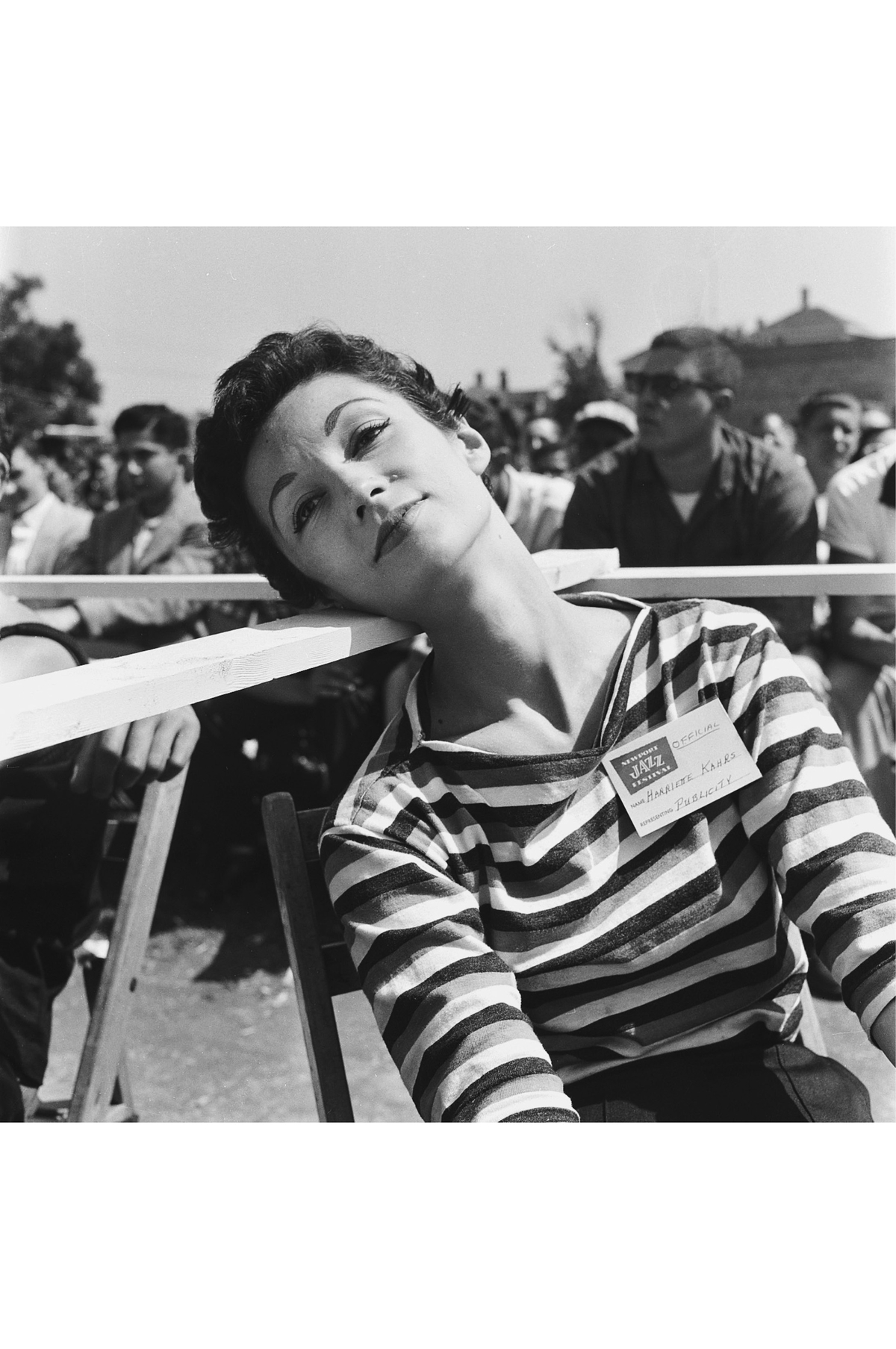
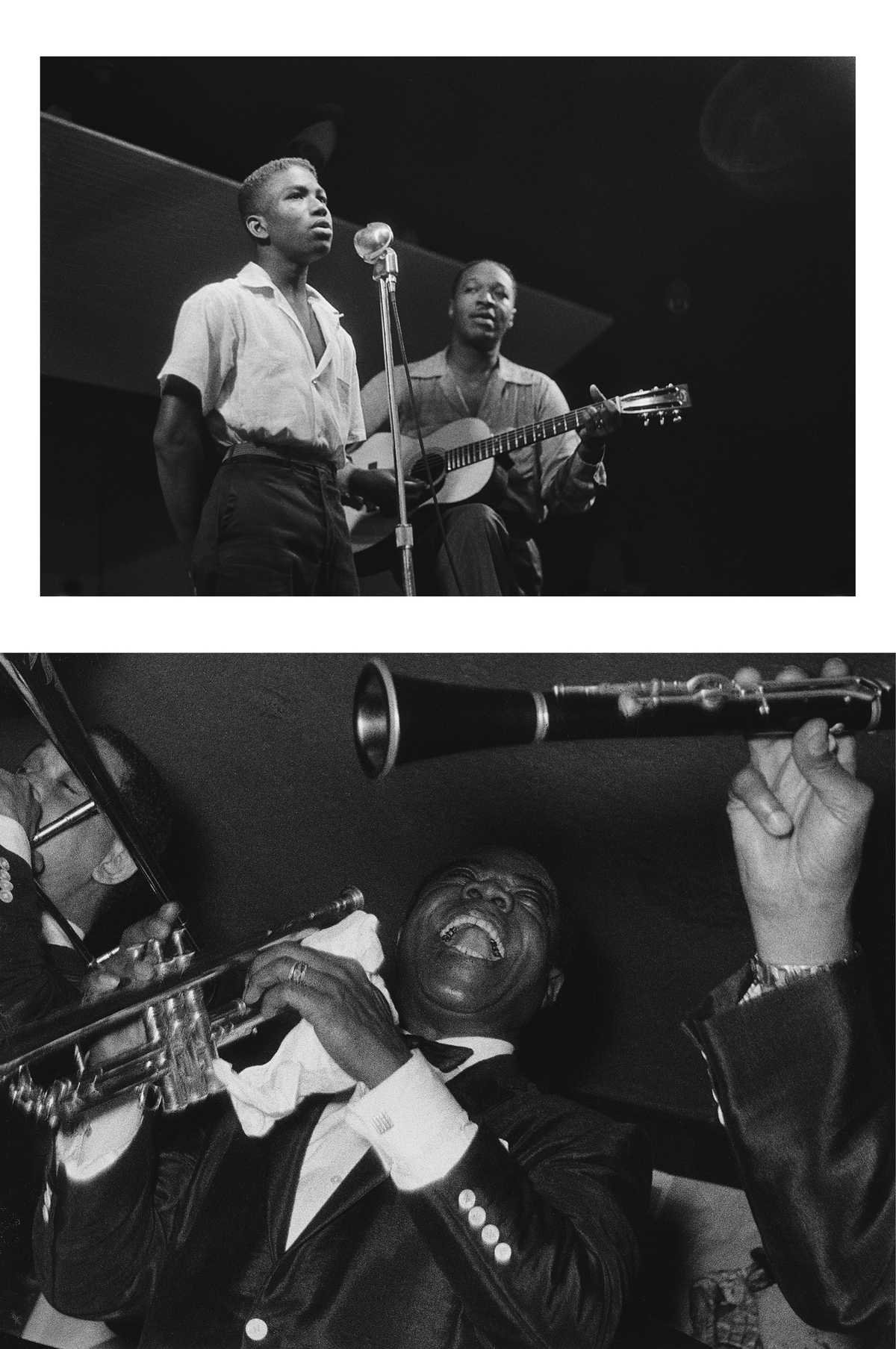
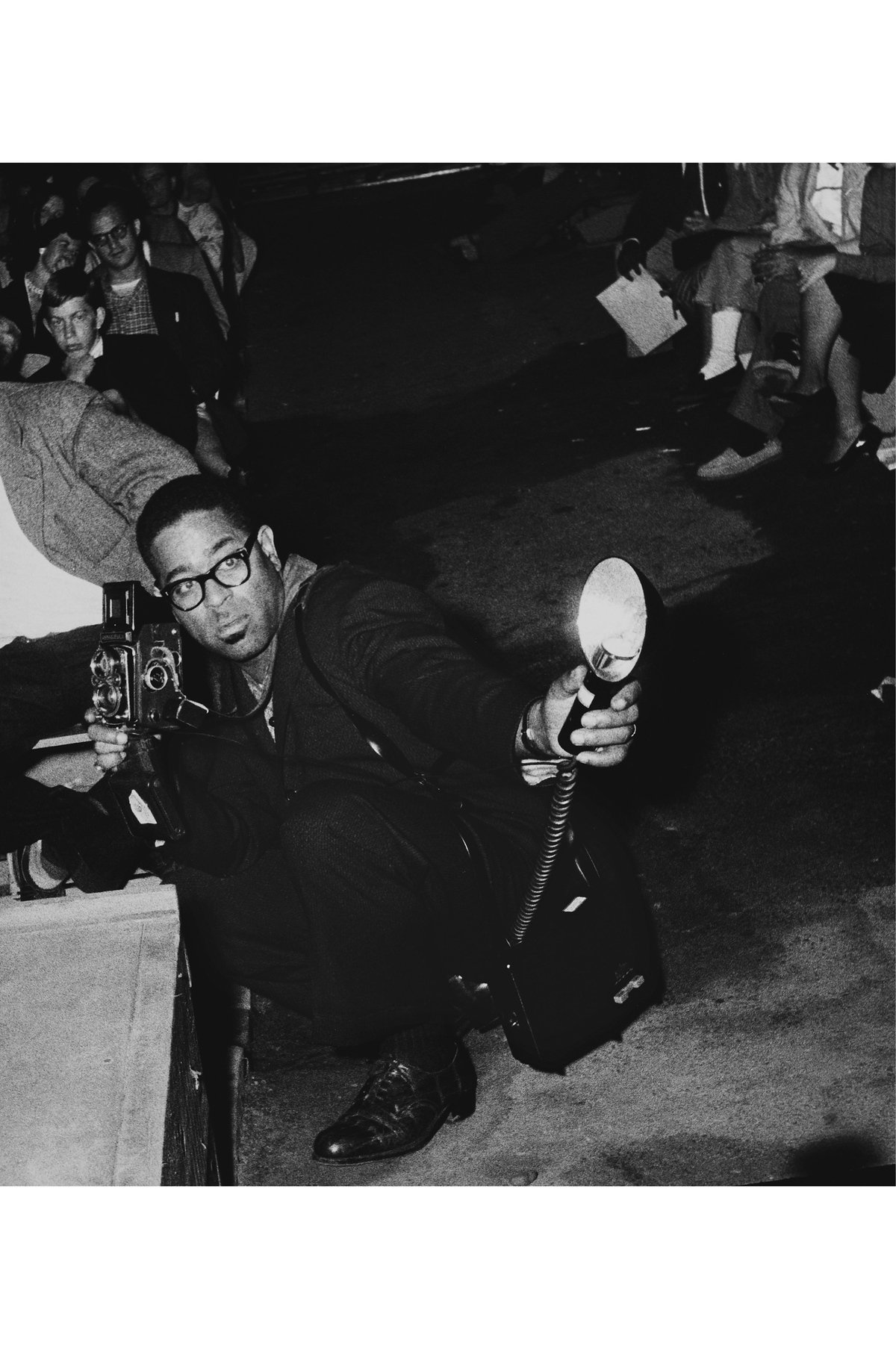
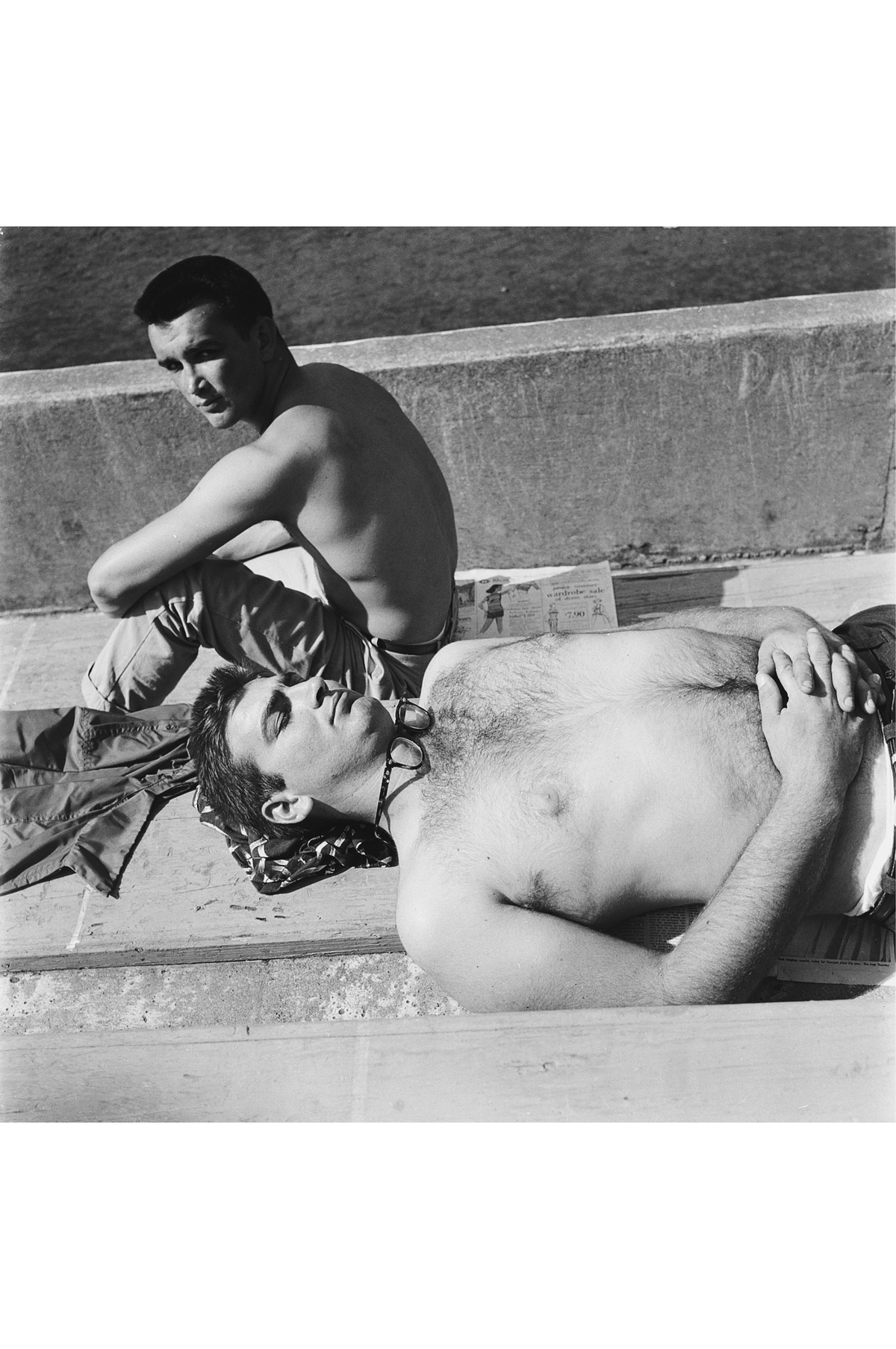
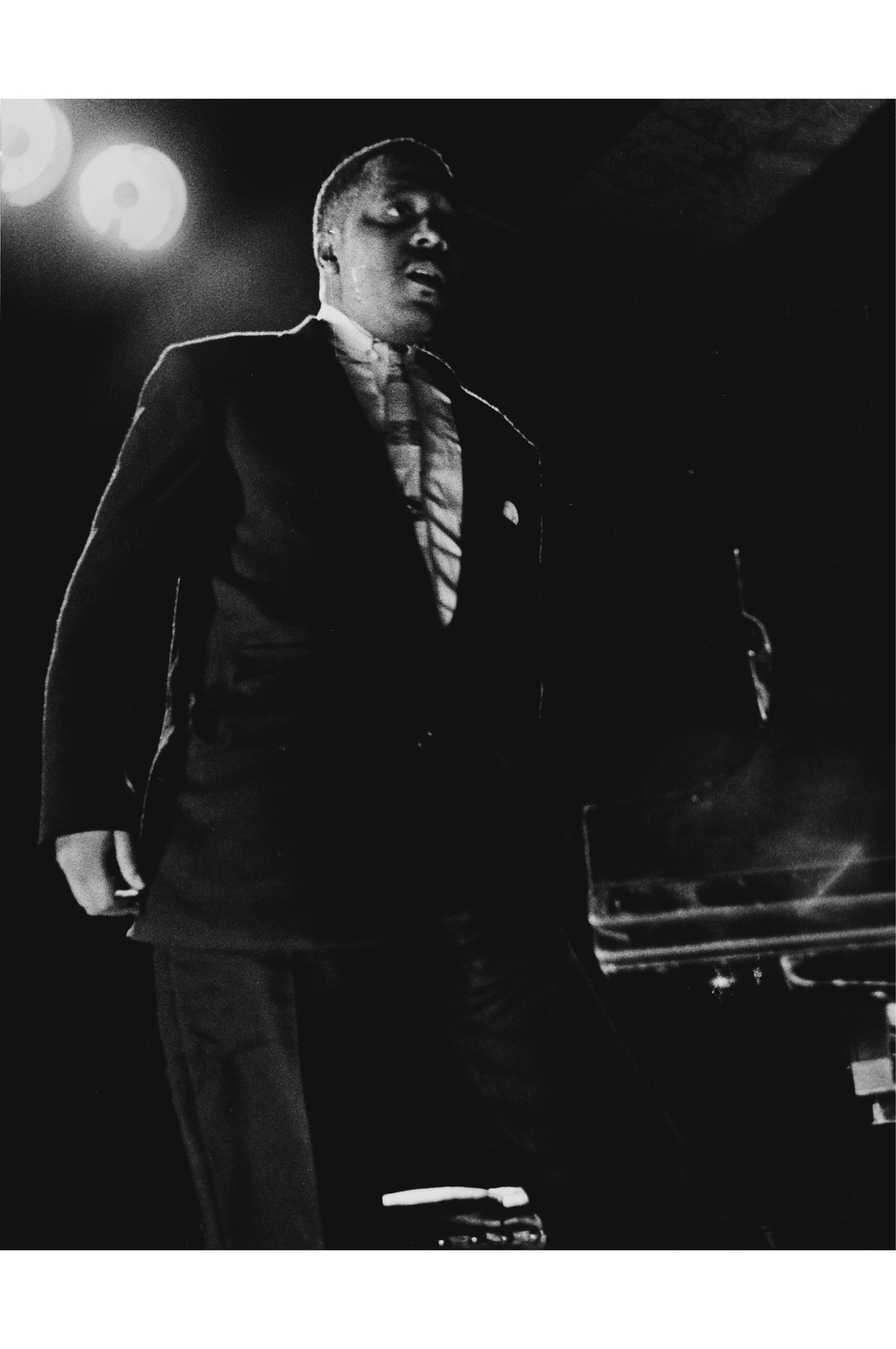
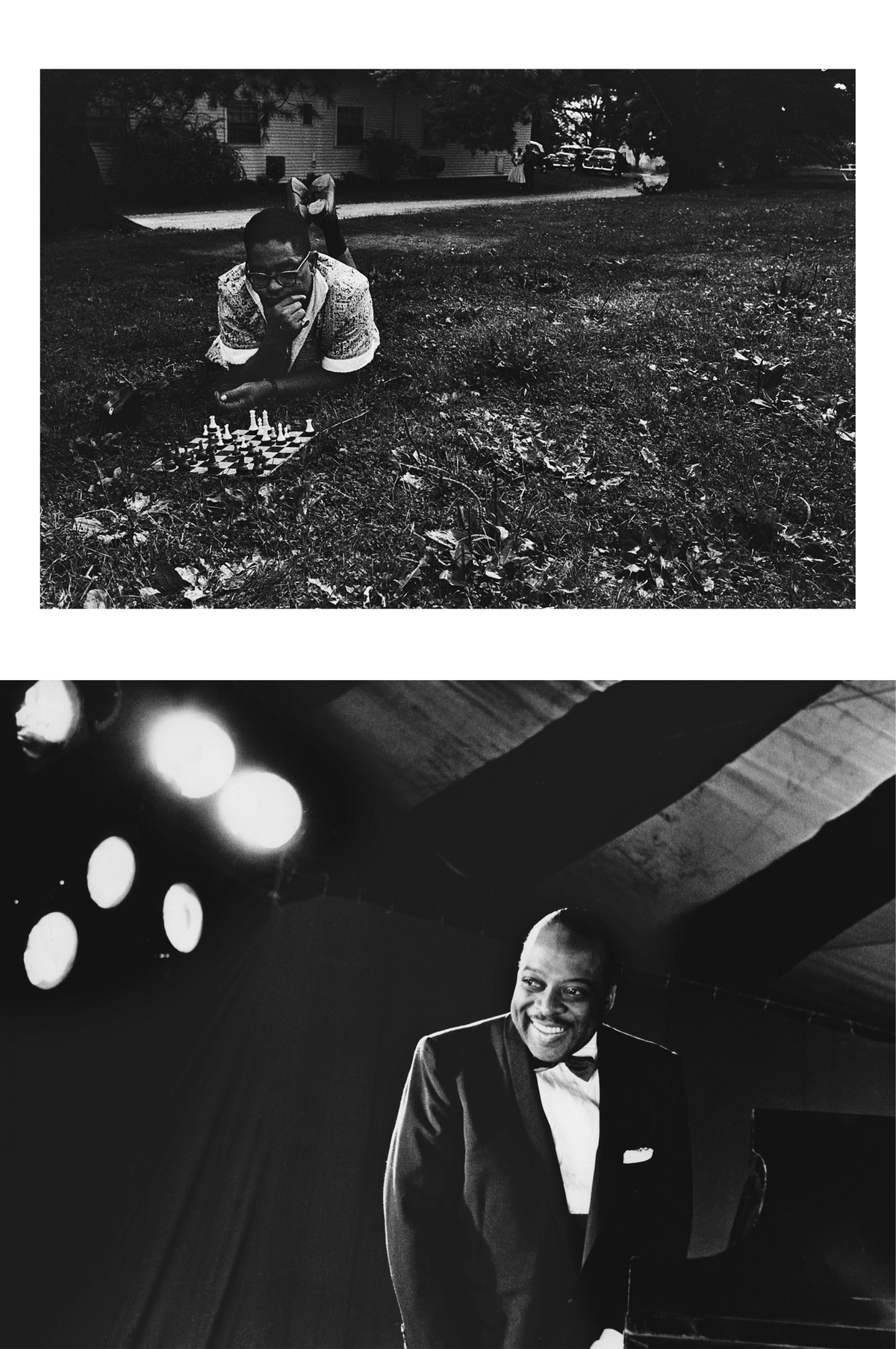
The Austrian-American photographer Lisette Model played it by ear. “I just picked up my camera without any kind of ambition to be good or bad,” she once said of her career’s beginnings. Born in Vienna in 1901, Model had a Catholic mother and Jewish father. In 1937, she married the Jewish painter Evsa Model, and a year later, amid rising anti-Semitism, the couple fled to New York City. But life across the Atlantic wasn’t simple, either. Model would later face McCarthy-era scrutiny for alleged Communist ties. Still, her career blossomed.
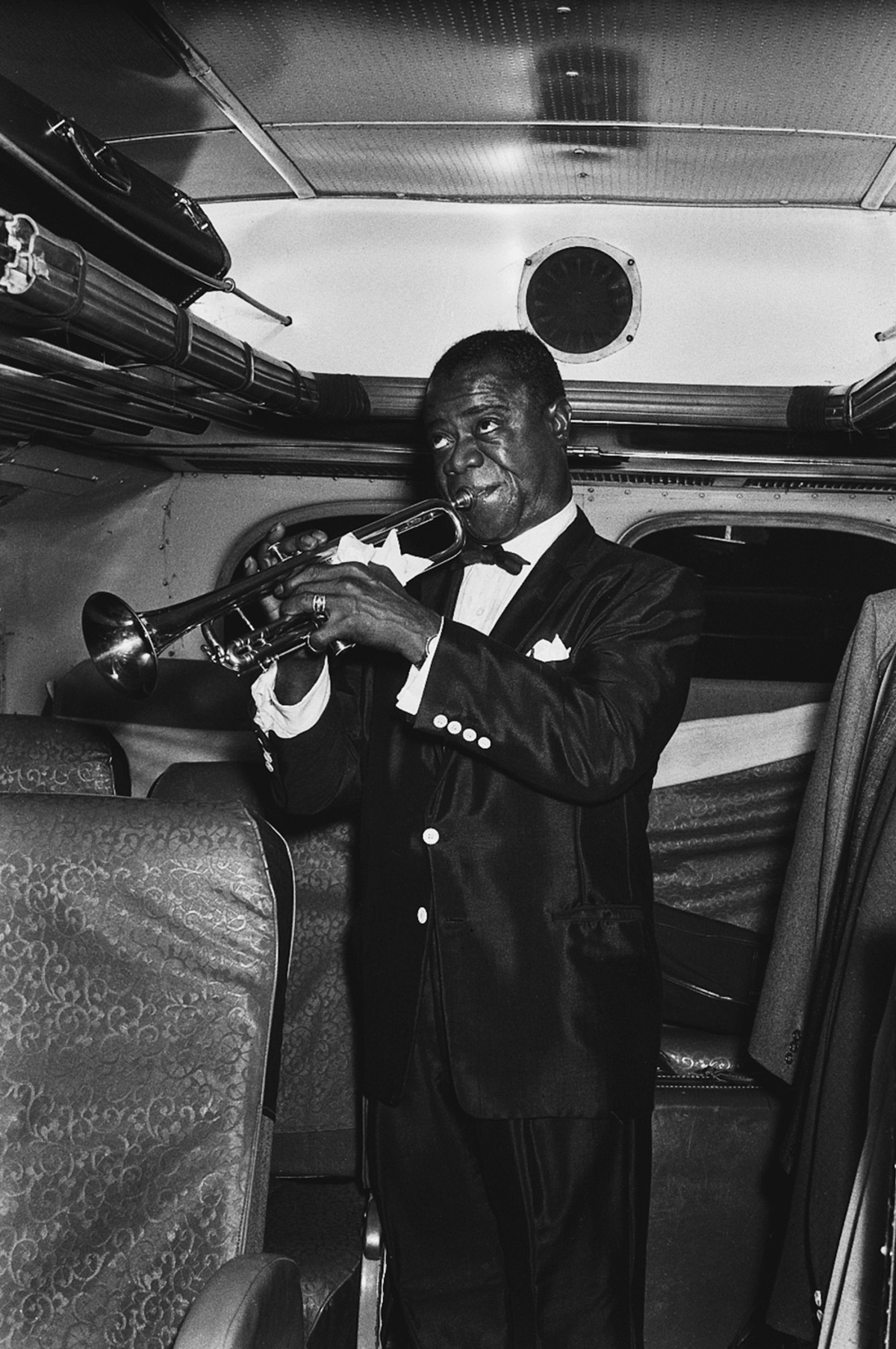
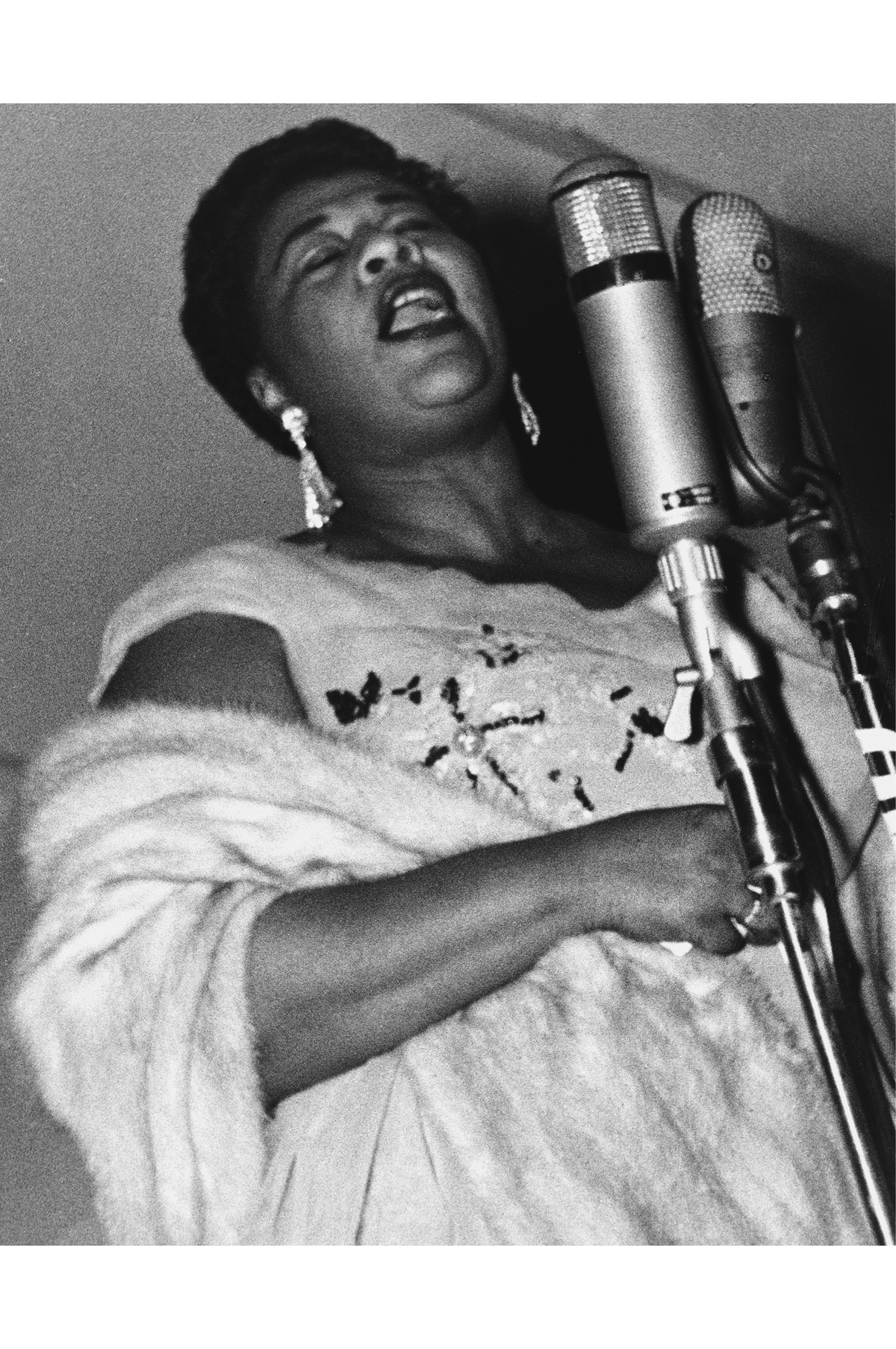
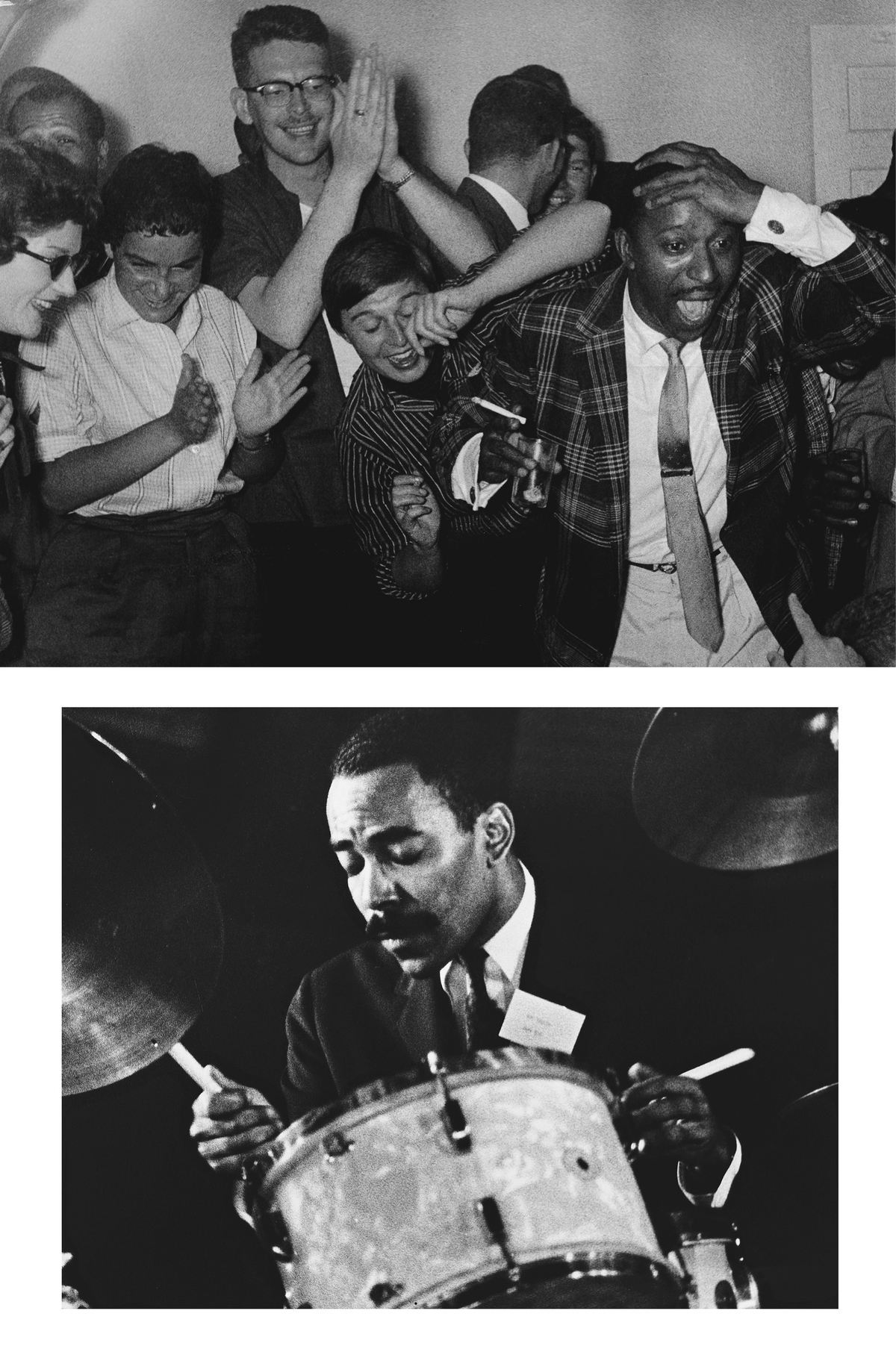
It began with her most recognized image, Coney Island Bather—a portrait of a large woman posed happily on the beach in a football-huddle squat. And it continued through her tenure as a beloved New School professor who taught Larry Fink and Diane Arbus (who claimed she “became a photographer” after three classes with Model), culminating in a highly coveted Guggenheim Fellowship. Through all of this, Model quietly documented the city’s underground jazz scene. Did we mention she played it by ear?