
Dinner-party math is not real math. It’s the more glamorous cousin: imprecise, intuitive, and based on the quiet understanding that most social rituals improve when standards are high and expectations are low.
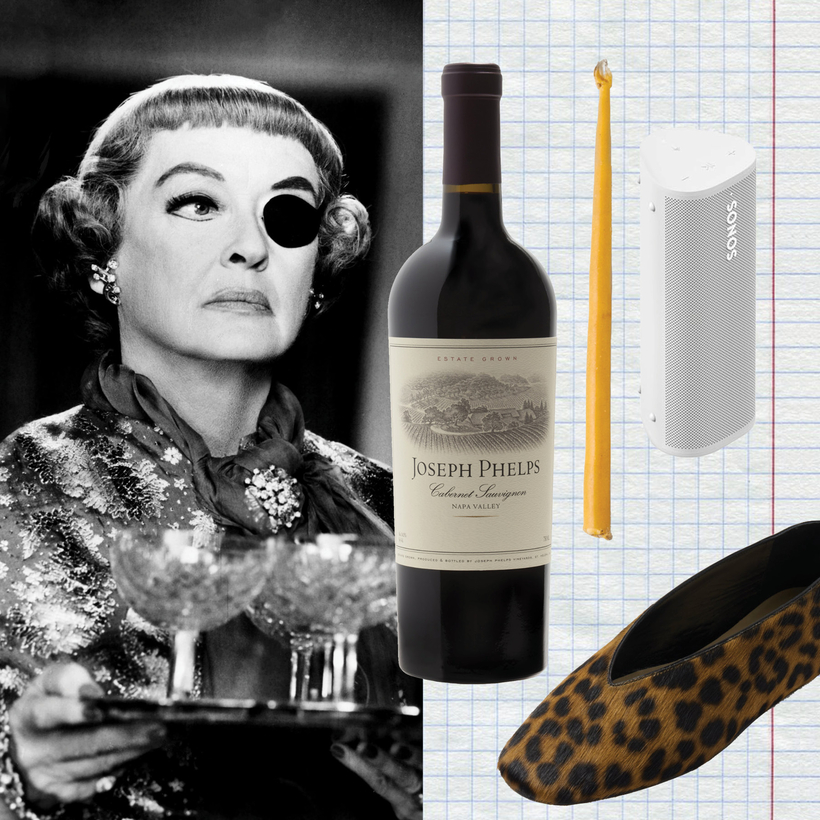
Begin with the constant: three candles for every six guests. Not because anyone needs that much illumination, but because the flicker softens the room, the people, and the opinions that inevitably arrive before the appetizers. The first hint of chill in the air makes the candlelight glow warmer. It smooths skin, lowers defenses, and makes the table look more competent than the host feels.
Next, subtract one guest. A no-show is inevitable in December (they cancel with operatic guilt, an ill-timed migraine, a work call that went long, or a vague “I’m not feeling 100 percent”), and while it seems like a problem, in dinner-party math it’s actually a corrective factor: the table runs smoother slightly under capacity, the empty chair a reminder that even the best-laid plans can bend.
Add two self-appointed oenophiles who arrive with a bottle of red they insist is “for the table” then guard it like a Fabergé egg. Your wine score is now higher than expected. Every dinner needs at least one person convinced their expertise is essential.
Begin with the constant: three candles for every six guests.
Add the salad person. They meant to bring something impressive. They arrived instead with a plastic container of leaves and no serving bowl. Every dinner needs this person. They’re a reminder that domestic competence is not a prerequisite for social relevance and that a little humility never hurts a table.
All of this—the math of it—is why hosting feels daunting in the hours before anyone arrives. You worry the chicken won’t brown, the playlist won’t land, or the seating arrangement will resurrect an interpersonal incident from 2017. You look at the clock, then at yourself, and consider the merits of canceling your own dinner party.
And then someone rings the bell, and everything relaxes. The kitchen becomes a corridor of unsolicited help. Someone pours a drink with the enthusiasm of a maître d’ who recently inherited an estate.The room warms, the table hums, you remember why you didn’t cancel. Conversations begin in clusters, merge, split, and eventually settle into a rhythm that makes you forget that half your guests didn’t know one another two hours earlier.
This is where wardrobe enters the equation. A dinner-party outfit should telegraph three things: that you tried, that you didn’t try too hard, and that you can bend down to a low oven rack without structural collapse. The right outfit is social WD-40. It’s one of the constants that ensures the rest of the evening’s variables don’t derail the results.
Your variables are simple: trousers with backbone, a knit that won’t panic near the stove, a jacket or cardigan with enough shape to pretend it’s tailoring, shoes that forgive standing. Nothing complicated, nothing squeaky, nothing likely to come undone at the exact moment someone asks you to carve something.
A dinner-party outfit should telegraph three things: that you tried, that you didn’t try too hard, and that you can bend down to a low oven rack without structural collapse.
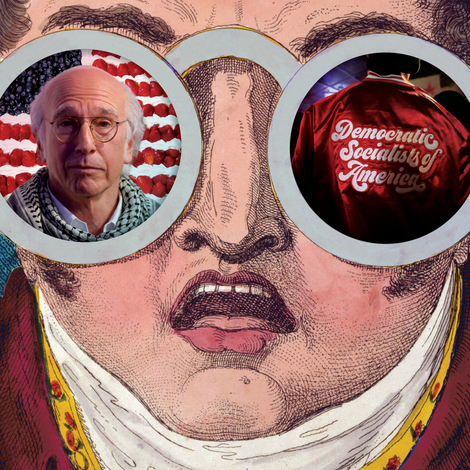
From someone who spends entirely too much time at dinner parties, full disclosure: I’ve noticed that no modern table is quite complete without a little conversational ballast. A casually mentioned article functions like a variable, elevating the room, smoothing tensions, and boosting social cohesion without anyone realizing they’ve been measured. For example, something from Air Mail can do wonders. One offhand line—“Did you see that piece about R.F.K. Jr.’s falconry habit?”—and suddenly the room feels smarter, the jokes land better, and someone always perks up a little. It’s the contemporary equivalent of having read the right novel: effortlessly clever, vaguely mysterious, and entirely satisfying.
By dessert, which someone always brings even when explicitly told not to, the equations have settled. The candles have melted into abstract sculpture, the wine is depleted, and someone has slipped into an unplanned confessional. If the mood is right, an impromptu dance party erupts in the living room. The no-show has sent apologetic emojis. The self-appointed wine guardians are quietly pleased. The effort-to-outcome ratio is surprisingly favorable, if you know the right variables to trust.
Which is why, with a few smart constants and an embrace of the inevitable chaotic factors, even the most intimidating dinner party will add up beautifully.
Jennifer Noyes is the Editor and Chief Merchandiser at AIR MAIL’s AIR SUPPLY
