When I first started working on the book that would become Hotel Exile: Paris in the Shadow of War, I never envisaged featuring a hotel. My interest began with the idea of exile, specifically the experiences of a group of prominent German anti-Nazis who were faced with a stark choice when Hitler came to power in February 1933: to remain in Germany and face arrest, imprisonment, or even death, or to flee. At the time, the Russian opposition activist Alexei Navalny was prominent in my mind. Navalny made the extraordinary choice to return to Russia after a poisoning attempt had almost killed him. He did so knowing that he would be imprisoned as soon as he set foot on Russian soil, and that in all likelihood he would be killed. And so it came to pass.
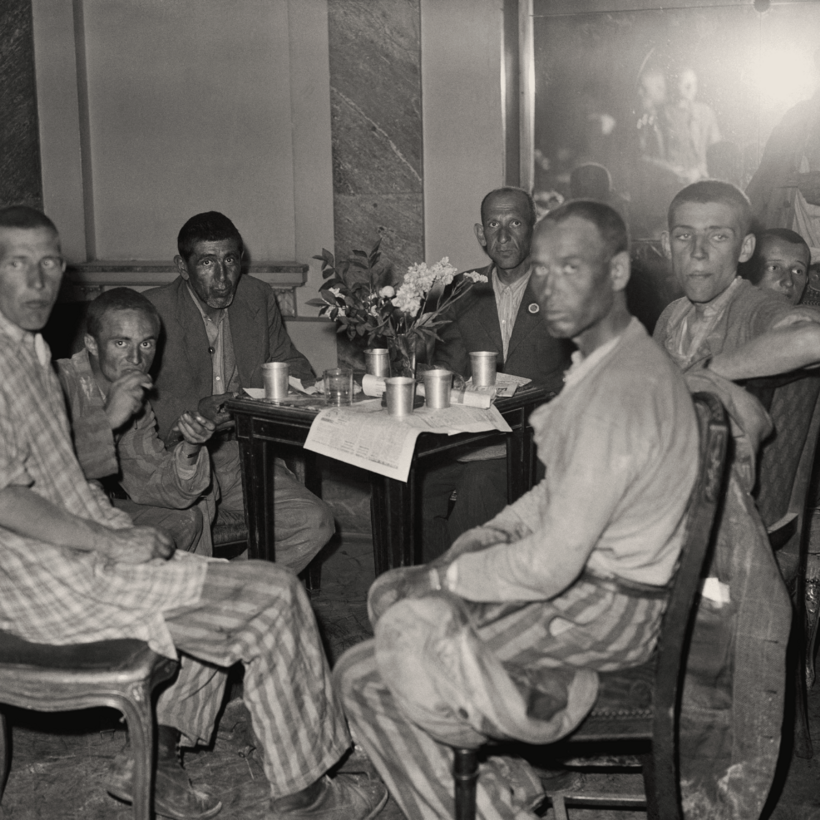
The individuals whose lives I was researching were prominent writers, politicians, journalists, pacifists, scientists—men and women who had publicly opposed the Nazis or fell afoul of their ideology. The majority of them were also Jewish. When they fled to France in 1933, they could not know that they would spend the next seven years in exile there, nor that they would be forced to flee a second time as the German Army advanced into the country.