
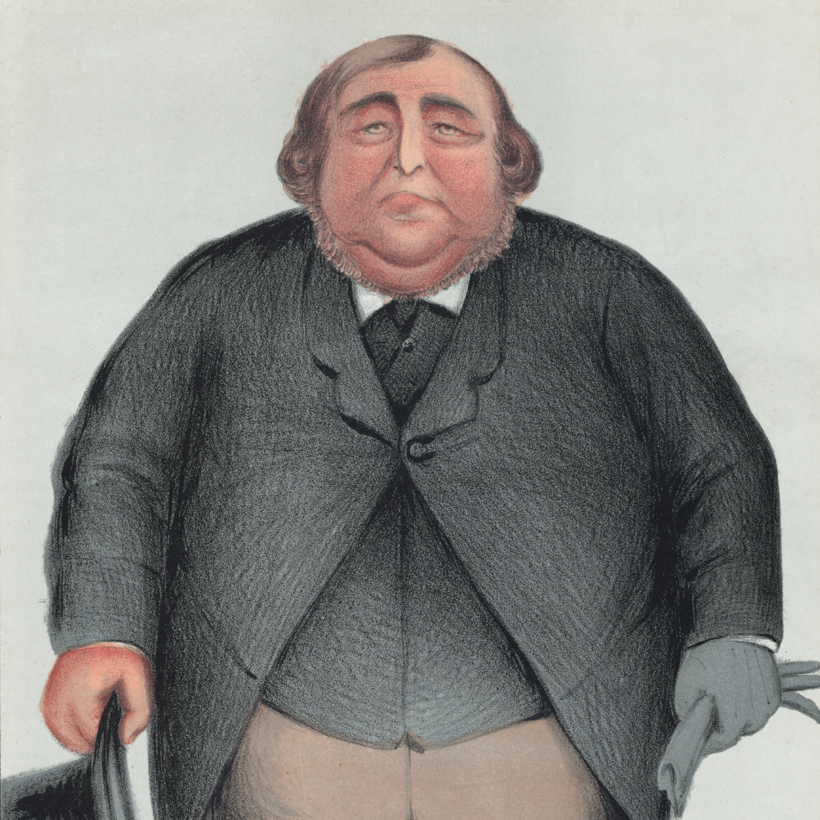
In Zadie Smith’s new novel, her first in seven years, two characters are discussing George Eliot’s Middlemarch. “Couldn’t get through volume one,” one character says, “and aren’t there seven more to come?” Which made me feel better about my ambivalence towards The Fraud, which is set largely in the 1870s and, like Middlemarch, comes in eight parts.
This may be Smith’s first historical novel but it is still set in her beloved Kilburn in northwest London. Most of the story is filtered through the view of Eliza Touchet, a middle-aged Scotswoman who acts as housekeeper to her cousin, the novelist William Harrison Ainsworth. Eliza and William were both real people: William was a contemporary of Dickens who outlived him and even briefly outsold him, but at the time of the story his reputation is mud. He believes himself to be “the English Victor Hugo”, but for others his work is “dull, except when it is revolting.” (“‘Zounds!’ he mentally ejaculated,” runs a typical line.)