
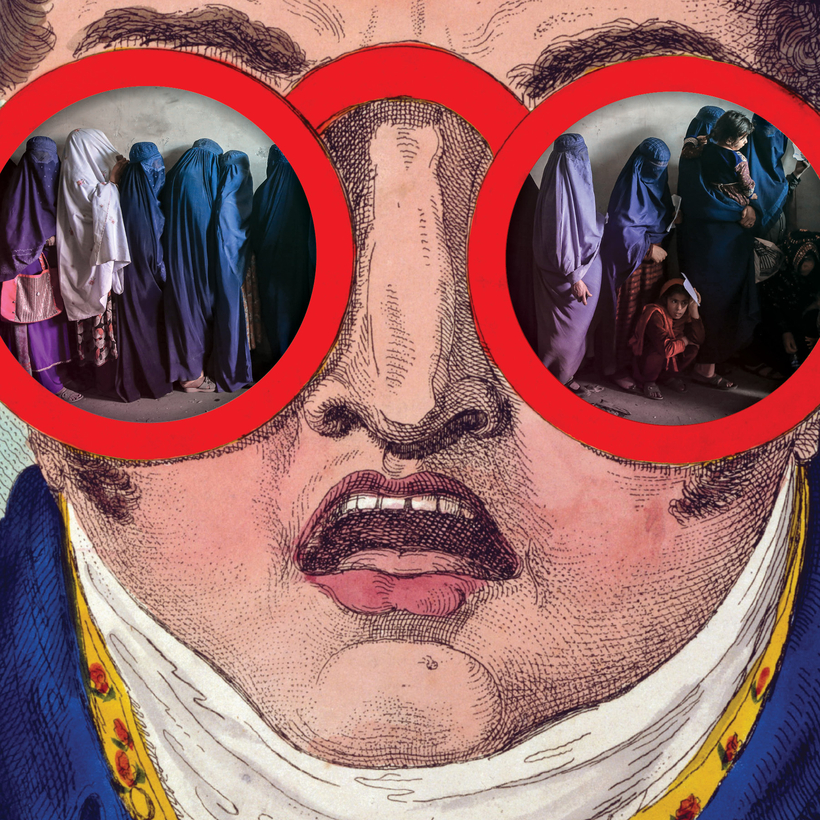

At this year’s meeting of the General Assembly in the U.N.’s splendid Turtle Bay headquarters, there was a lot of hand-wringing over what’s going on in Afghanistan. The country was taken over two years ago by the revanchist Taliban, following the U.S. surrender brokered by Donald Trump and the Saigon-style mess of an evacuation under Joe Biden. Since then, Afghanistan has become a paradise for terrorists, extremists, and drug traffickers; hell for almost everyone else. Washington’s focus has moved on to Ukraine and now Gaza, but Afghanistan is a black hole for U.S. foreign policy.
The country is nearing implosion amid concerns of conflict between rival Taliban factions that have been arming against each other, in the quest for power and wealth, almost since they took control. Food fills the markets, but few people have the cash to buy it, due to U.S. sanctions on the banks and the Taliban’s inability to create jobs. The Taliban control the $55-billion-a-year global heroin business and are moving into methamphetamines, which are much more profitable. Farmers who have for decades produced poppies are now swelling the ranks of the jobless, the hungry, and the thousands of people left homeless by earthquakes.