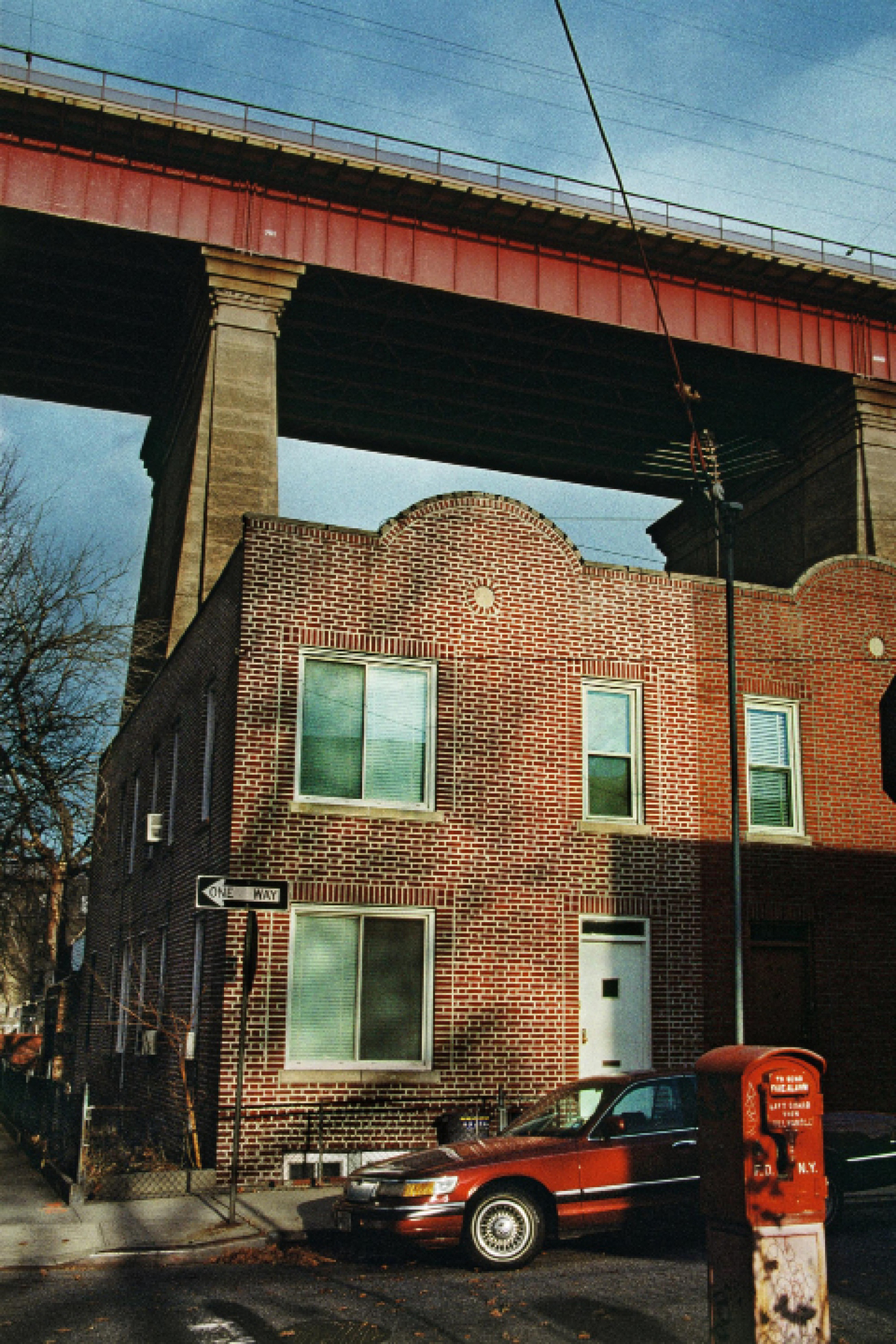
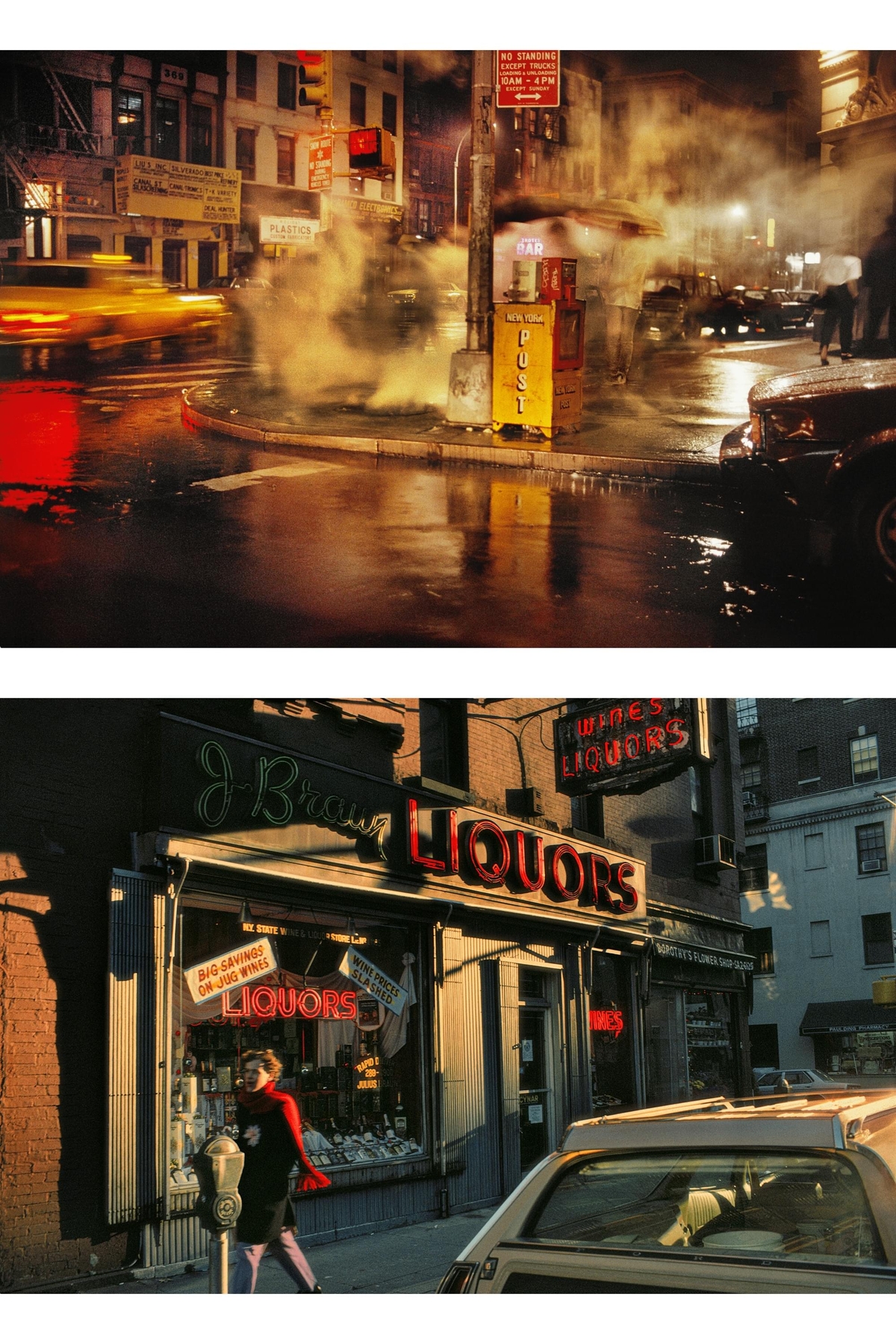
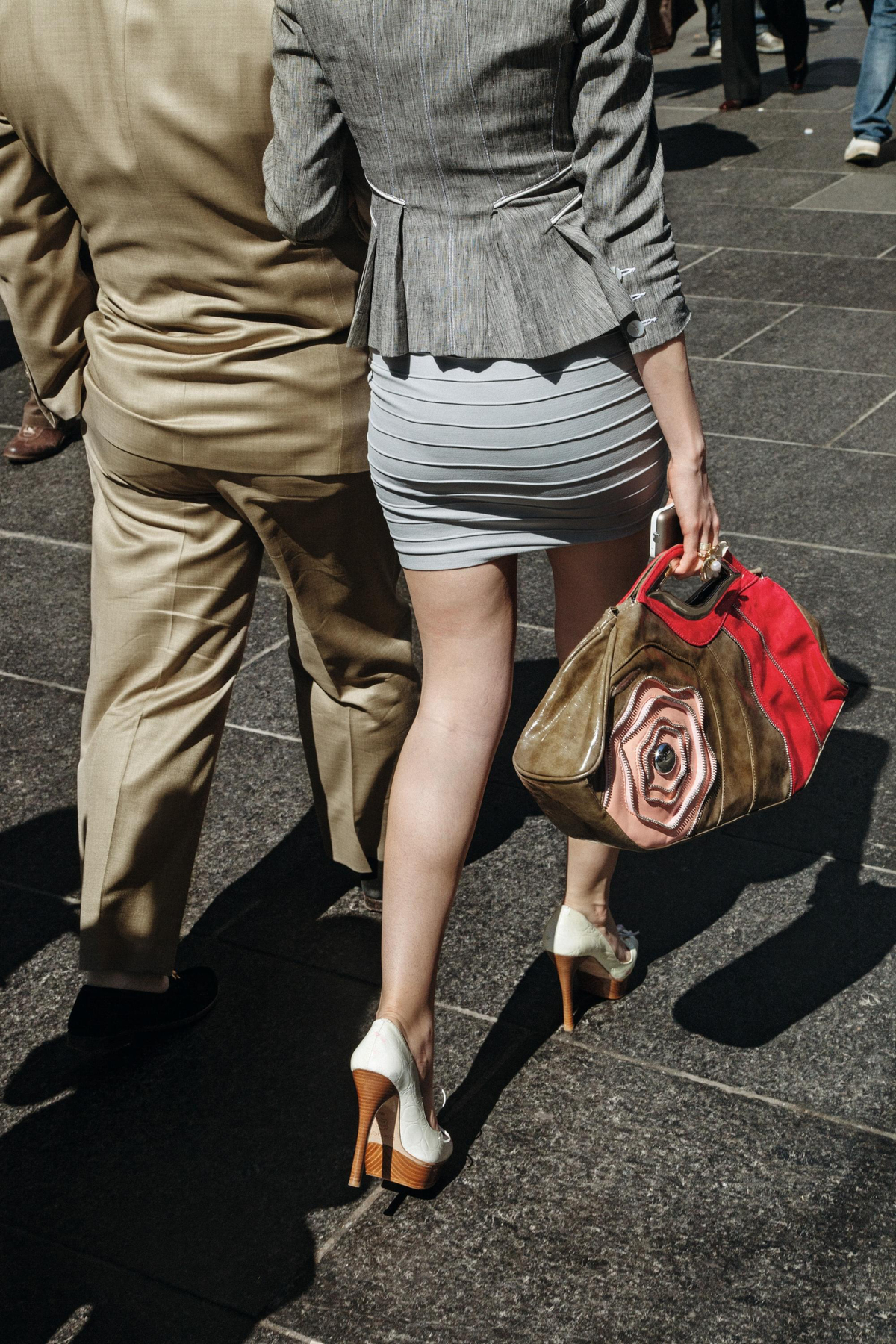
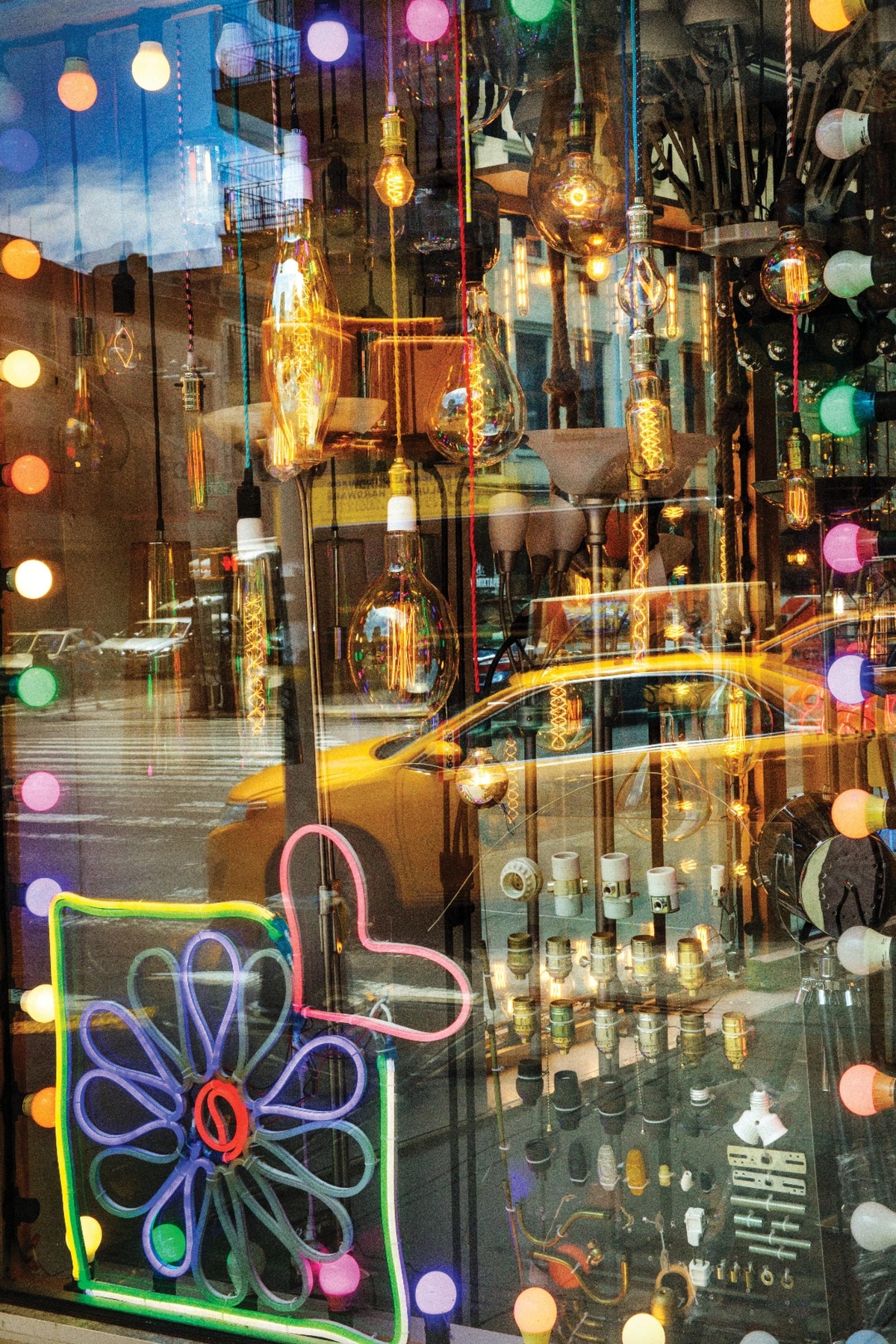
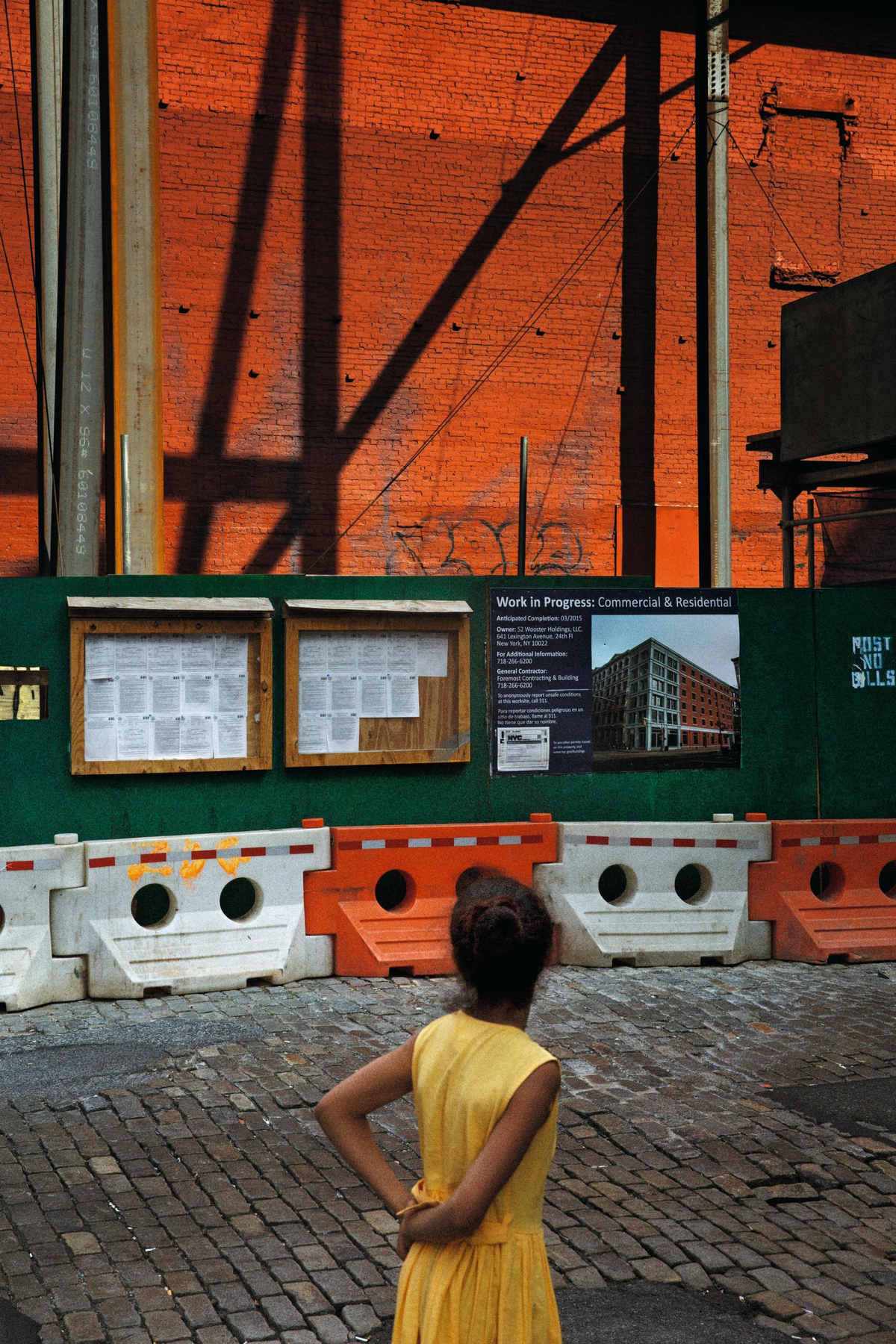
Up until 1968, the photographer Harry Gruyaert, born in Antwerp in 1941, saw the world in shades of black and white. “I didn’t see any color,” he has said. “It was a very dull place.” Why? Because in Europe monochrome was king. But during his first sojourn to New York, in that year of 1968, Gruyaert lived in a SoHo artists’ co-op owned by the experimental choreographer Trisha Brown, and was welcomed into the budding Pop-art movement. The style’s visual brio and free-wheeling use of color changed the course of his career.
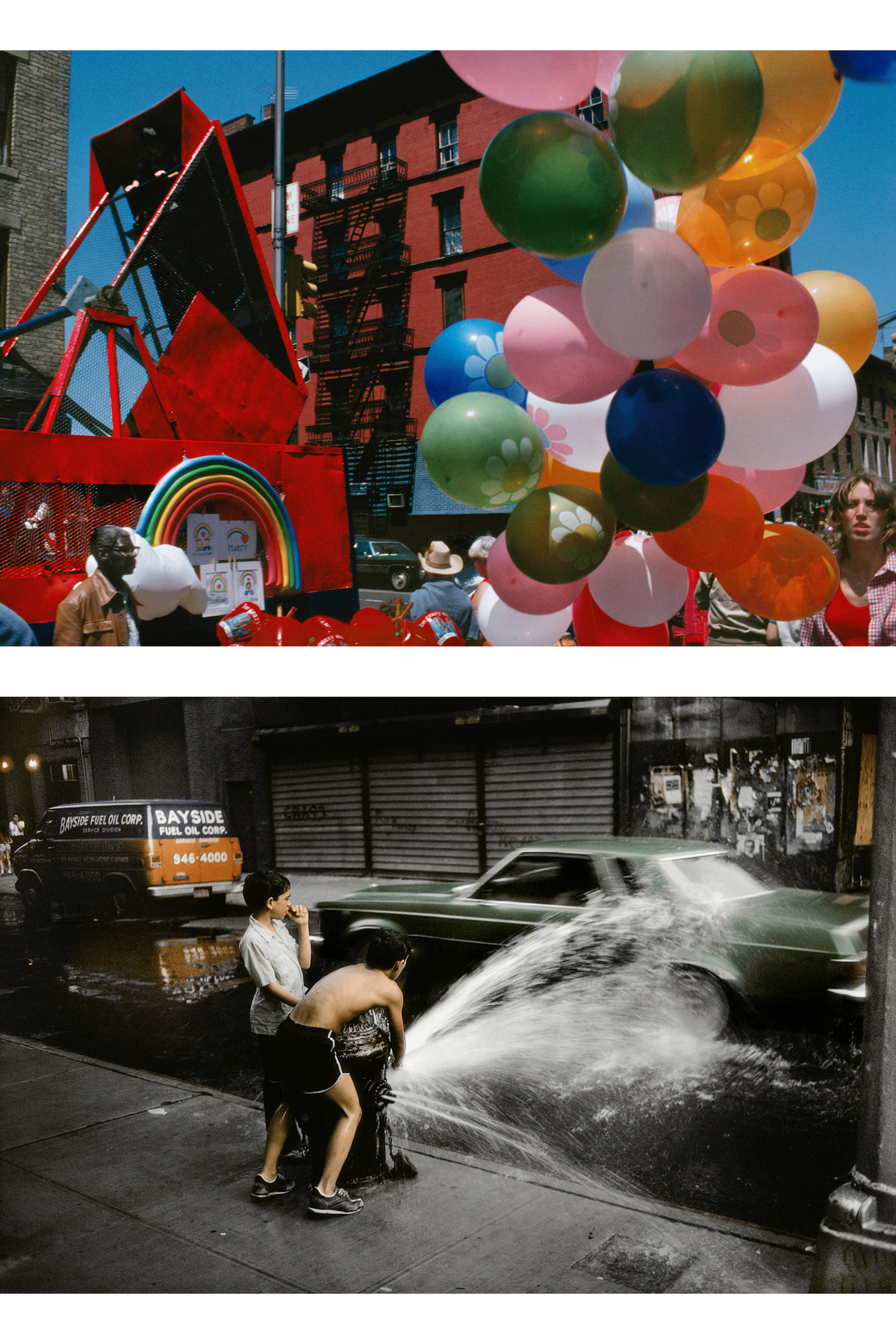
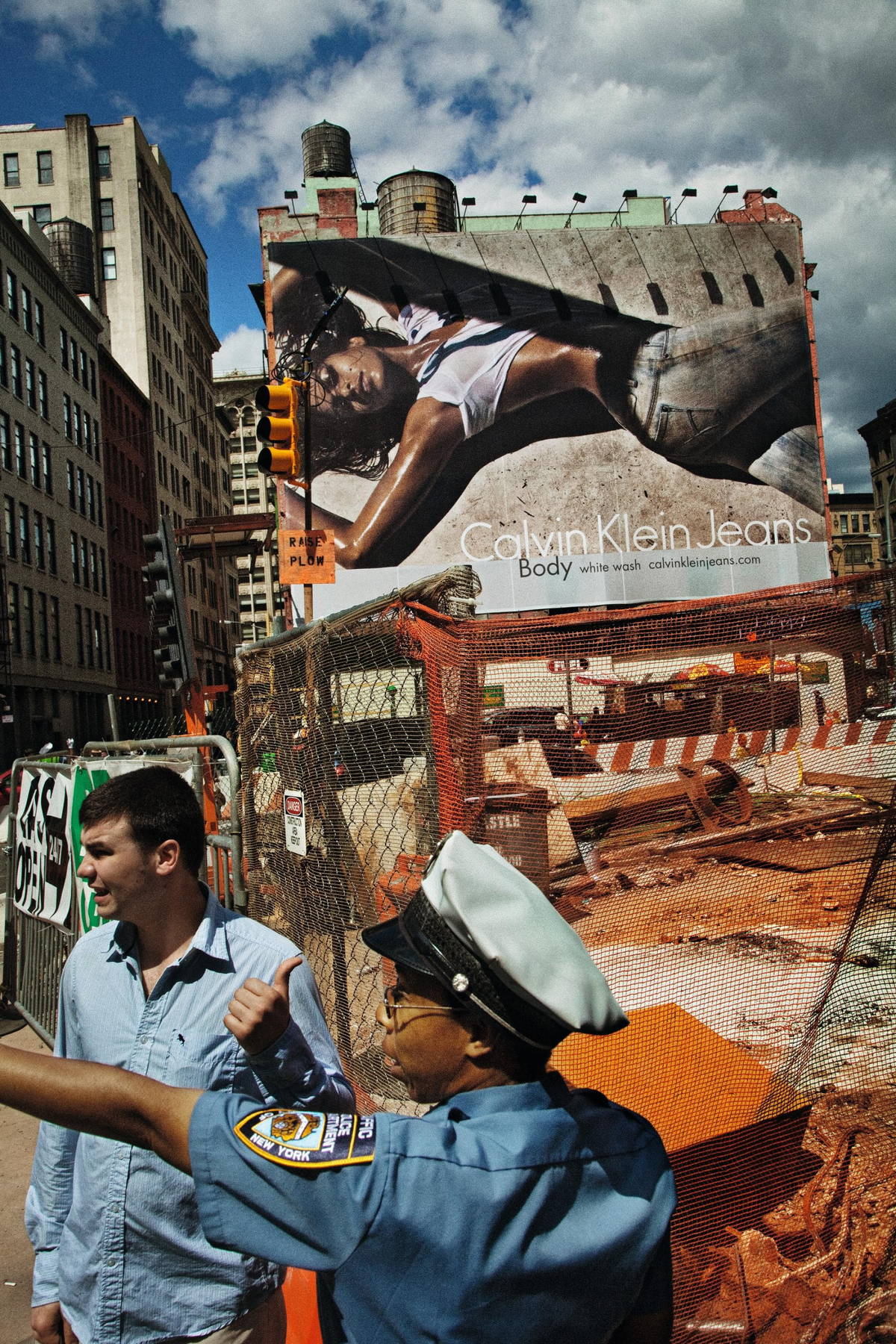
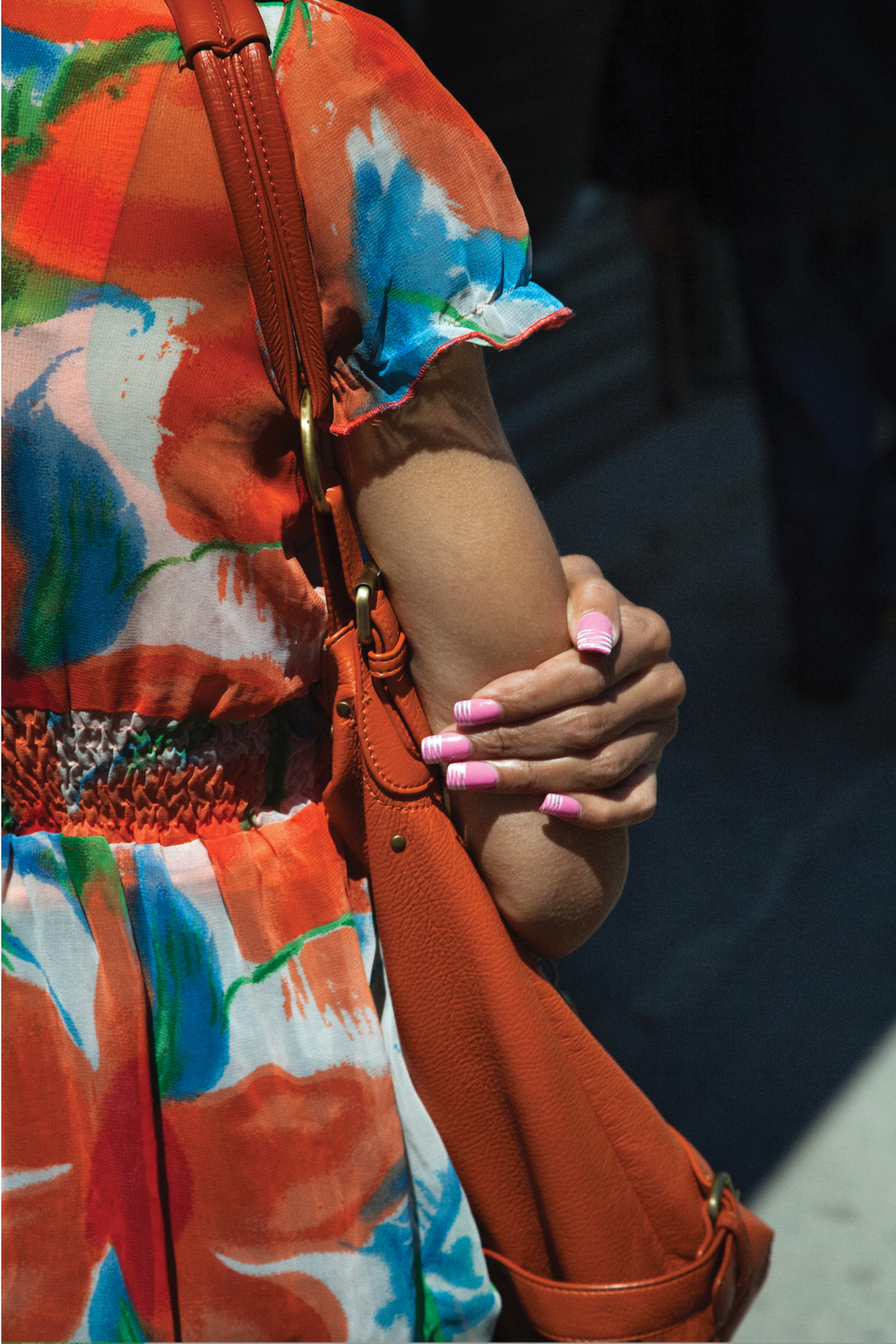
Gruyaert plunged into the grimy, frenetic yet vibrant city, endlessly entranced not just by its flash but by the mundane presence of people: kids splashing around open fire hydrants; commuters crossing Madison Avenue; old women scowling on the bus, clutching their purses. “It was the beauty of a certain banality, a certain vulgarity,” he once said of the unknown figures everywhere around him. Gruyaert grew up in a devout Catholic family, with a father who saw art as a sin. In the streets of New York, Gruyaert found an avenue to explore otherness.