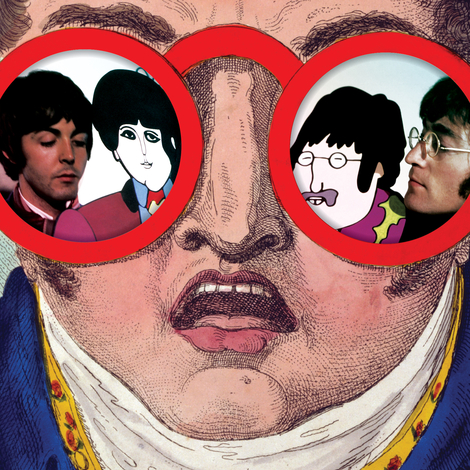
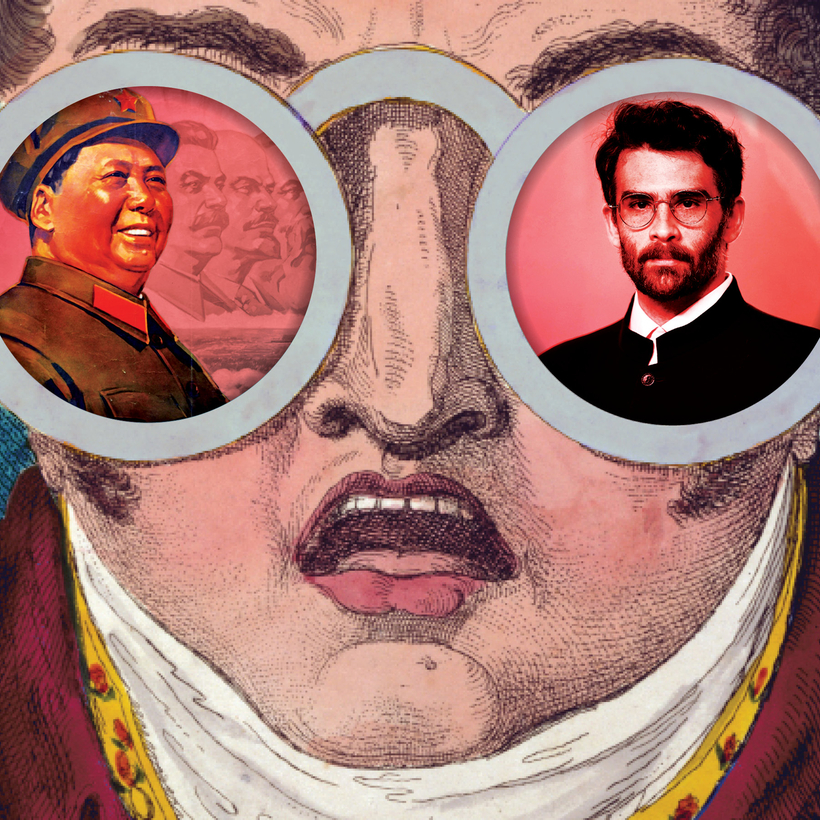

In his final interview, the late Democratic congressman Barney Frank worried that his party could blow the next presidential election by moving too far left. From immigration to transgender issues to policing, Democrats too often allow radical ideas to go unchallenged, he told me, leaving voters with “the impression that we agree with them.” That such a warning should come from a progressive stalwart such as Frank—one of the first openly gay members of Congress—is something that should concern not just partisan Democrats but anyone alarmed by the increasing extremism of the Republican Party.
A leading, if not the primary, factor behind the Democratic Party’s lurch to the left in recent years—and the Republican Party’s swerve to the right—has been the rise of political influencers. Charismatic, telegenic, and social-media-savvy, political influencers can be found across the ideological spectrum, but the most popular tend to cluster on the fringes. The imperative to generate clicks lends itself to immoderation, and as their original provocations come to seem passé, they must generate increasingly extreme content to keep their audience titillated.