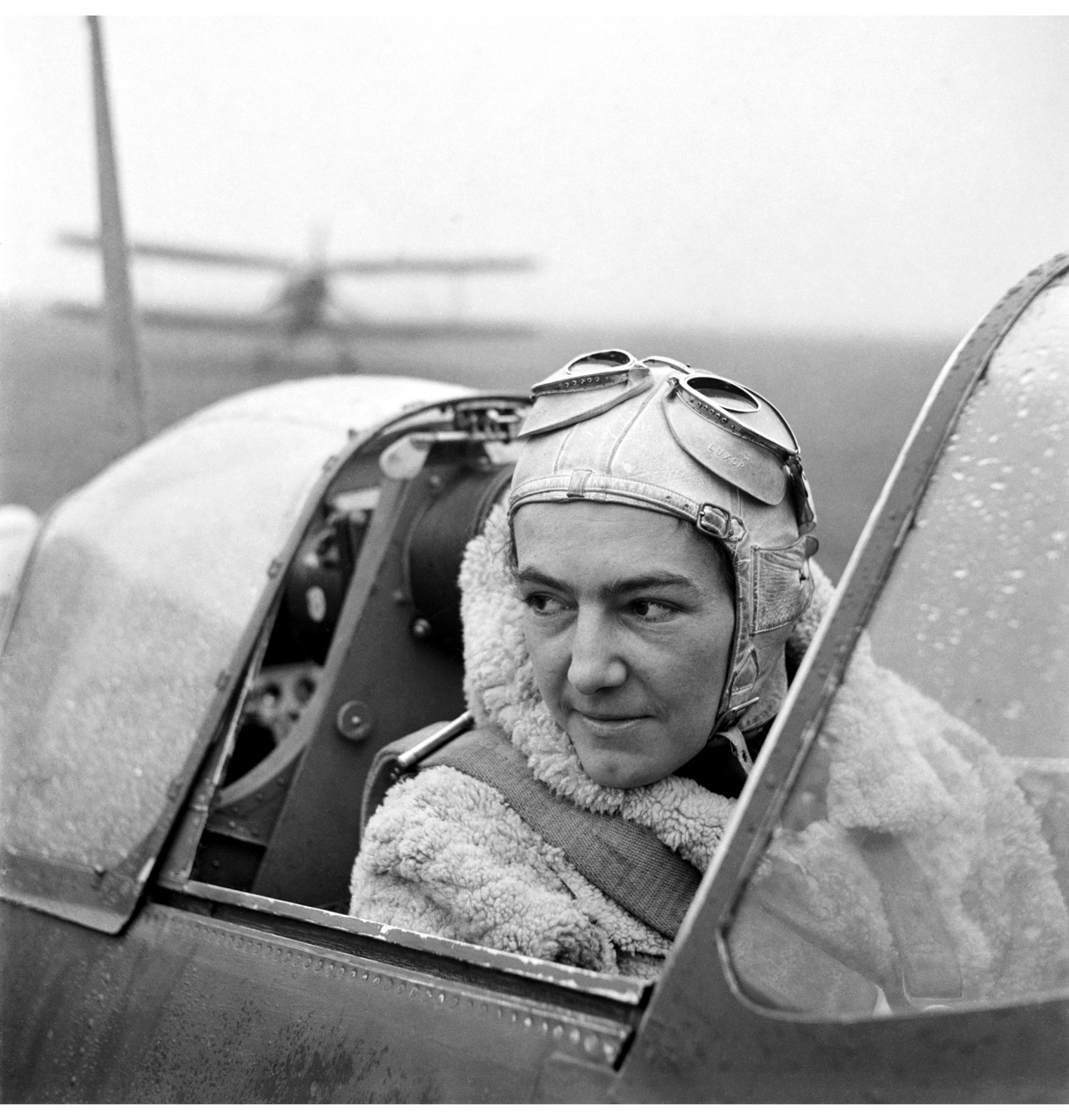
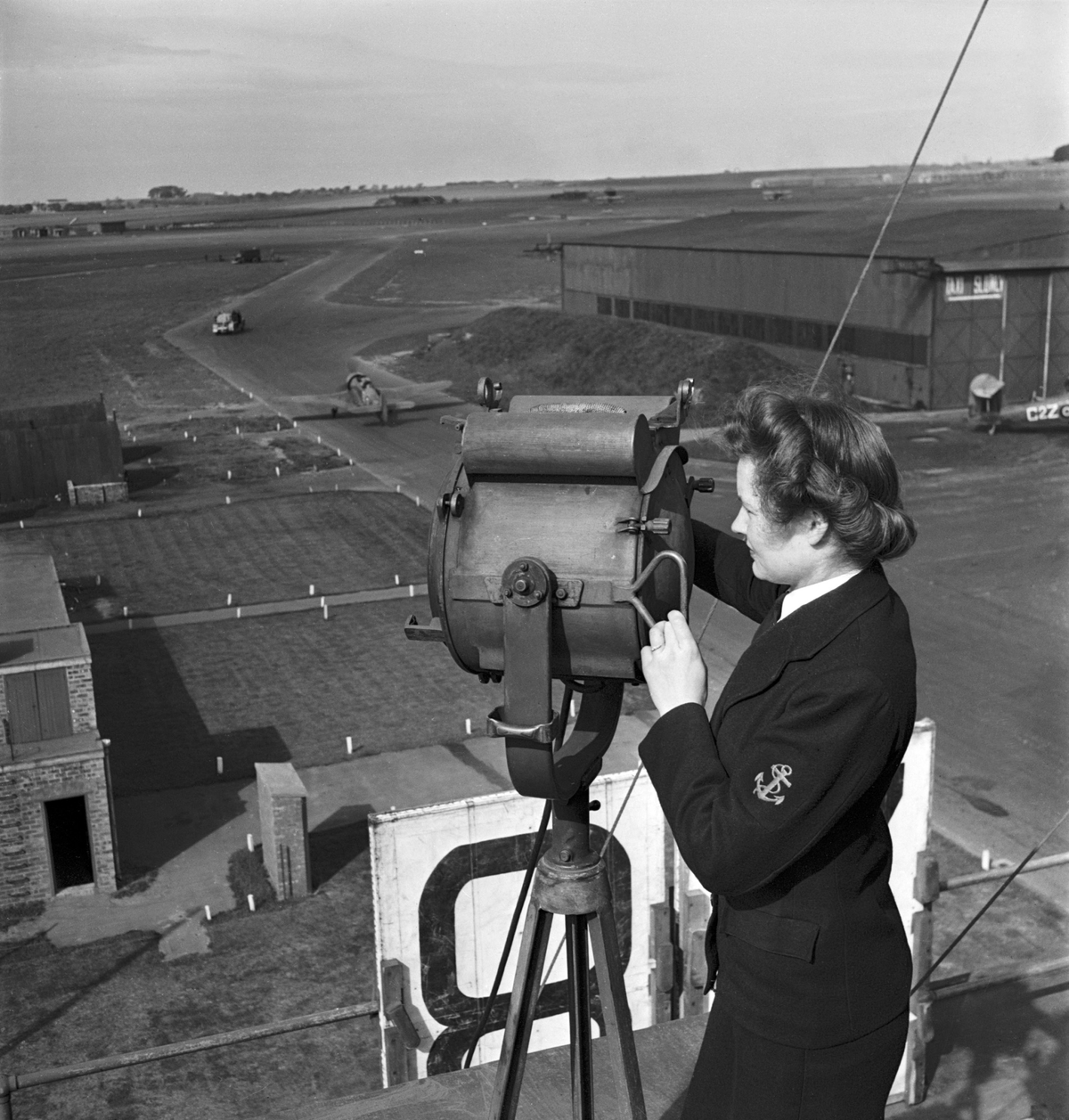
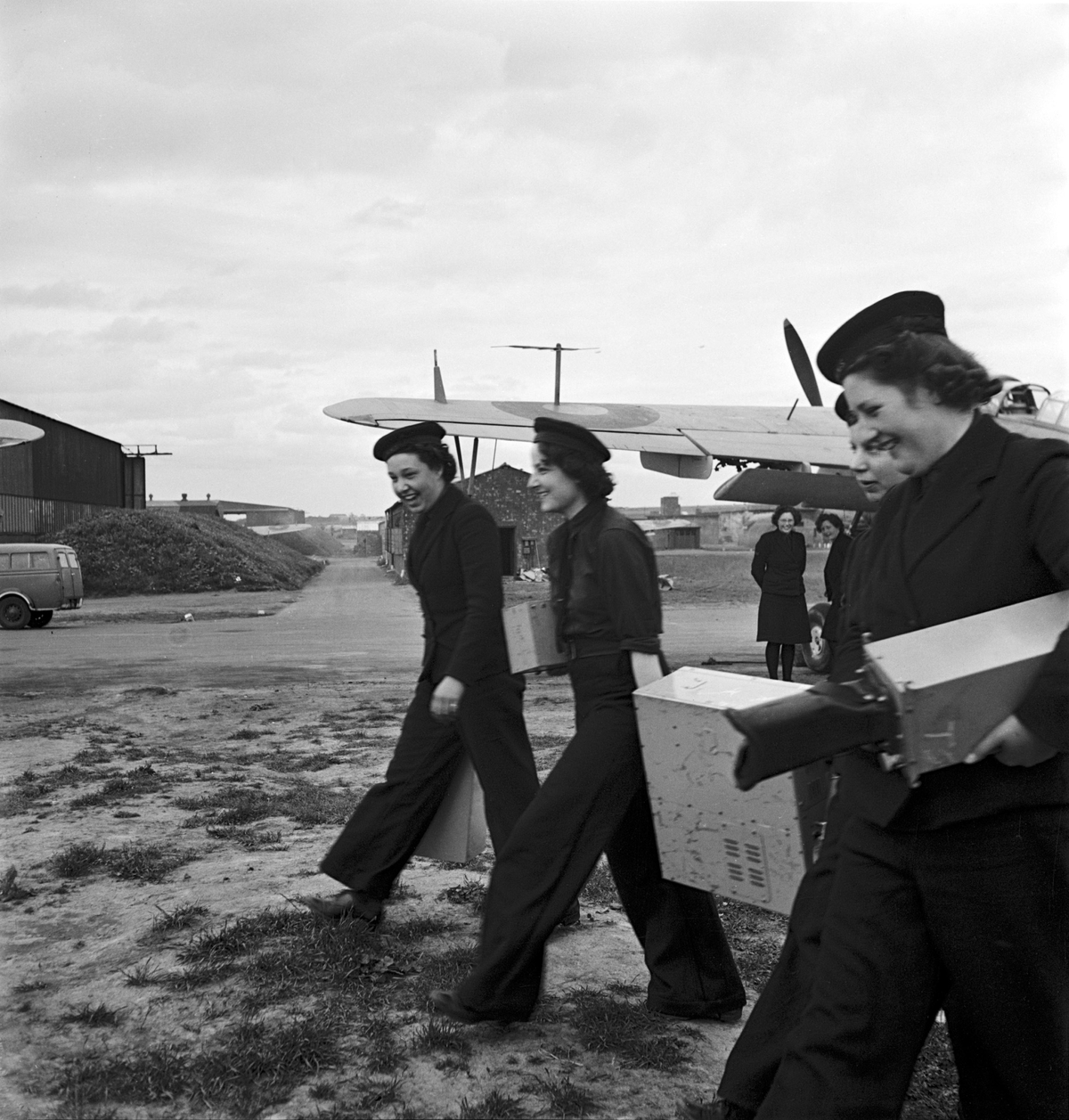
In the last months of World War II, as the Allies were rolling through Europe, Lee Miller headed to Germany to photograph an atrocity. One of the few women reporting from the ground, she wrote to American Vogue, “No question that German civilians knew what went on.” By “what went on” she meant the concentration camps. Miller urged the magazine—which until then had worked to boost the morale of its female readers—to publish what she’d documented. “I usually don’t take pictures of horrors,” Miller said, “but don’t think that every town and every area isn’t rich with them.” Skeletal prisoners. Piles of dead bodies. SS officers who had just killed themselves. Vogue ran the images.
Miller was bold, having learned of life’s wickedness at an early age. Born in Poughkeepsie in 1907, she was sent at seven to live with family friends in Brooklyn, while her mother, Florence, recovered from an illness. There she was raped by the family’s son and contracted a venereal disease that would take years of painful treatments to cure. Though her parents believed her account, and hired a psychiatrist to help their daughter, Miller’s father, Theodore, shockingly began photographing her in the nude, continuing to do so until she was in her 20s.