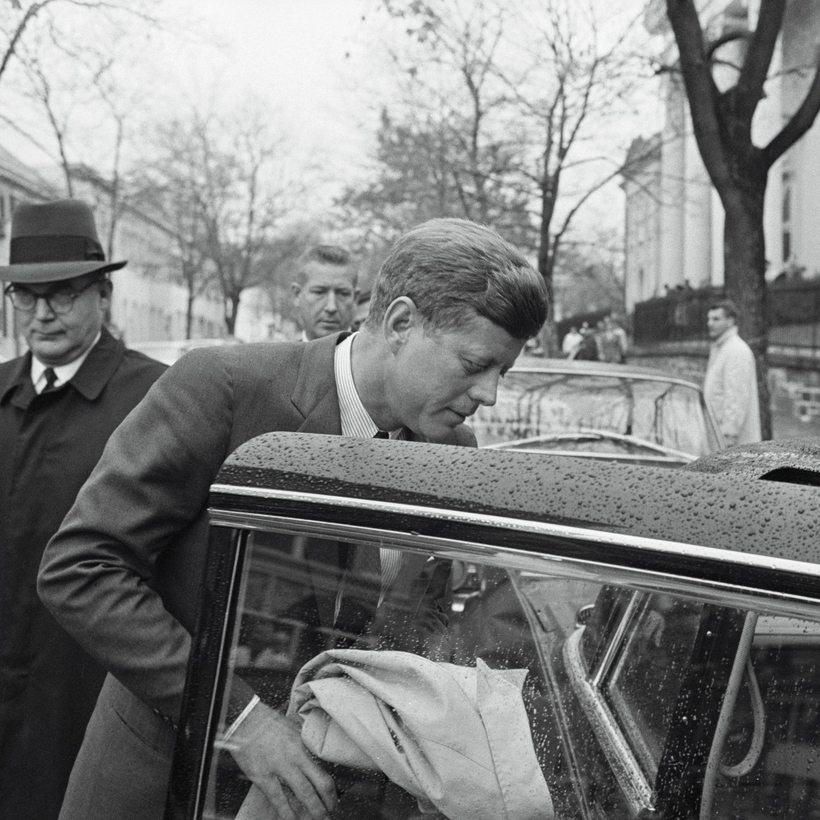
President Kennedy remains an enigma six decades after his assassination: a portrait of polish and poise in public, a careless philanderer dependent on powerful painkillers and stimulants in private. Historians recall Kennedy as cool and decisive during the Cuban missile crisis, rejecting reckless advice that could have provoked a nuclear war. Nearly forgotten is how 13 months later a hesitant Kennedy emerged, one who ignored his own instincts and reluctantly acquiesced to a coup in South Vietnam cooked up by middle-ranking aides to stabilize a chaotic country coming apart at the seams.
That decision, journalist Jack Cheevers persuasively argues in Kennedy’s Coup: A White House Plot, a Saigon Murder, and America’s Descent into Vietnam, is where the tragedy begins. What followed was a spiraling succession of inept South Vietnamese governments that could never take the initiative against their Communist foes.