“There is a stranger outside your house,” writes Emily Wilson in a note introducing her 2017 translation of The Odyssey. “He is old, ragged, and dirty. He is tired. He has been wandering, homeless, for a long time, perhaps many years. Invite him inside. You do not know his name. He may be a thief. He may be a murderer. He may be a god. He may remind you of your husband, your father, or yourself. Do not ask questions. Wait, let him sit on a comfortable chair and warm himself beside your fire. Bring him some food, the best you have, and a cup of wine. Let him eat and drink until he is satisfied. Be patient. When he is finished, he will tell his story. Listen carefully. It may not be as you expect.”
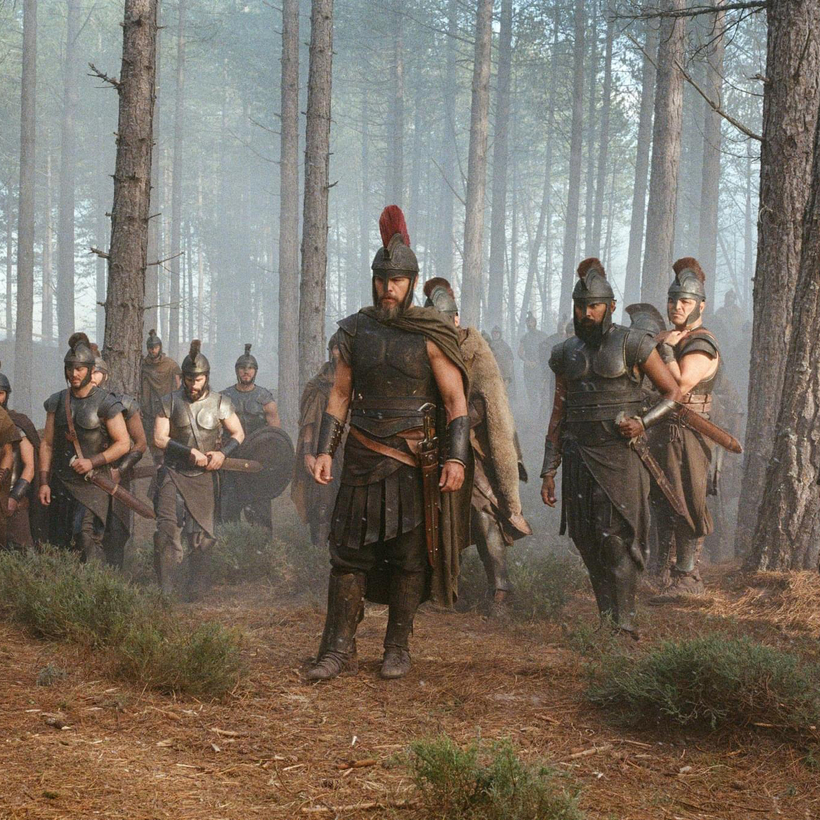
What is it about The Odyssey, and specifically Wilson’s translation, that attracted not only the director Christopher Nolan, whose cinematic adaptation of the epic poem is currently breaking box-office records, but also seemingly the rest of the world? Beyond the action, the gods and monsters, the excellent actors bringing to life those iconic characters, why does this old story still speak to us?