
Bozorgmehr Sharafedin
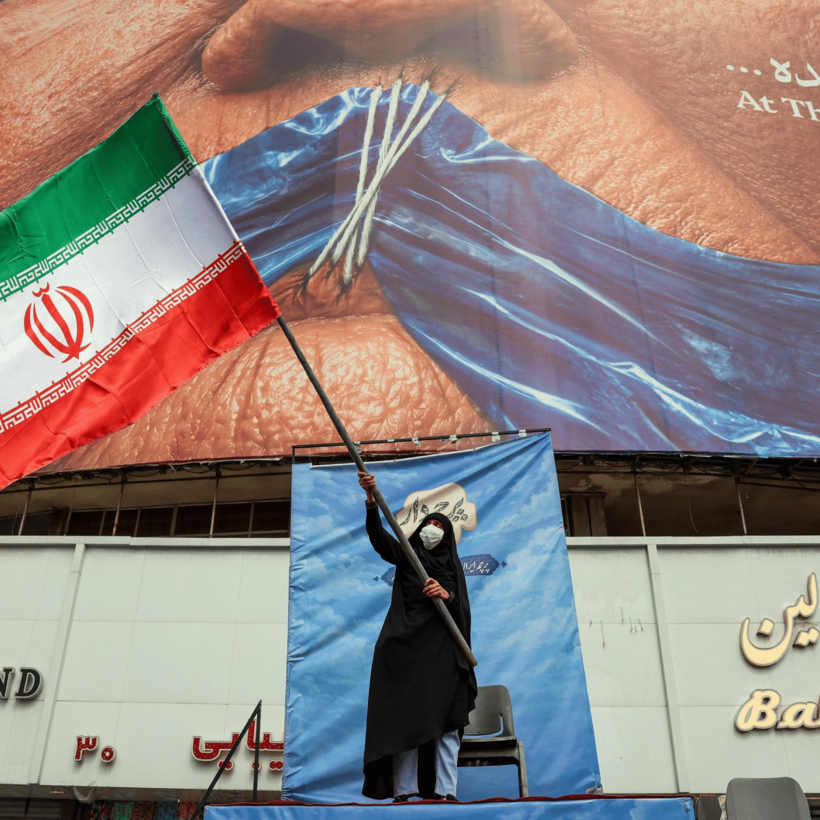
As Donald Trump’s ill-considered war on Iran slouches toward an endgame, spare a thought for the conflict’s biggest losers: the Iranian people. In early January, amid a crackdown on anti-regime demonstrations, Trump urged Iranians to “KEEP PROTESTING…. HELP IS ON THE WAY!” The U.S.-Israeli bombing campaign that began on February 28 succeeded in eliminating dozens of top officials, including Iran’s supreme leader, Ayatollah Ali Khamenei. But the regime remains in power, still wielding its tools of repression. In the last three months, at least 35 political prisoners have been executed, the Internet has gone dark, and food and water shortages have worsened. Rather than putting Iranians on a “new path to freedom,” as Israeli prime minister Benjamin Netanyahu promised on March 12, the war has mostly added to their suffering.
This pattern of raised hopes and dashed expectations has defined Iranian life since the Islamic Revolution of 1979,which overthrew the shah and ushered in a half-century of clerical rule. As Yeganeh Torbati and Bozorgmehr Sharafedin write in this engrossing and revelatory book, contemporary Iranian society “has simultaneously resisted and been forced to make do with its rulers.” Under the ayatollahs, the Islamic Republic has become a “criminal enterprise that benefits a few, protected by a brutal, repressive apparatus.” At the same time, eruptions of popular discontent have become more frequent, more organized, and more threatening. Whether those voices of reform ultimately prevail is the question at the heart of this book—and one that will determine the future of the Middle East.