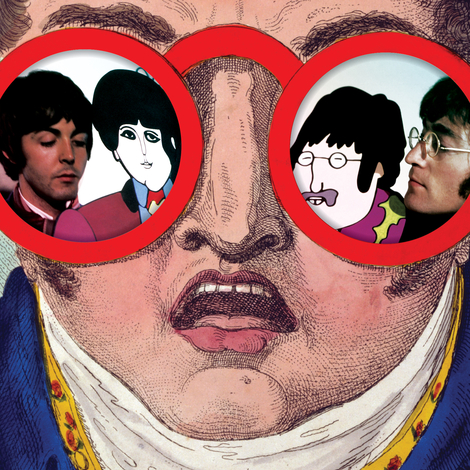

On a Tuesday afternoon in New York City—77 degrees Fahrenheit with a slight overcast—the day resembles Mark Rothko’s No. 11. What does that mean? Hazy yellows and oranges echo the lingering warmth of the day before giving way to dusky blues (No. 61 [Rust and Blue], 1953) and, eventually, darkness (Untitled Brown and Gray). Created by Finnish product designer and creative director Joonas Virtanen, the Web site Current Rothko matches a location’s weather and light conditions to a Rothko painting with a similar palette. The project draws on 89 paintings available via WikiArt (a copyright work-around) and pairs them to cities across the globe. While it’s not quite as reliable as your meteorologist’s radar, the color fields are comforting and confounding, offering a clever source of inspiration for your day. (rothko.joonas.wtf) —Gracie Wiener

look
Mirage
Under the Sun, Vol. 2, Ferrari drifts between past and present and “between the roar of engines and the silence after ignition,” according to its publisher, Mirage Magazine. Following up last year’s Under the Sun, Vol. 1, Porsche—which was recently re-stocked after quickly selling out—this new release does an exceptional job of conjuring the unique allure of the Italian auto. Curated by Mirage’s Frank Rocholl, the photo editing is endlessly exciting, opening with a 1978 photo of Kate Bush leaning against her yellow 308 GTS. Particularly enjoyable is the “Movies & Ferrari” section, diving into the models memorably driven in films like To Live and Die in L.A. (a black 308), The Long Goodbye (a pastel yellow 365 GTS/4 Daytona), and Daft Punk’s Electroma (a black 412). Simply put, you need this book—and if you’re feeling particularly extravagant, opt for the limited edition, housed in a silver art box with two double-sided posters. ($99, miragemag.com) —Spike Carter
read
1873
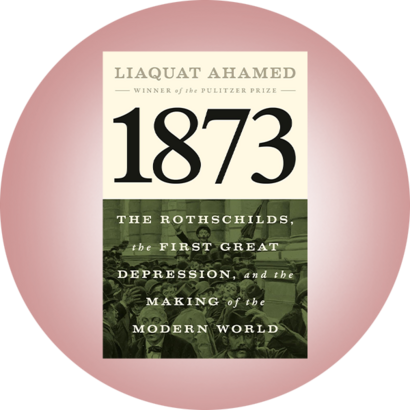
Liaquat Ahamed won the Pulitzer Prize in 2010 for Lords of Finance, his account of how four central bankers helped bring about the Great Depression in 1929. If there is a God, Ahamed should win a second one for 1873, his utterly compelling history of the world’s first global financial disaster and how the Rothschilds banking family got caught up in the maelstrom. The consequences ranged from hobbling Reconstruction to hastening the end of the Ottoman Empire to poisonous deflation, and the blundering response by governments helped shape the modern world. If Mark Twain was right when he said, “History doesn’t repeat itself, but it often rhymes,” feel free to find the poetic rhythm between today’s frenzied spending on A.I. and 19th-century railway bonds. ($32, amazon.com) —Jim Kelly
watch
Summer Lovers
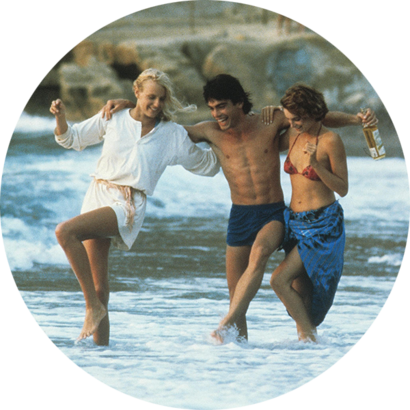
Summer Lovers (1982) is the cinematic embodiment of the song “Summer Nights,” from Grease (1978), which makes sense considering both films have the same director, Randal Kleiser. Set on the Greek islands in the early 1980s, Summer Lovers stars a young Daryl Hannah (Cathy) pre-Splash and Peter Gallagher (Michael) well before The O.C. When Michael falls for a gamine Frenchwoman on the island (Valérie Quennessen), Cathy goes to confront her, only to become enticed as well, leading the couple to become an unlikely throuple. What the movie lacks in substance, it makes up for with its carefree summer energy, panoramic shots of Greece, and catchy 80s soundtrack. There are just enough references to Greek mythology to suggest greater themes of acceptance and morality, but, in the end, Summer Lovers is purely a romantic dramedy that is a lighthearted and steamy watch to start your summer. (youtube.com) —Eve Eismann
dine
Gigi’s
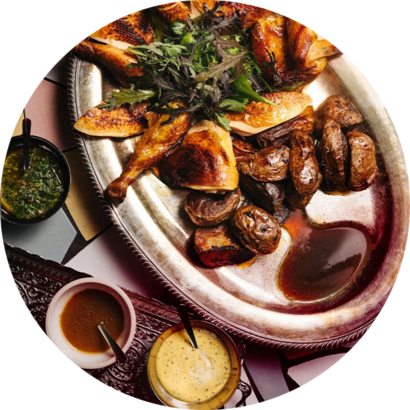
Those who give New York restaurants less than favorable reviews often sound like a broken record (“too expensive,” “too loud,” “impossible to get into” ). But they may have a point—especially when it comes to finding a go-to spot. Gigi’s, however, comes to the rescue. Since opening in April, the Greenpoint wine bar has become popular while somehow avoiding the usual line-down-the-block curse. The menu is simple, with charcuterie plates and salads complementing the main item: rotisserie chicken. Cooked to perfection, it arrives with three sauces, each better than the last, and potatoes roasted in the drippings. The wine list is extensive (try the Vignes du Maynes), and the interior has the warmth of a proper bistro. Best of all is their motto, which happens to also be mine: “Drink well, eat well, laugh out loud, and have a good time.” Simple, yet effective. (fulgurances.com) —Jeanne Malle
read
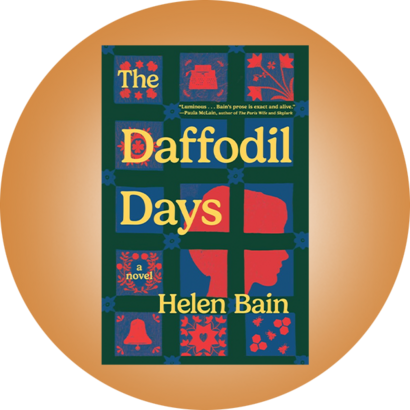
The Daffodil Days
Helen Bain writes like John Constable painted: each minute detail is observed and rendered, creating a complete and magnificent picture of the English countryside. In Bain’s case, she’s writing about North Tawton near Dartmoor in The Daffodil Days. It’s the early 1960s, and there are strange comings and goings at Court Green, the home to Ted Hughes and Sylvia Plath. Bain has achieved brilliant and authentic characterizations, and multiple narrators give their own perspective. But best of all for us Plath junkies are the jewel-like glimpses of the tall lady in red—full of tension. A very clever debut novel. ($28, simonandschuster.com) —Sarah Hyde