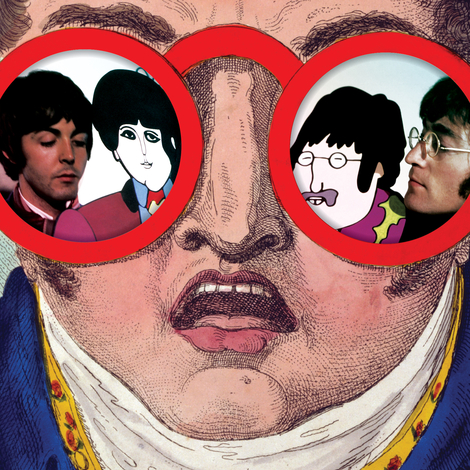
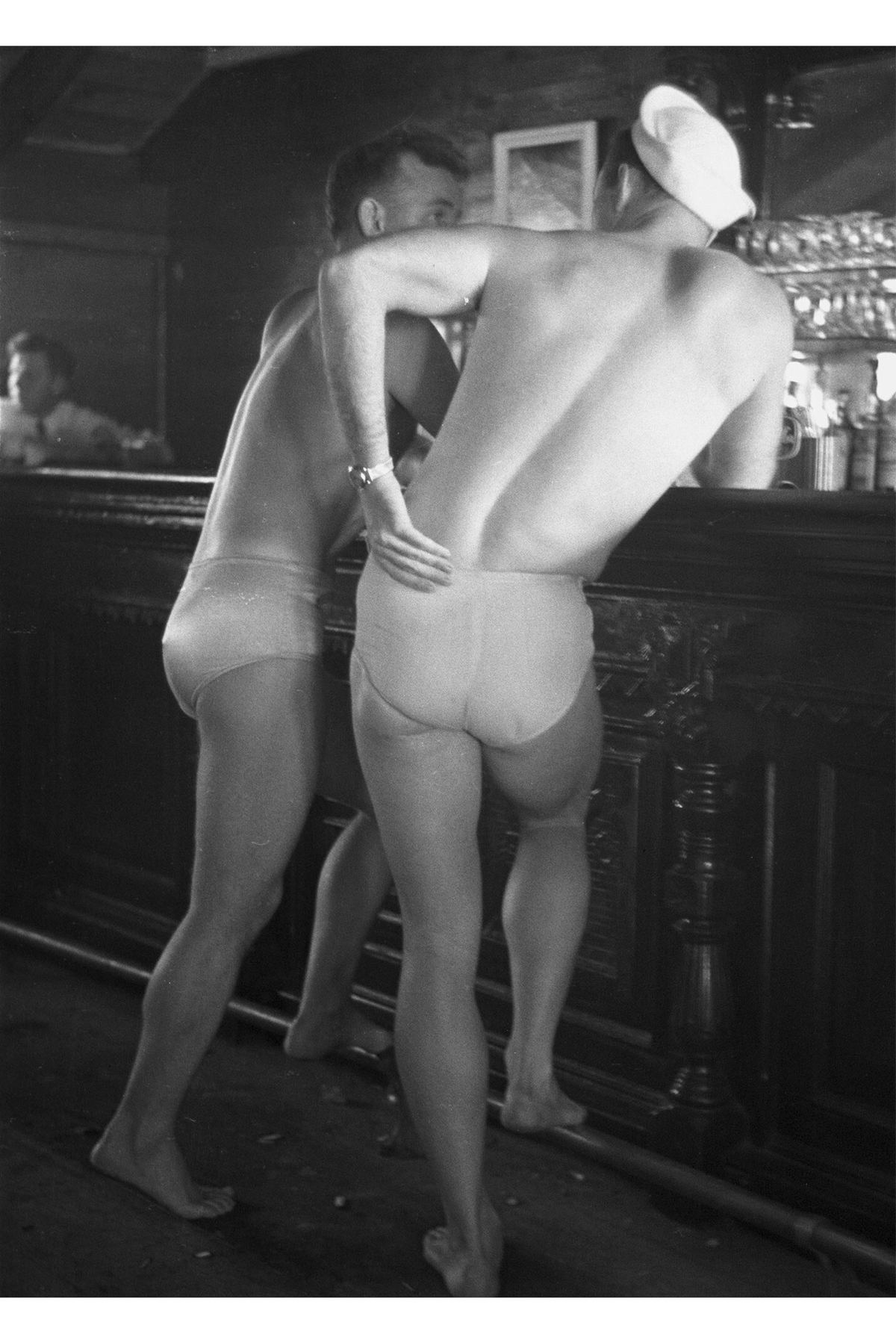
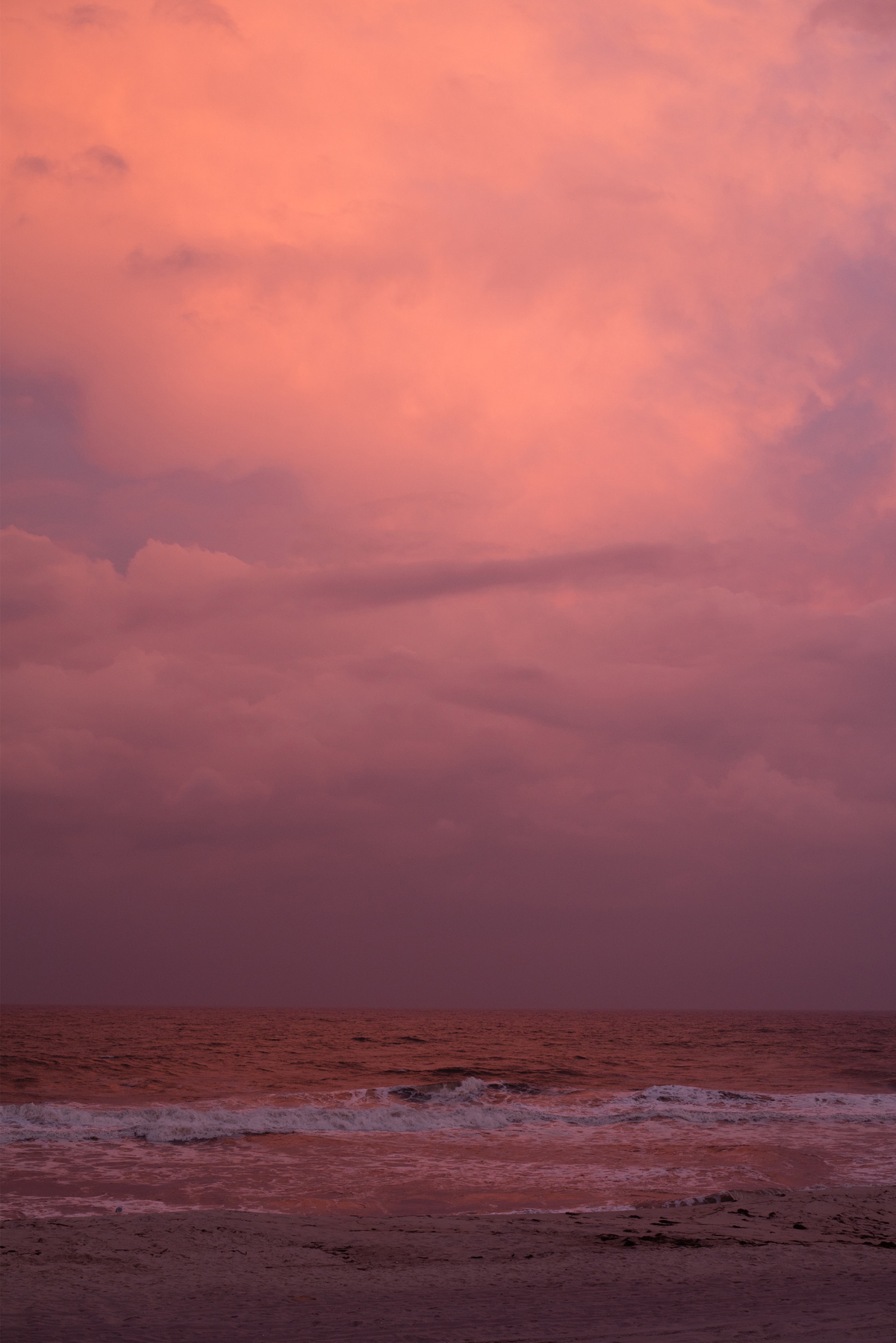
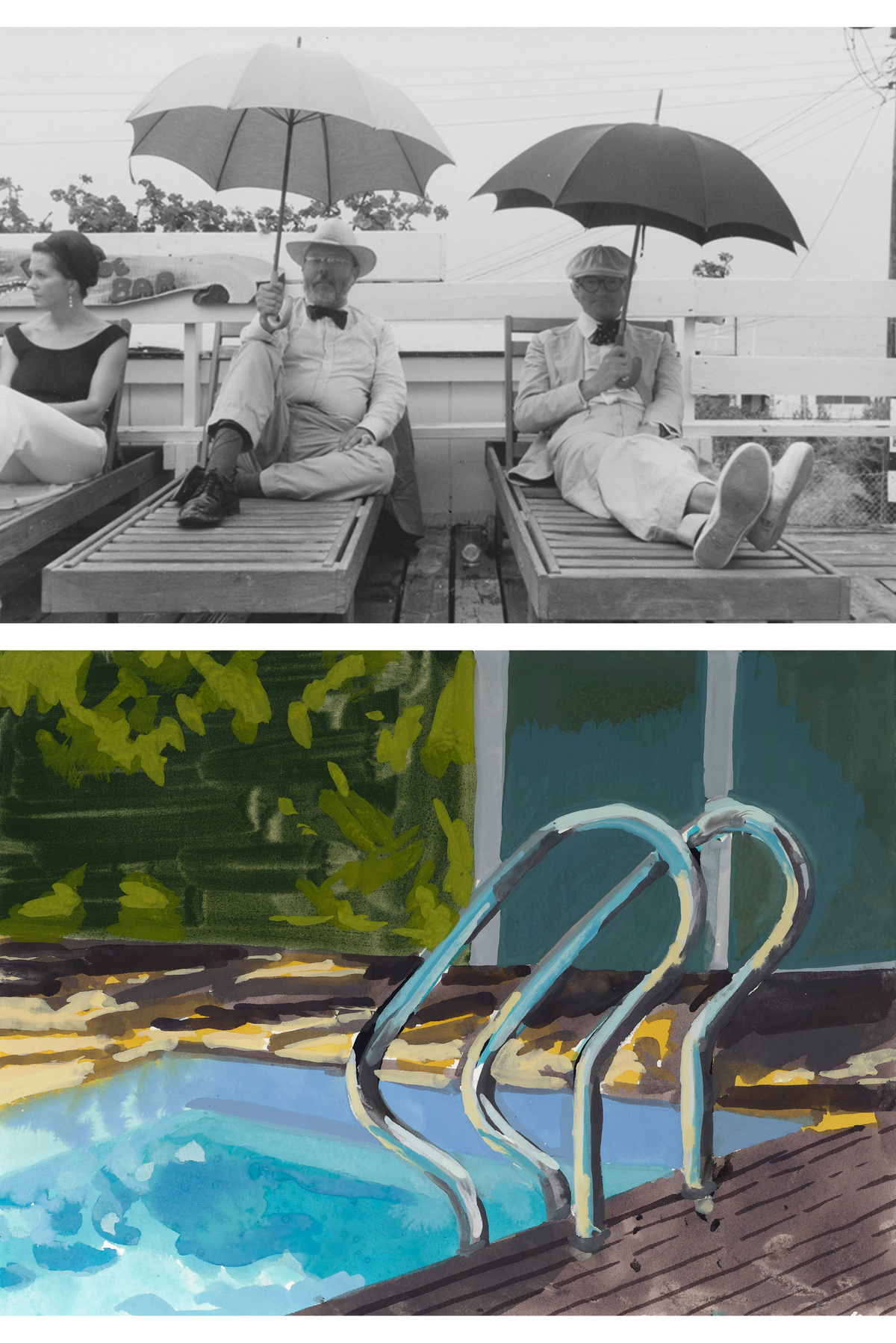
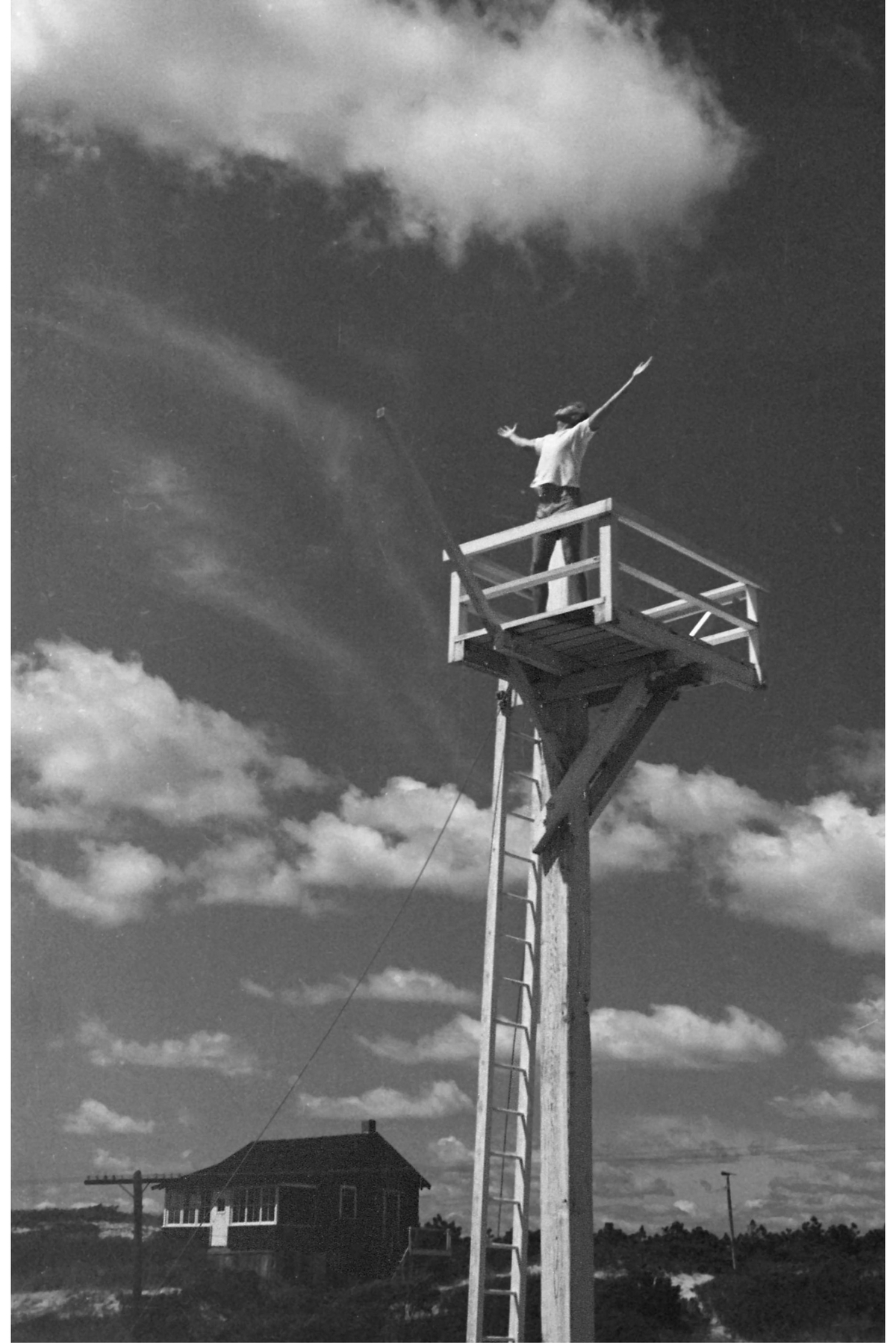
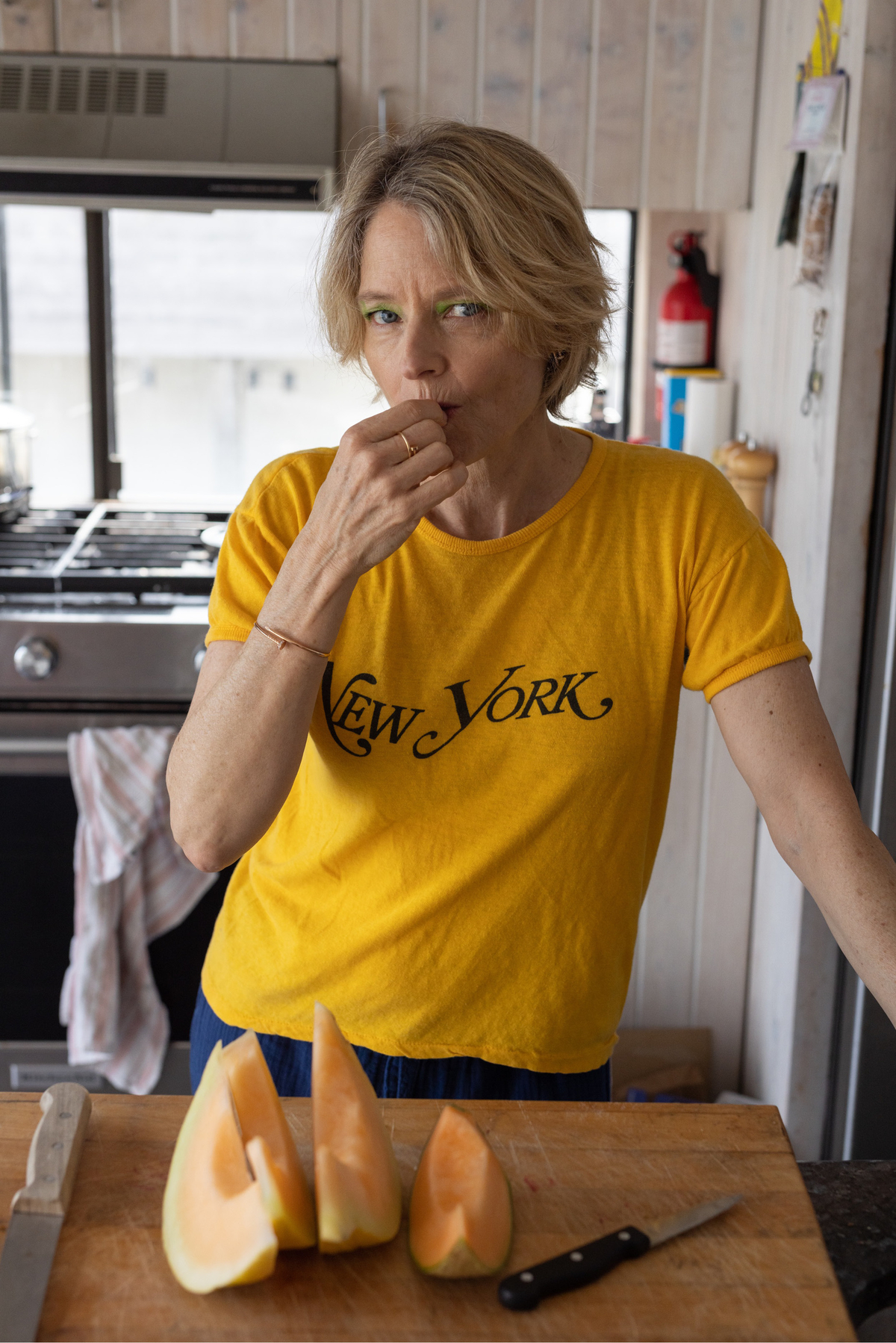
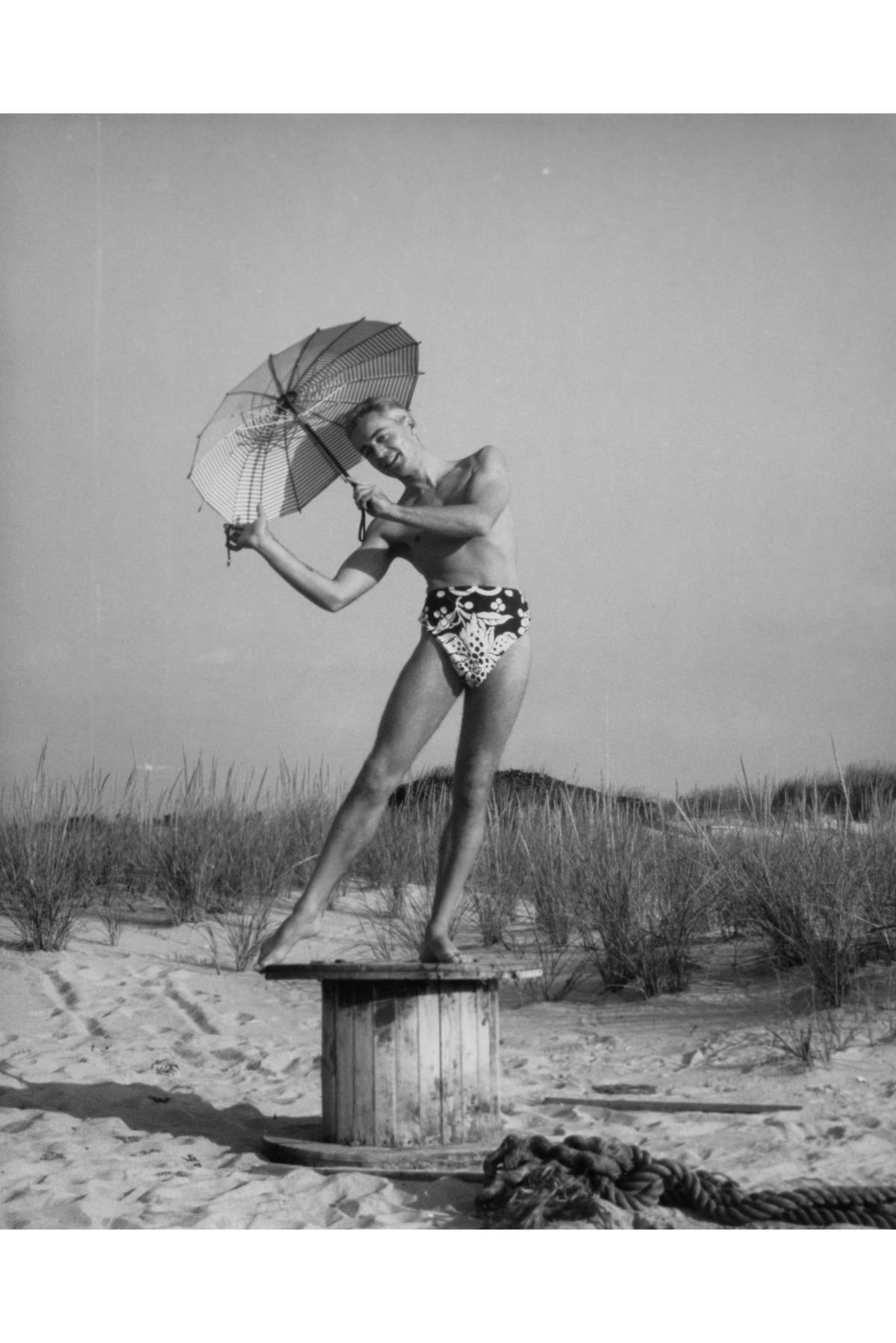
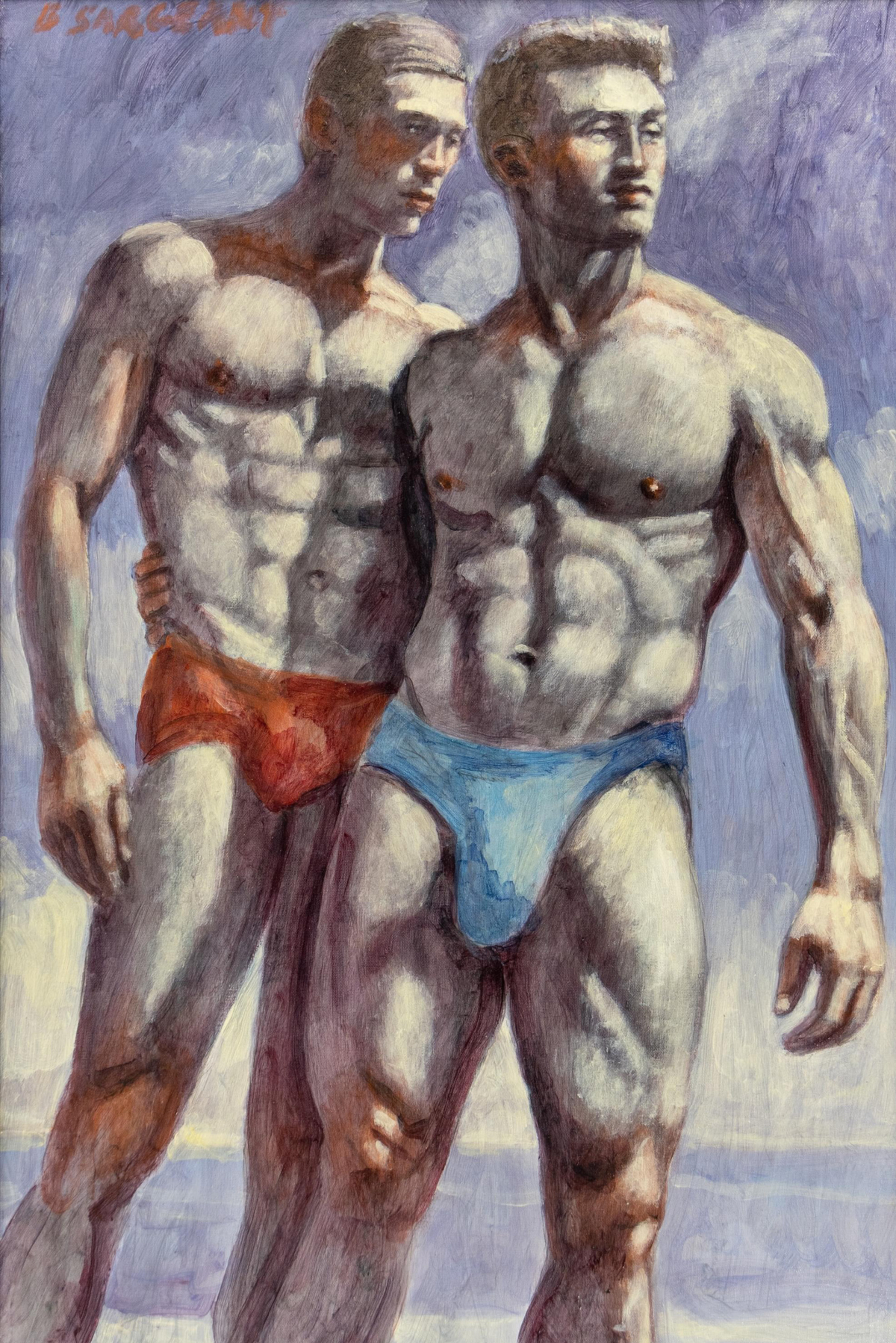
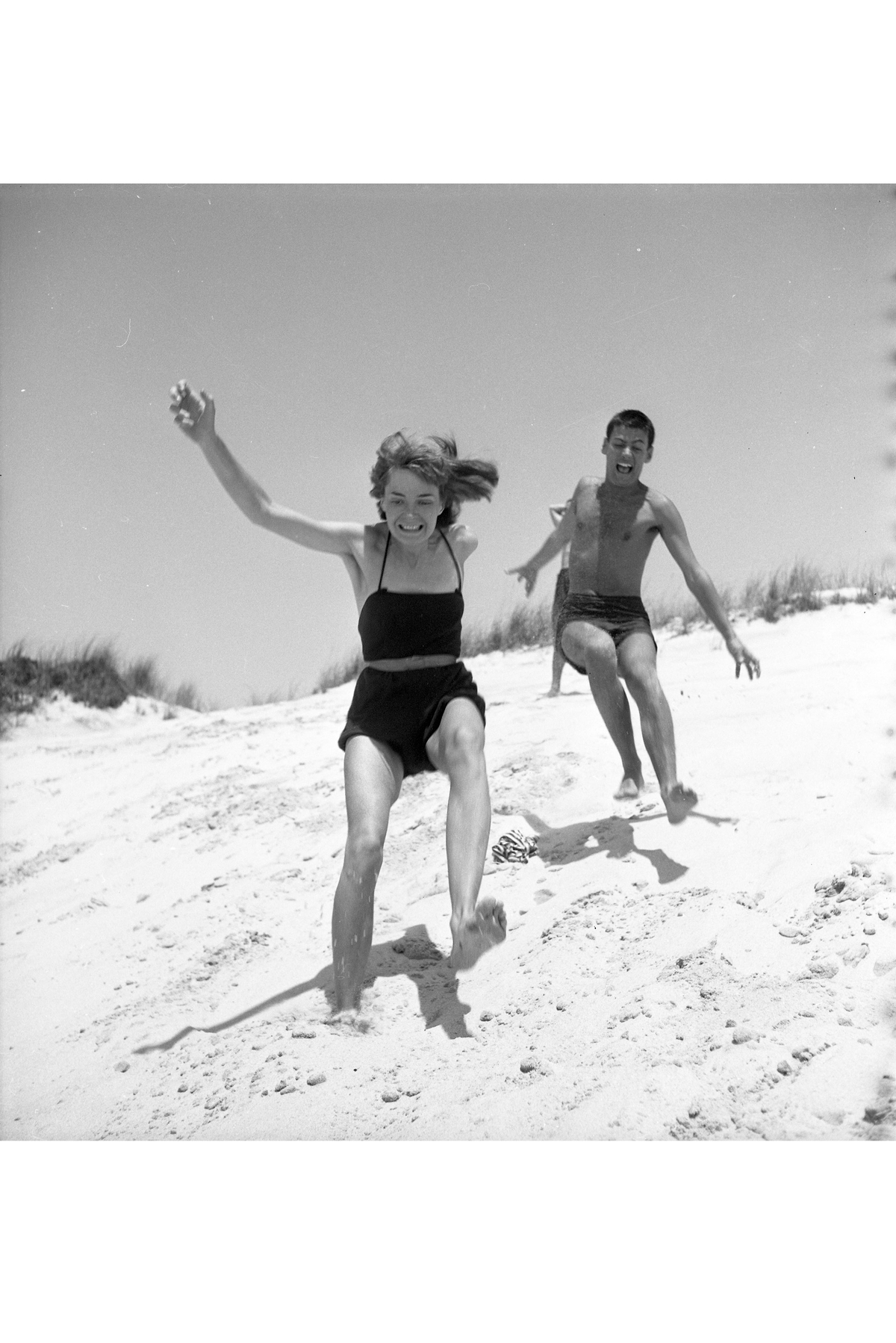
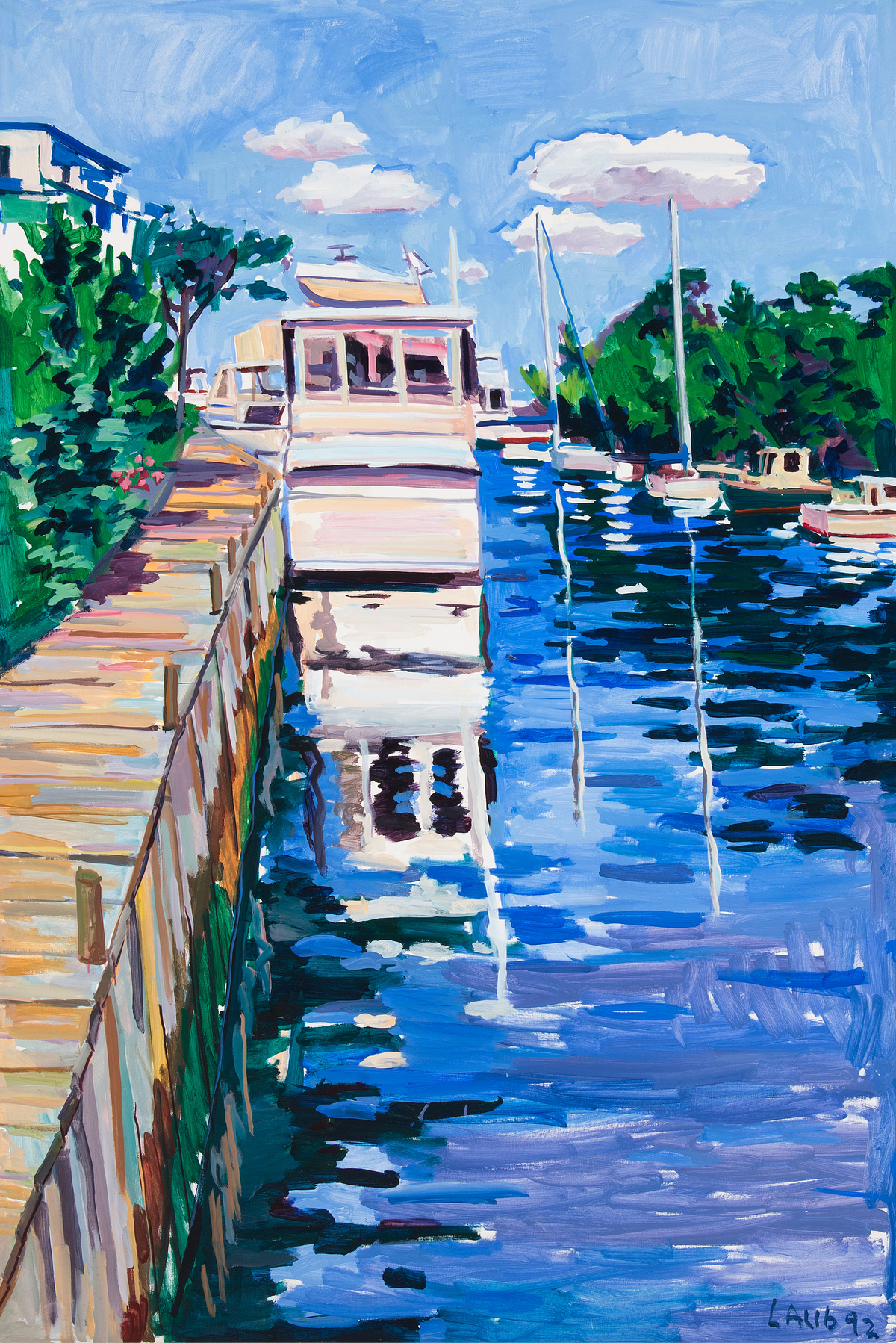
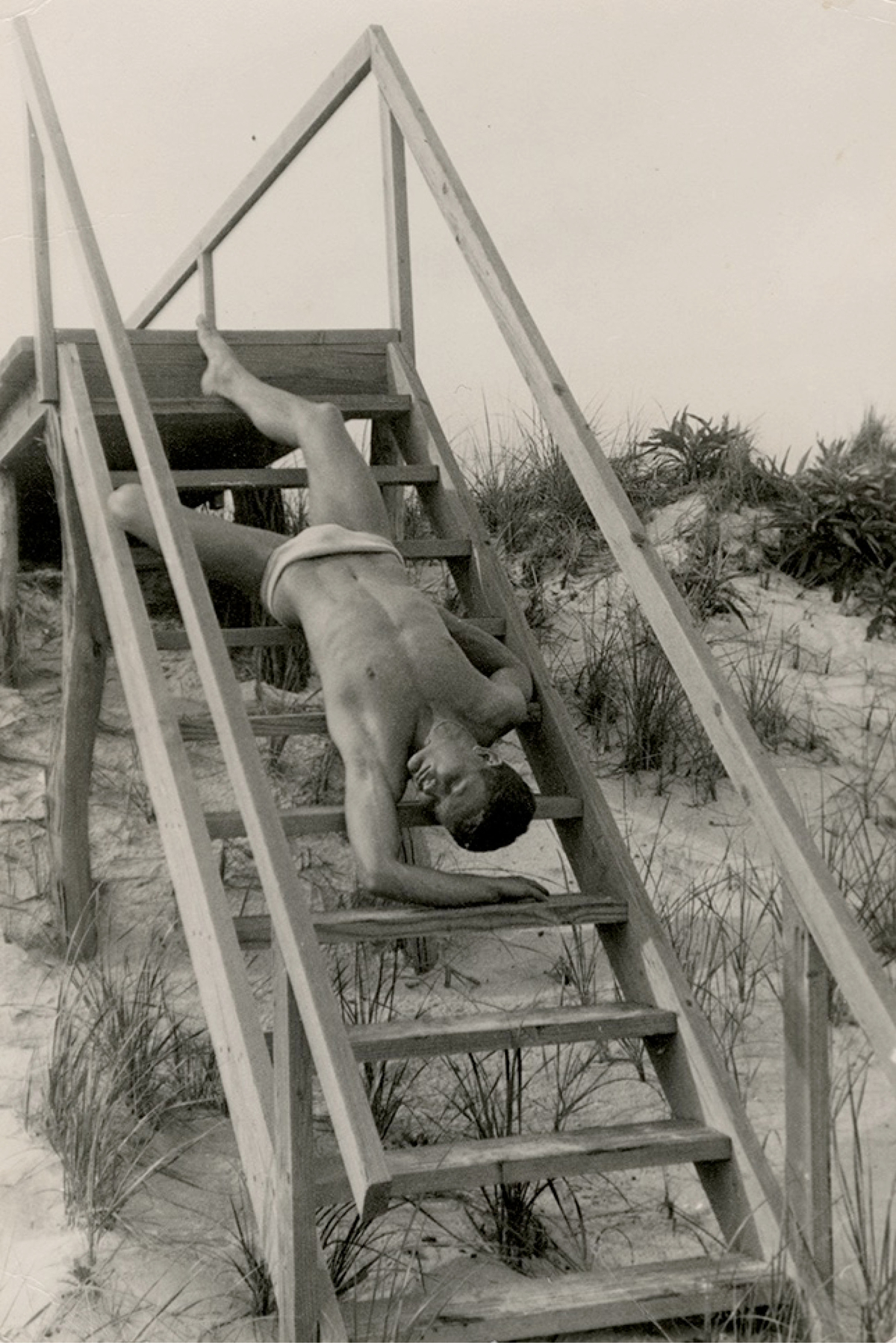
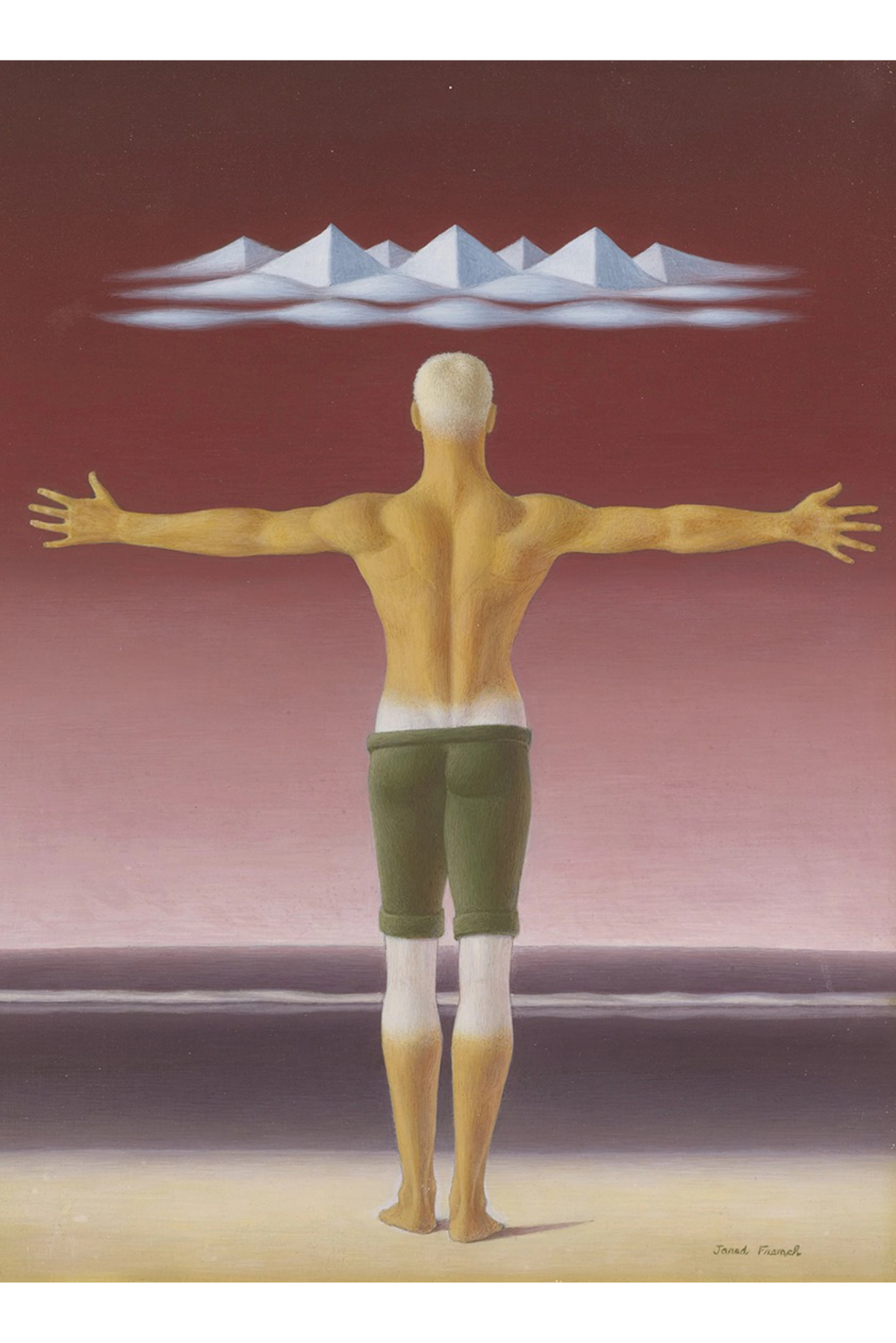
Fire Island Art: 100 Years is “only masquerading as a coffee-table book,” its editor, John Dempsey, said at the launch party in late March. On the top floor of the Nine Orchard hotel, on Manhattan’s Lower East Side, a group of men, young and old, and some women sprinkled in, gathered to celebrate the publication. As Dempsey explained, the book is more than a collection of images. It holds the story of Fire Island, a history that hasn’t been fully told until now.
Built up in the 1870s as a resort for nuclear families, Fire Island was destroyed by a hurricane in the 1930s, which quickly chased away its upper-class vacationers. In their absence, a queer utopia was born. Just a 90-minute drive from New York City, the island became a summer hub, a place where the L.G.B.T.Q. community could live and party freely. With that freedom came a surge in creativity, and that is where the book begins. It examines, for the first time, Fire Island as a place where some of the greatest contemporary artists gathered, were inspired, or left their mark.