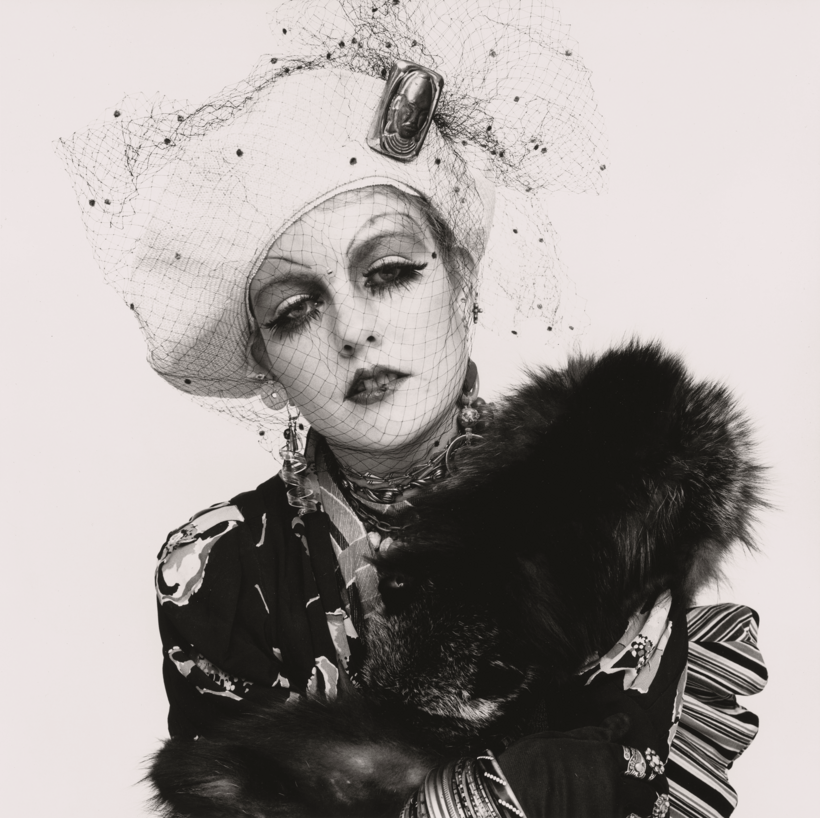
Farm animals were Peter Hujar’s first subjects. The photographer’s early years were spent with his Ukrainian mother and grandparents on a farm in central New Jersey, which exposed him to the emotionality of nature. Decades before his lens moved between nocturnal vagabonds in the East Village and names such as Diana Vreeland, William Burroughs, and Fran Lebowitz, the young man realized the power of his eye. He could monumentalize any subject, even if it was an aloof cow or a dilapidated shack.
The art dealer Gracie Mansion, who gave Hujar his final exhibition—a year before his AIDS-related death in 1987, at age 53—agrees that his gaze was revelatory. “When you look at his photograph of a blanket crumpled on the back of a chair,” she tells me, “you realize that it is actually a portrait of that blanket.” Mansion sometimes has to resist the impulse to turn away from the artist’s arresting black-and-white photographs, largely captured at his East Village studio, “because what you see is often so raw and intimate.”