
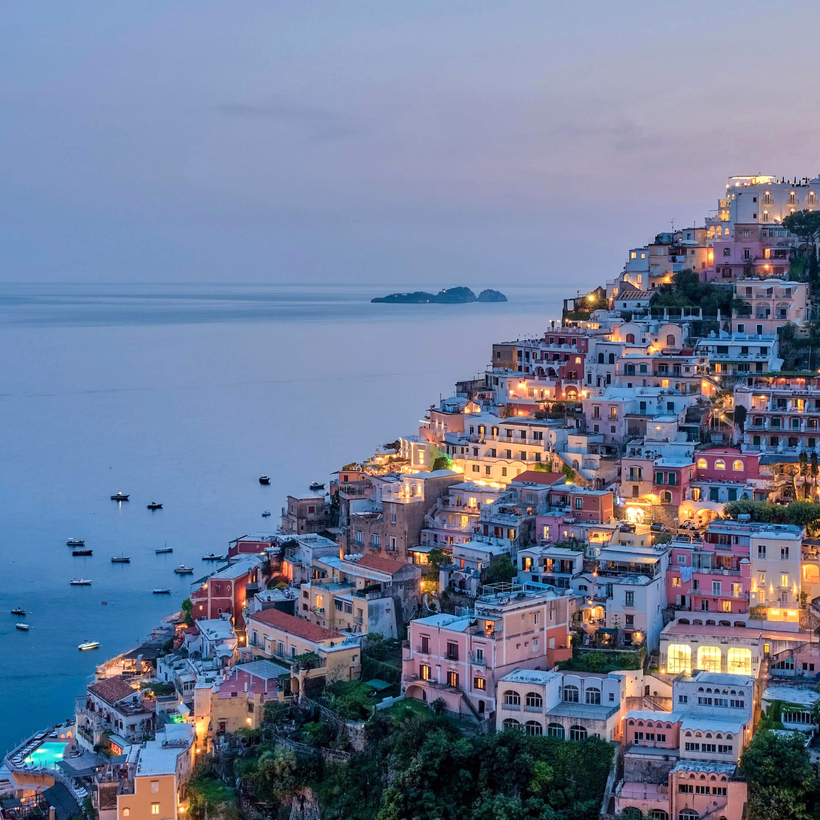
Positano, on Italy’s Amalfi Coast—which John Steinbeck described in a 1953 essay for Harper’s Bazaar as “a dream place that isn’t quite real and becomes beckoningly real after you have gone”—continues to capture the imagination, even among those who have never traveled there. Its pastel-colored houses stacked against one another along towering coastal cliffs, a sapphire sea glittering below, have become an emblem for life unburdened by the mundane.
But in recent years, reality has caught up to this bit of paradise. Despite appearances, the place is not run on sunshine and limoncello. Tourism has served the town well for generations, but it now comes at a cost: day-trippers overwhelm the streets, housing is scarce and expensive, and daily life has grown increasingly stressful, with allegations of mismanagement hanging over the local administration.