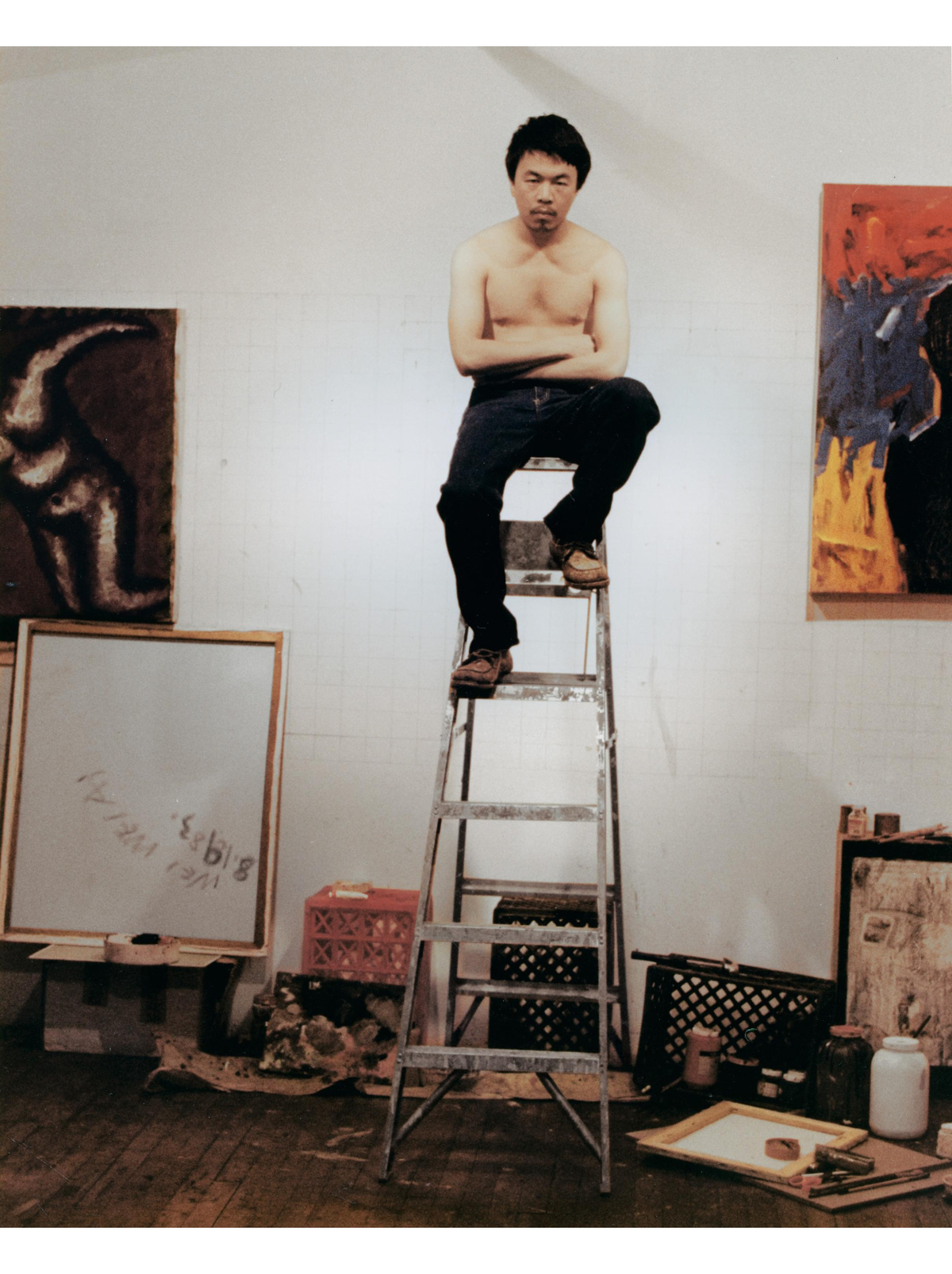
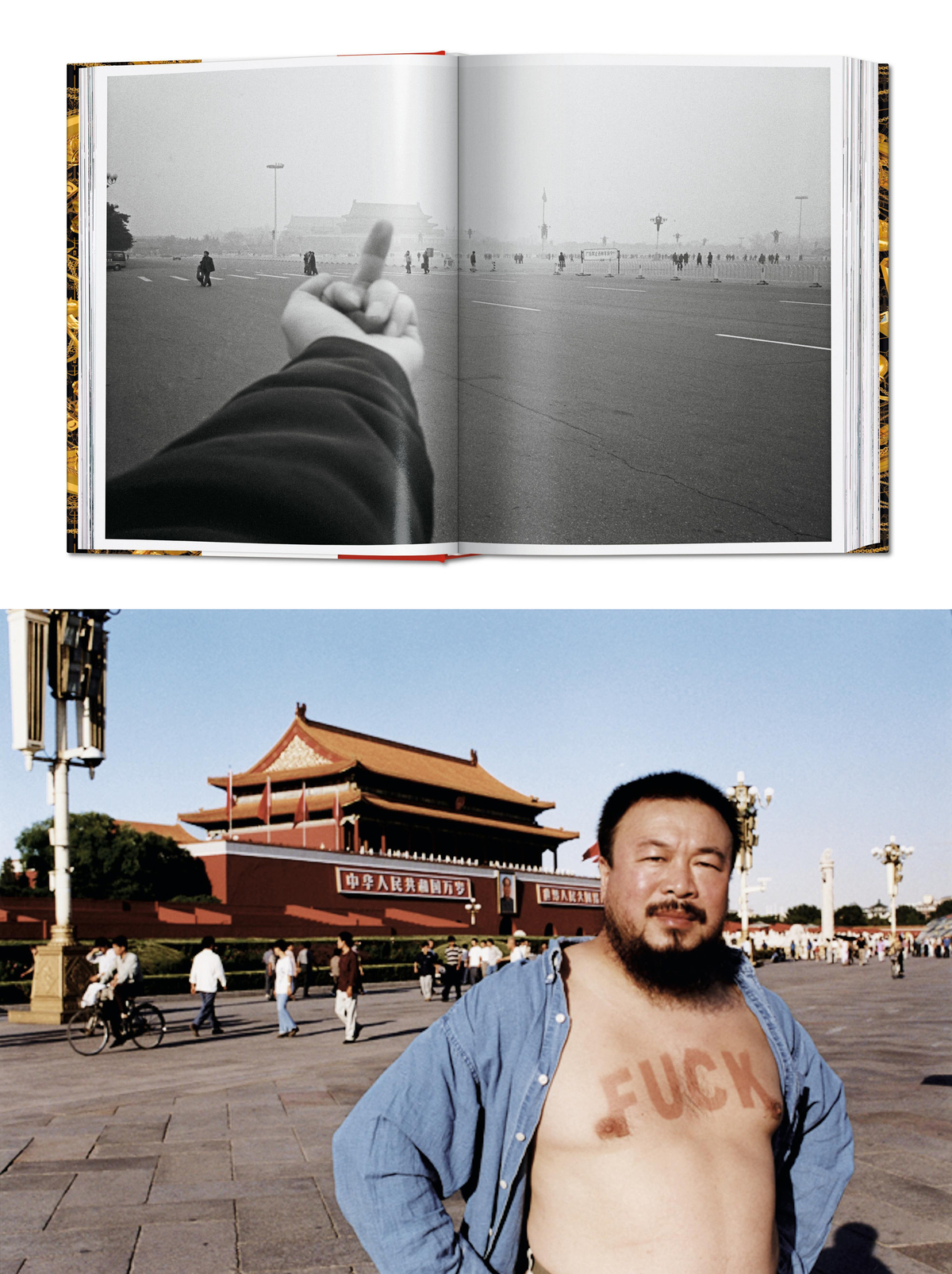
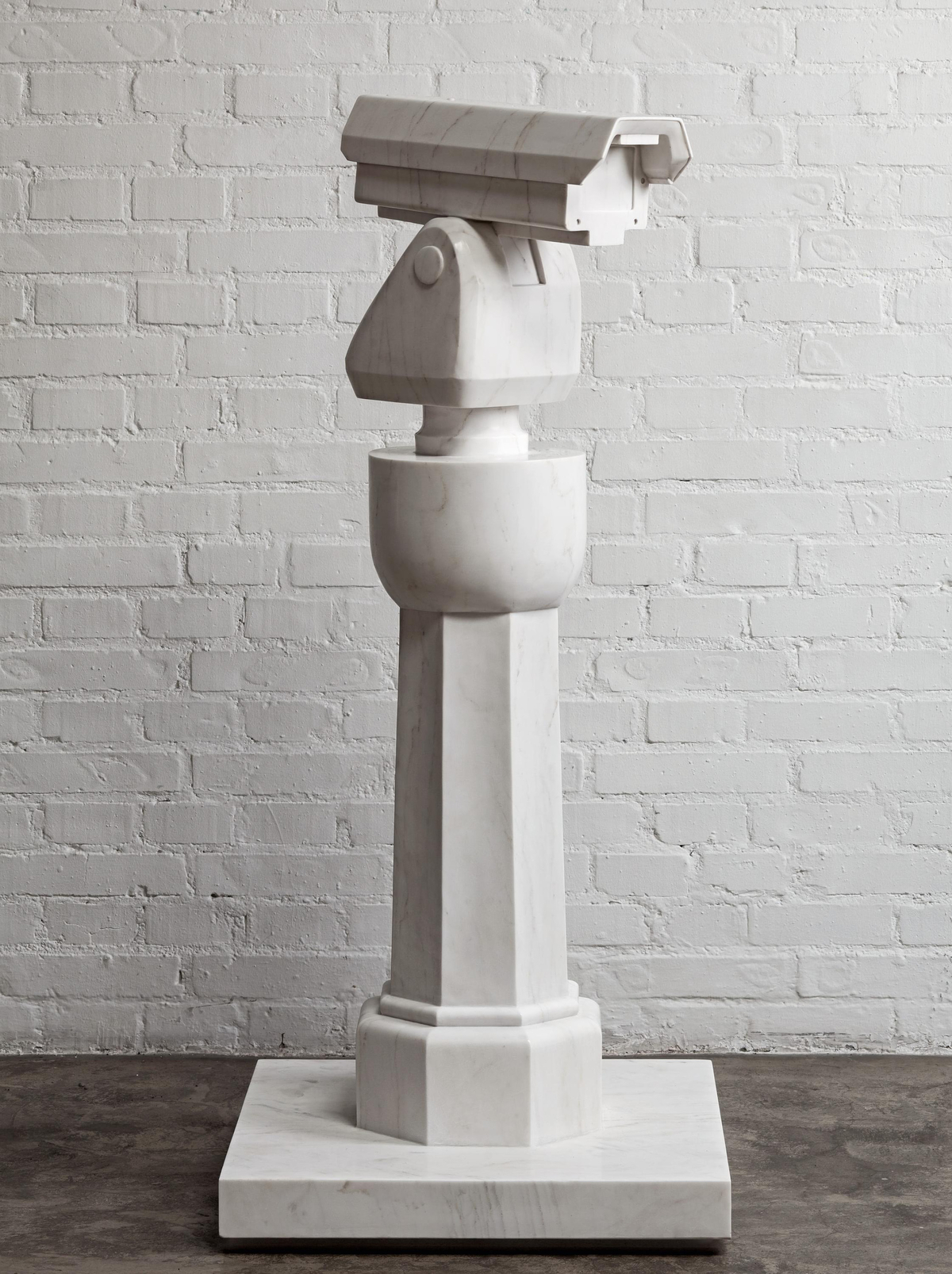
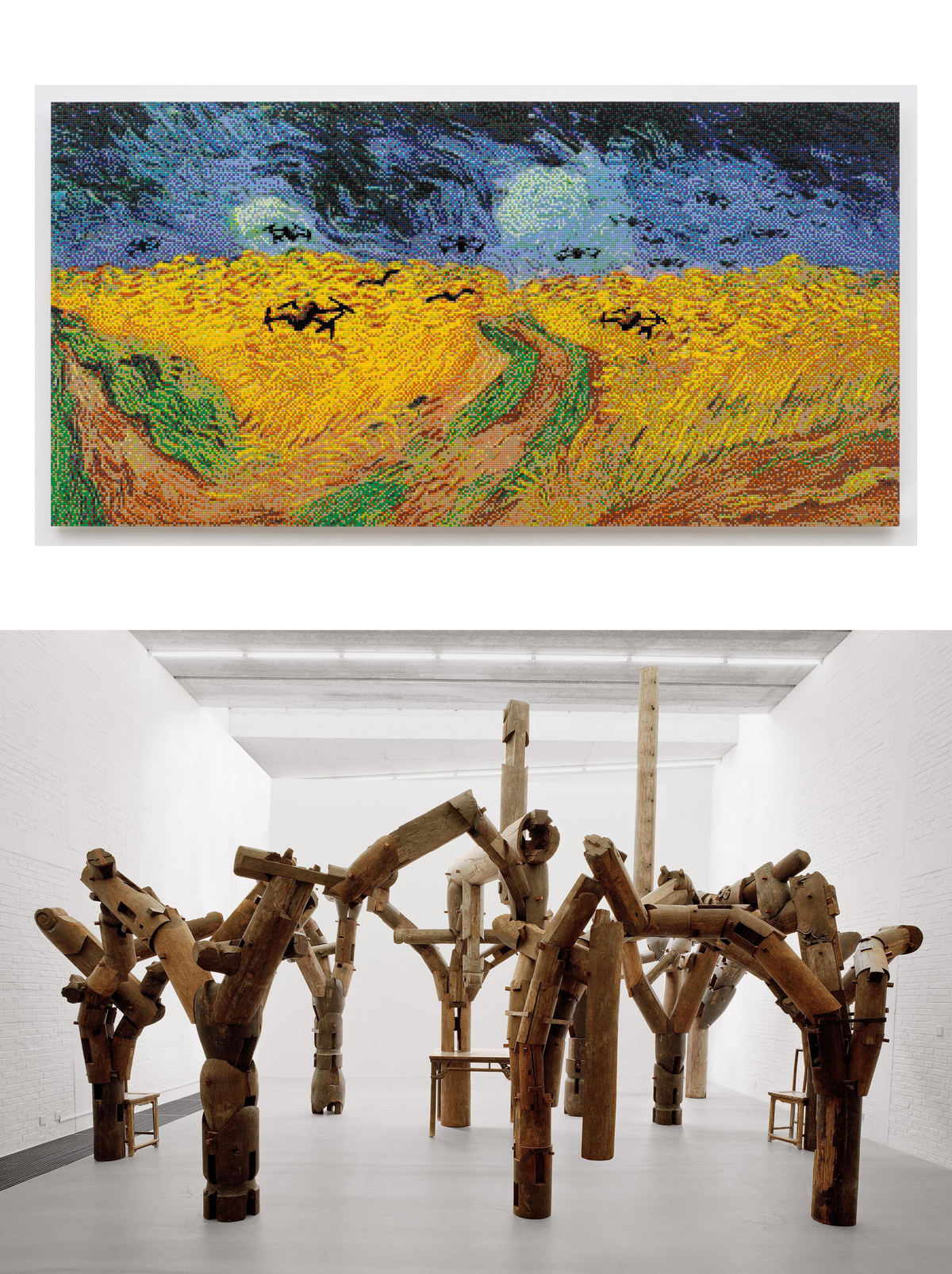
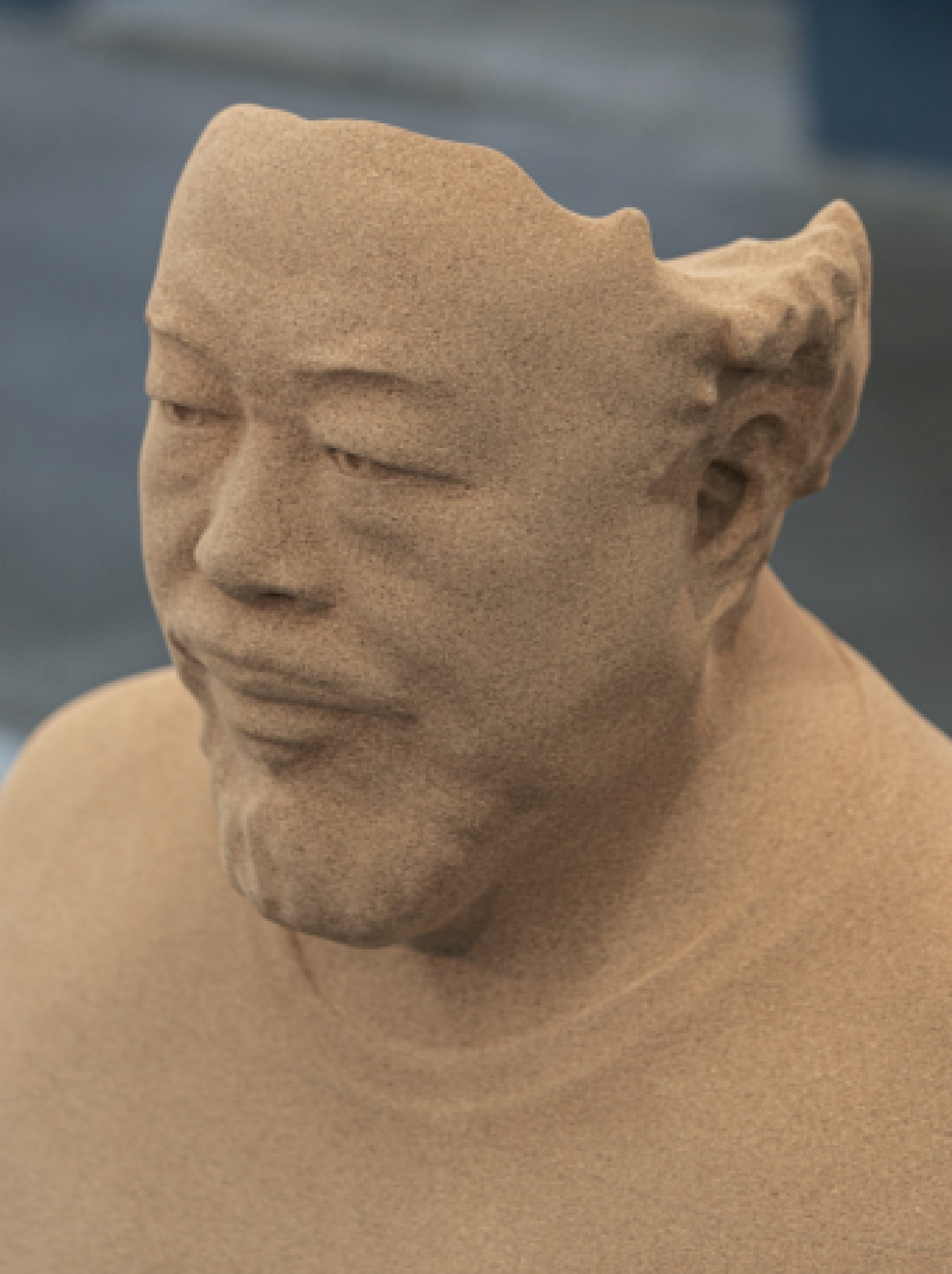
“Everything is art. Everything is politics.” That’s Ai Weiwei, summarizing both his life and his work. The Chinese contemporary artist is the son of a so-called enemy of the state. His father, Ai Qing, was a poet who was also a member of the Communist Party, and yet he was exiled to a labor camp in “Little Siberia” in 1958, after defending colleagues accused of “anti-party sentiment.”
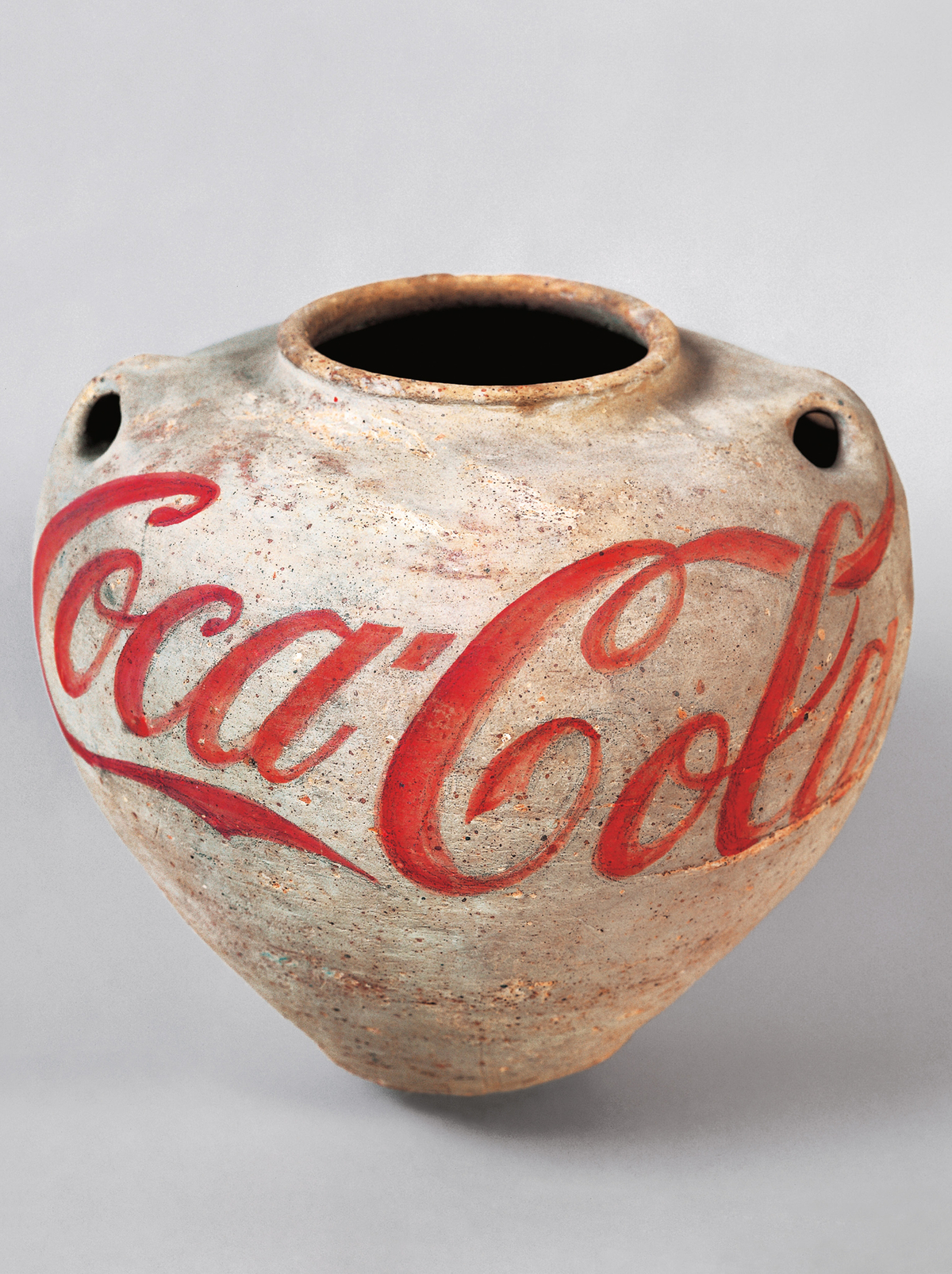
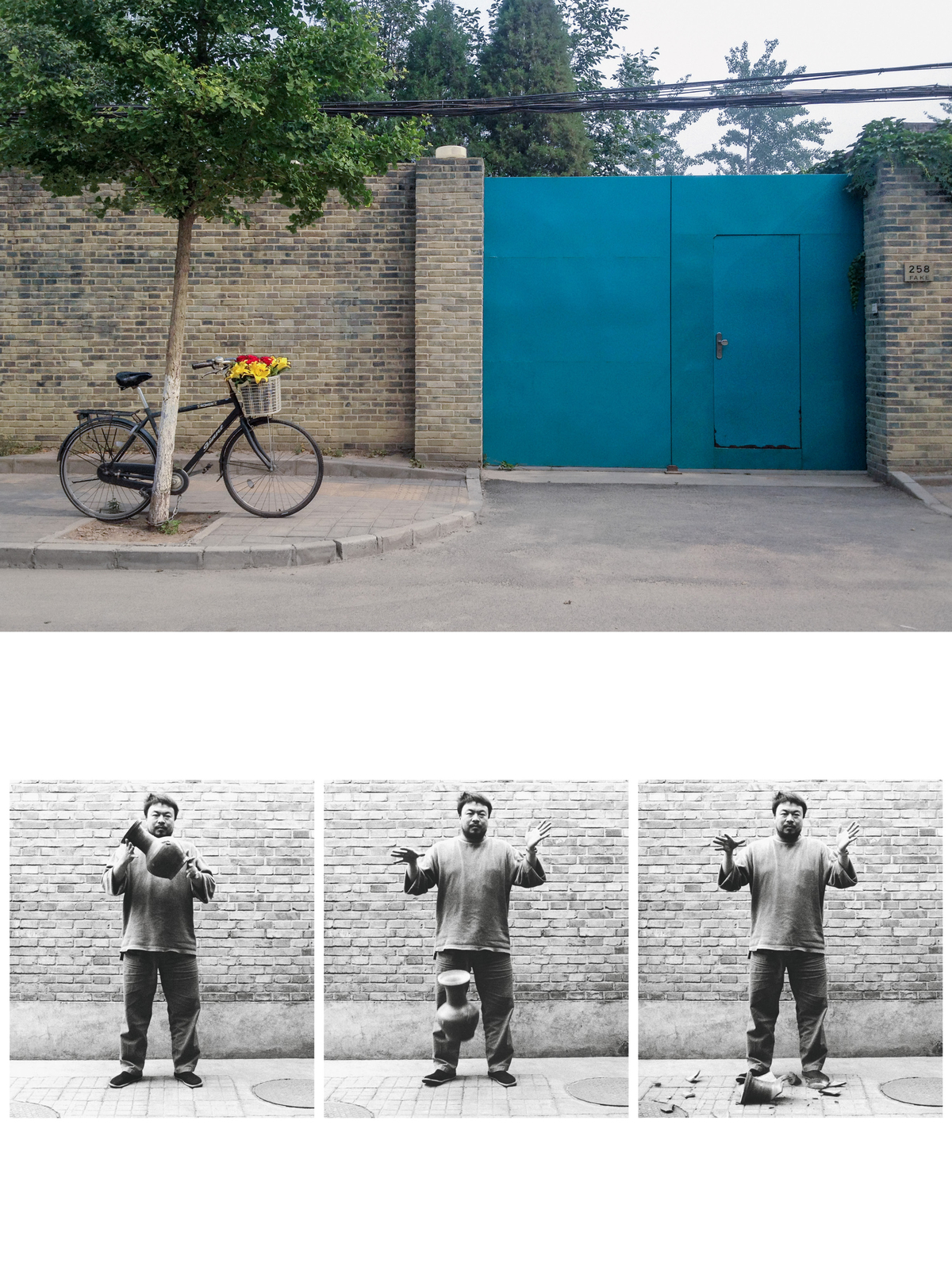
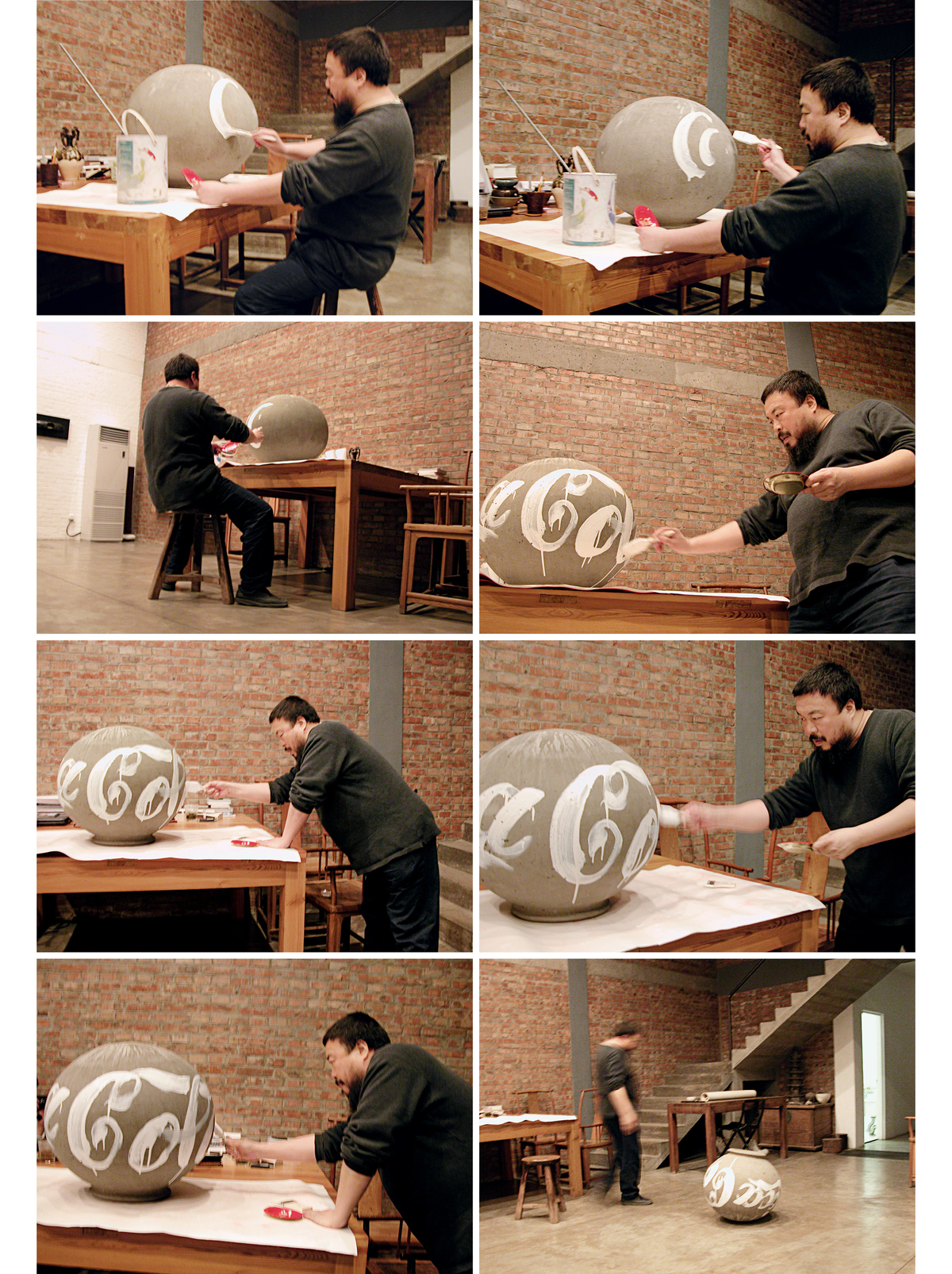
A vocal critic of authoritarianism, government corruption, and human-rights abuses, as well as a staunch defender of freedom of speech, Weiwei has never had difficulty getting his points across. His most revered installations were blunt in their messaging. In 1995, his photographic series Dropping a Han Dynasty Urn—in which he literally dropped and broke a 2,000-year-old urn—invoked the mass destruction of artifacts during China’s Cultural Revolution. And 2010’s Sunflower Seeds, composed of millions of porcelain pieces that viewers walked over, represented the downtrodden Chinese people.