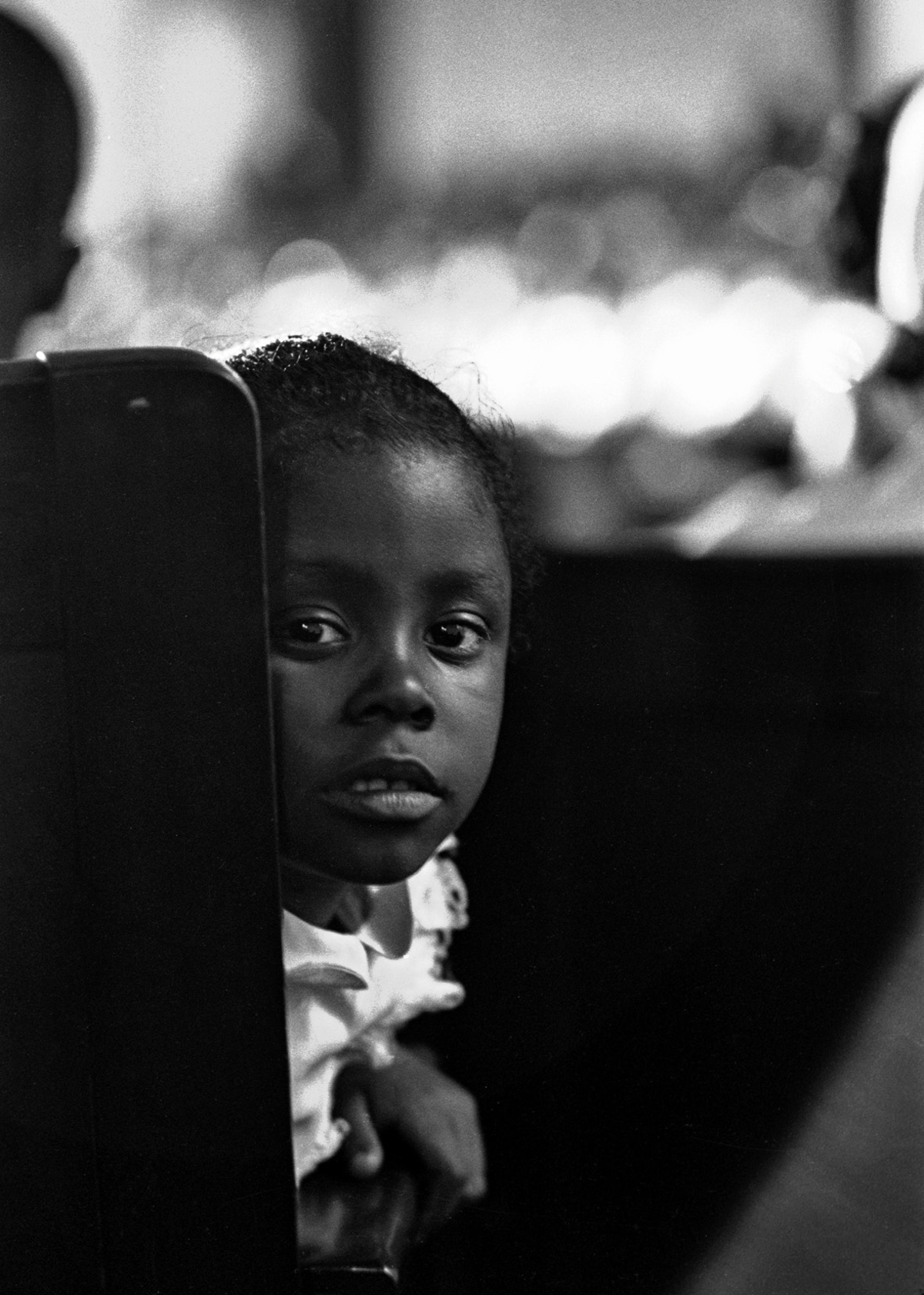
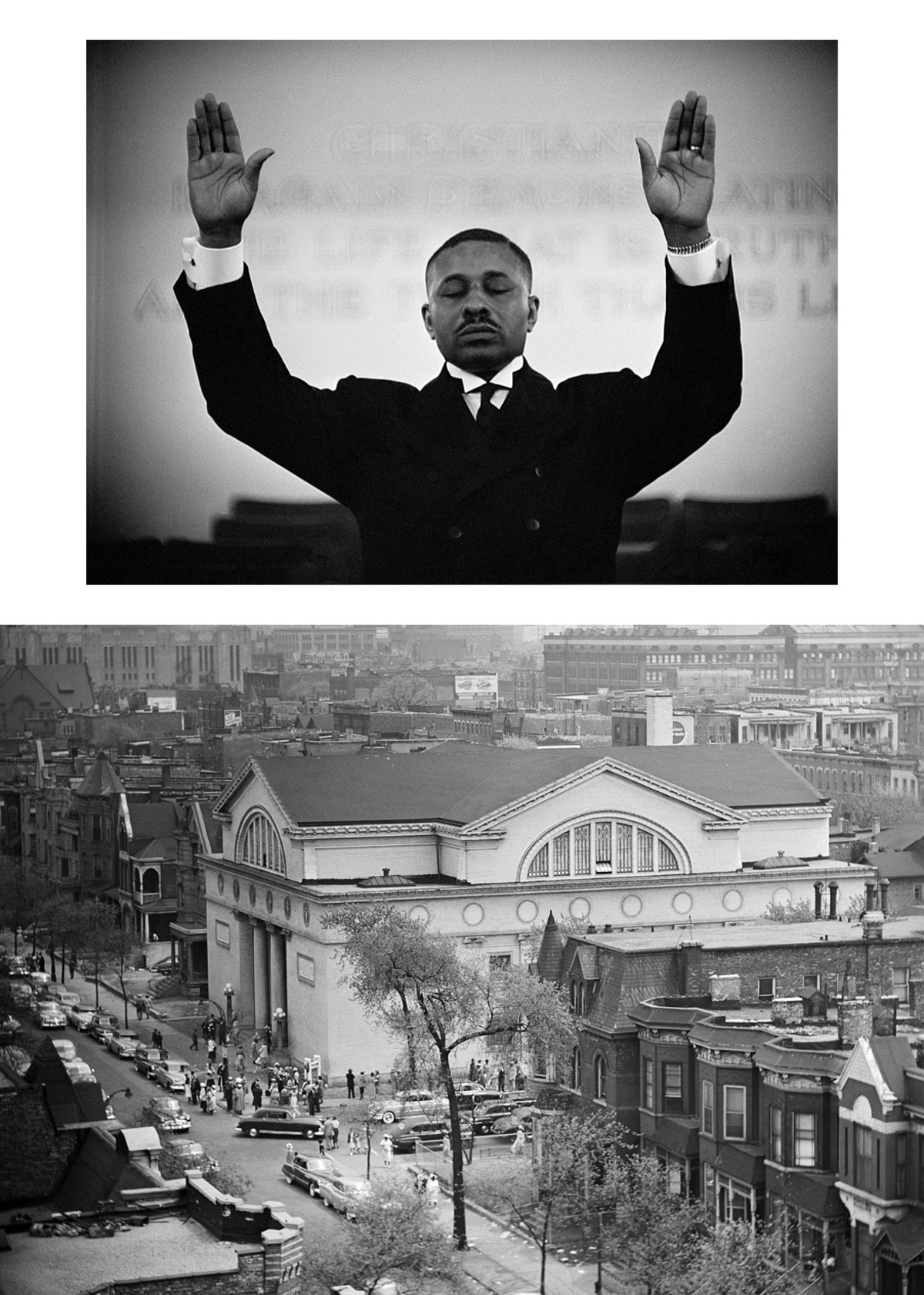
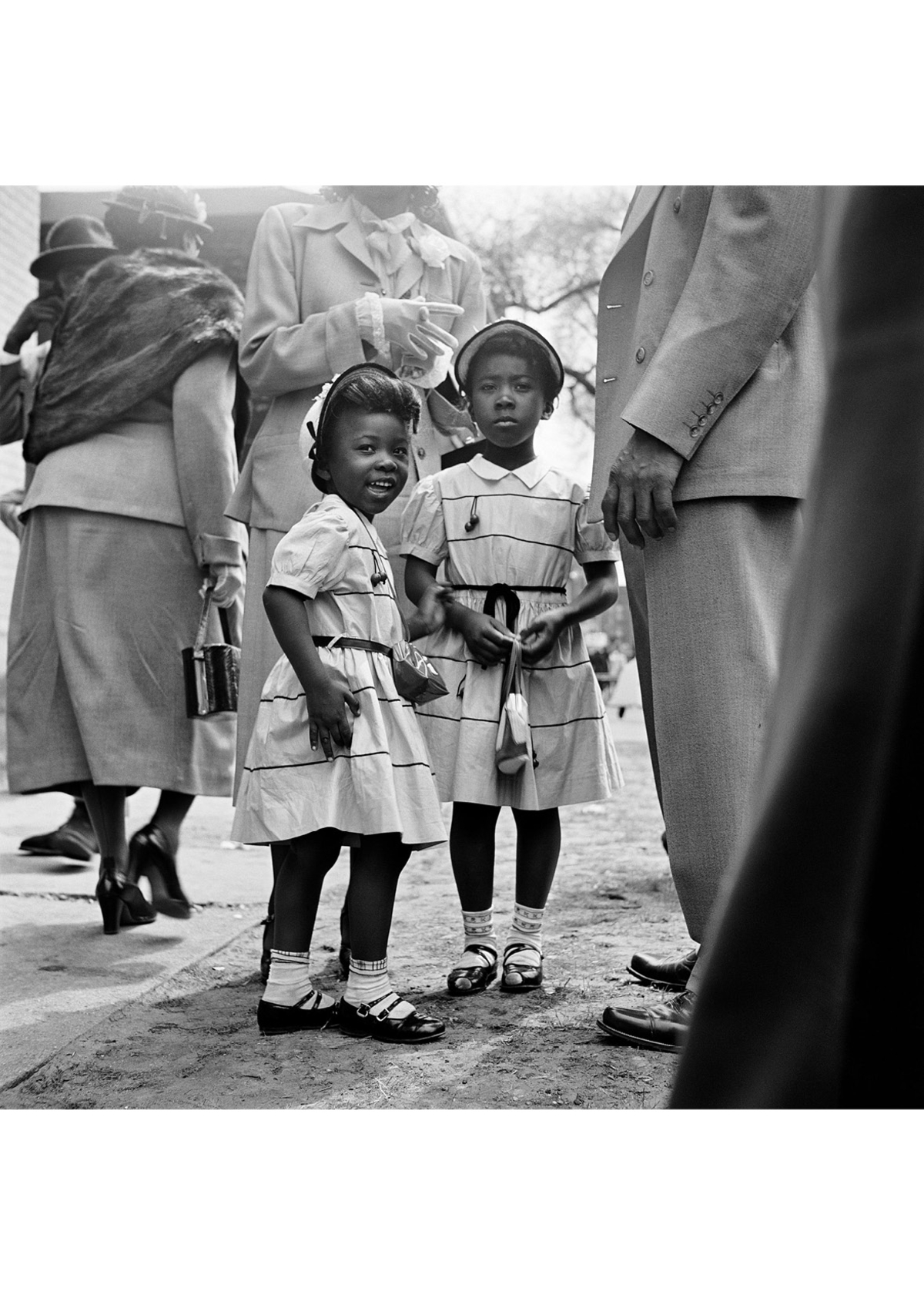
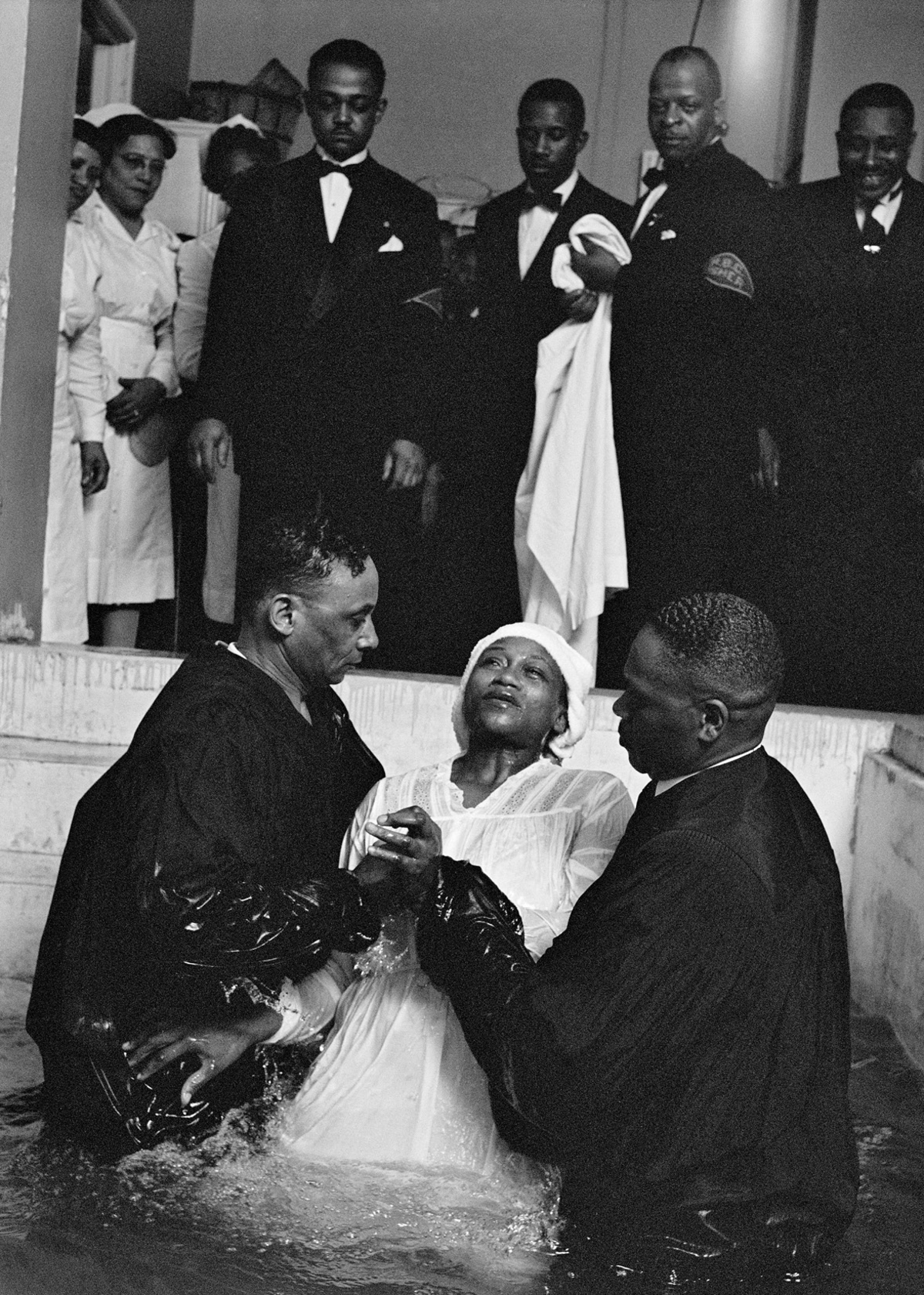
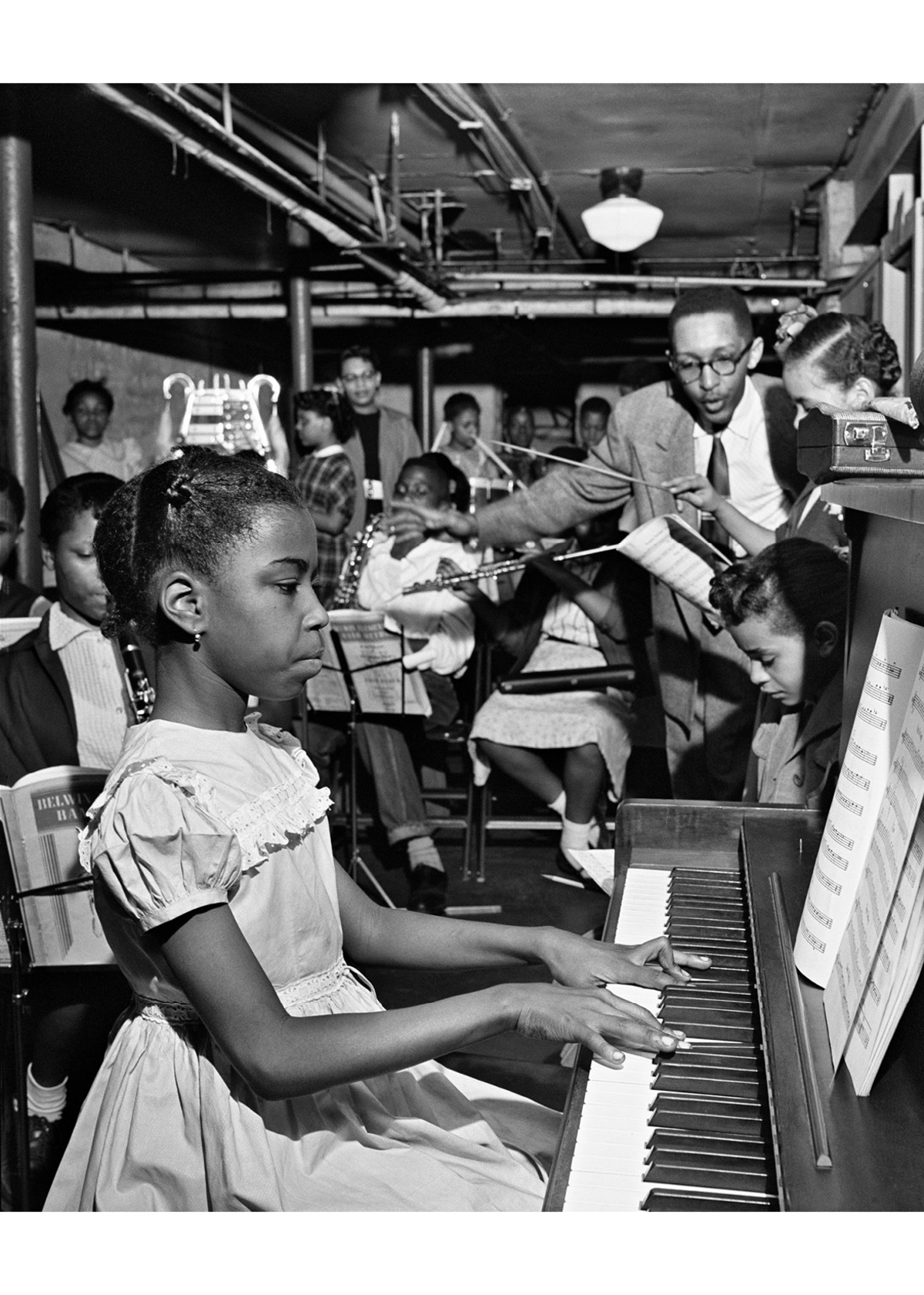
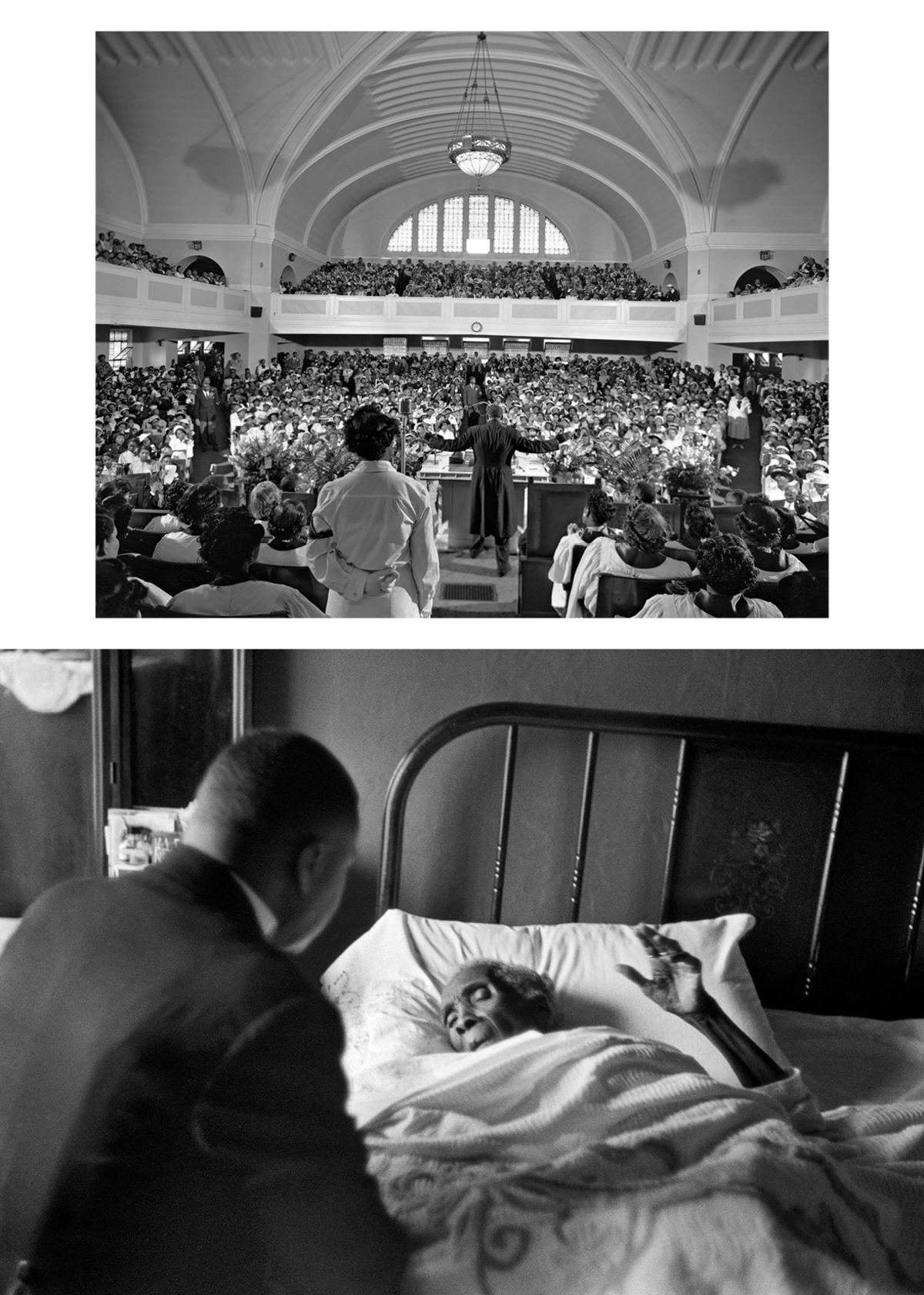
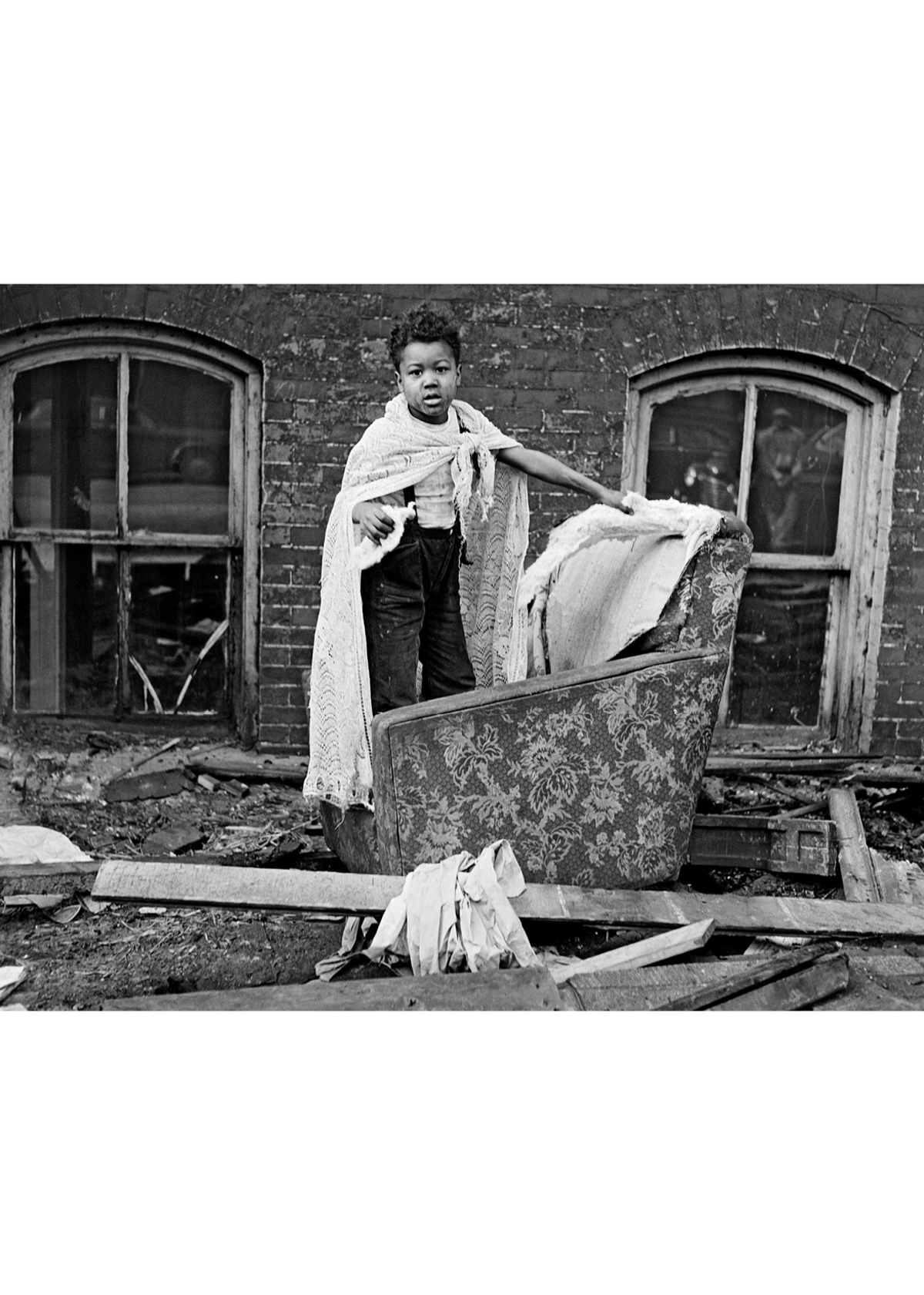
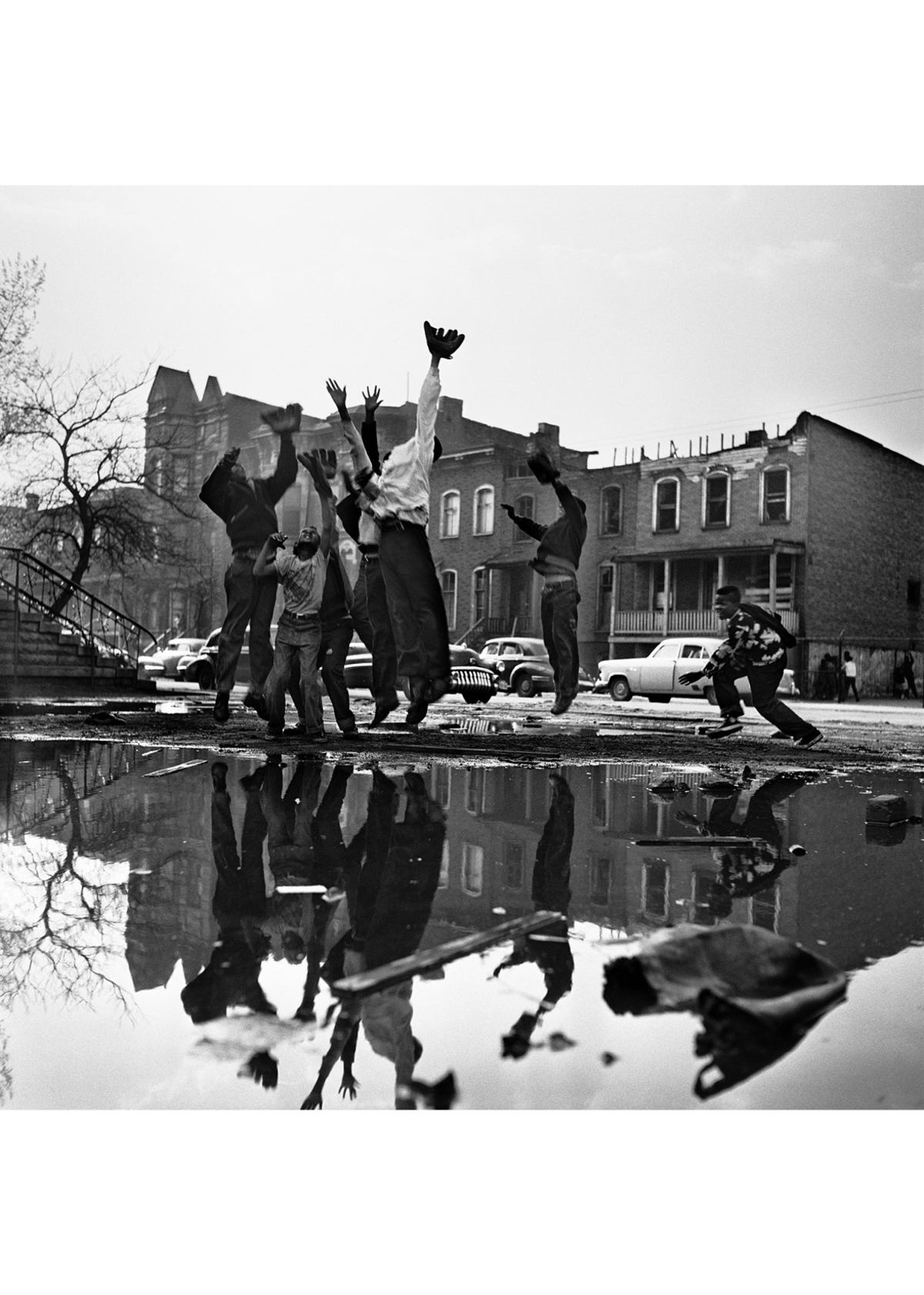
Born in 1912 in Fort Scott, Kansas, the son of a farmer, Gordon Parks said it was the “rural influence” of his upbringing that taught him how to “get close to people and talk to them and get my work done.” The youngest of 15 children, Parks was educated at a segregated elementary school. His youth was full of hardship, discrimination, and a devastating loss: his mother died when he was 14. But those experiences didn’t deter him. They drove him to document what it was to be Black in America.
At 15, after being kicked out of his sister’s home in Minnesota, Parks took up jobs in brothels as a singer, piano player, and waiter; eventually he landed a job as a busboy at an elite gentleman’s club. At 28, inspired by magazine photographs of migrant workers, Parks bought his first camera: a Voigtländer Brillant. It cost $7.50. He would later call it his “weapon against poverty and racism.”