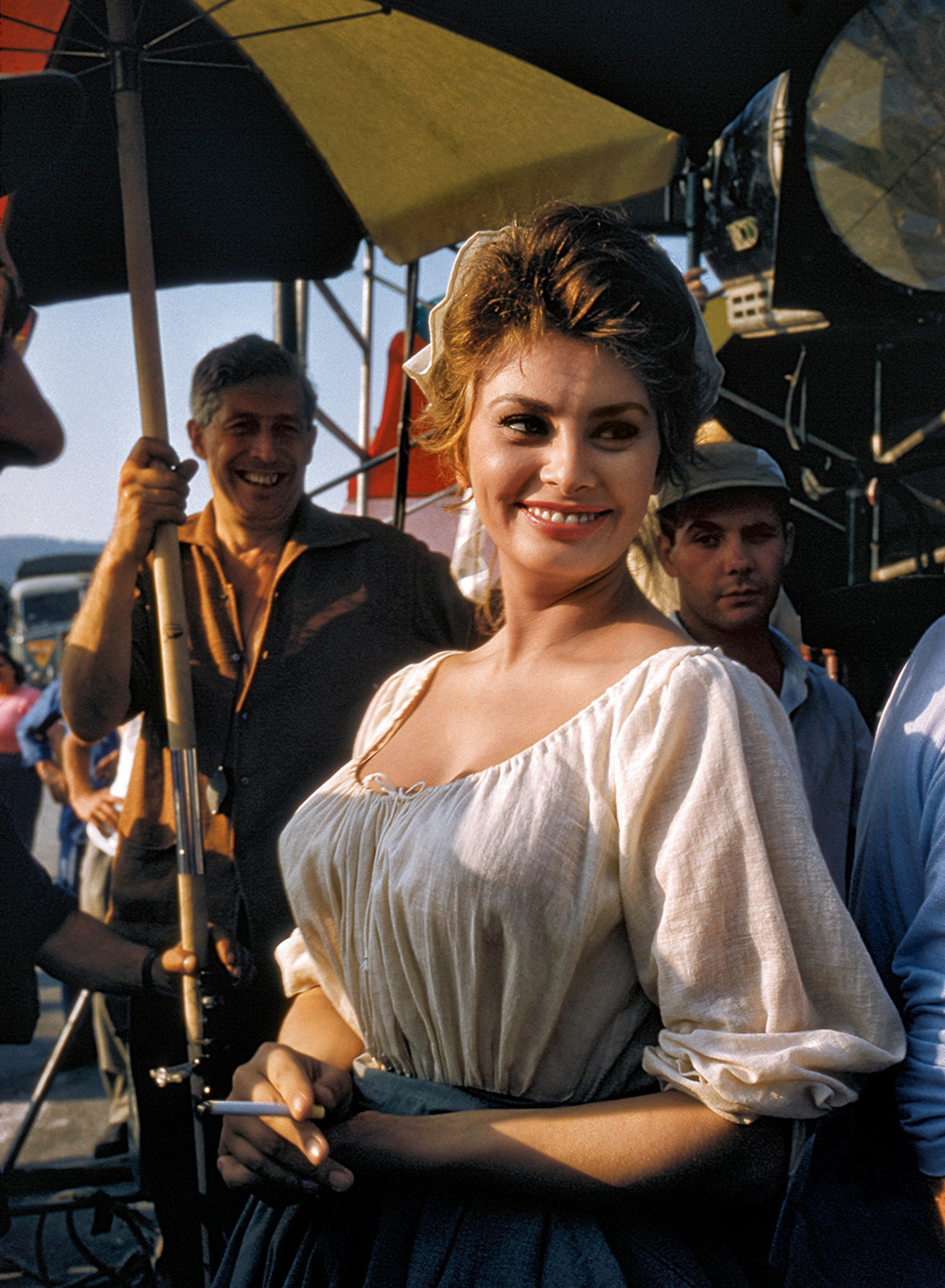
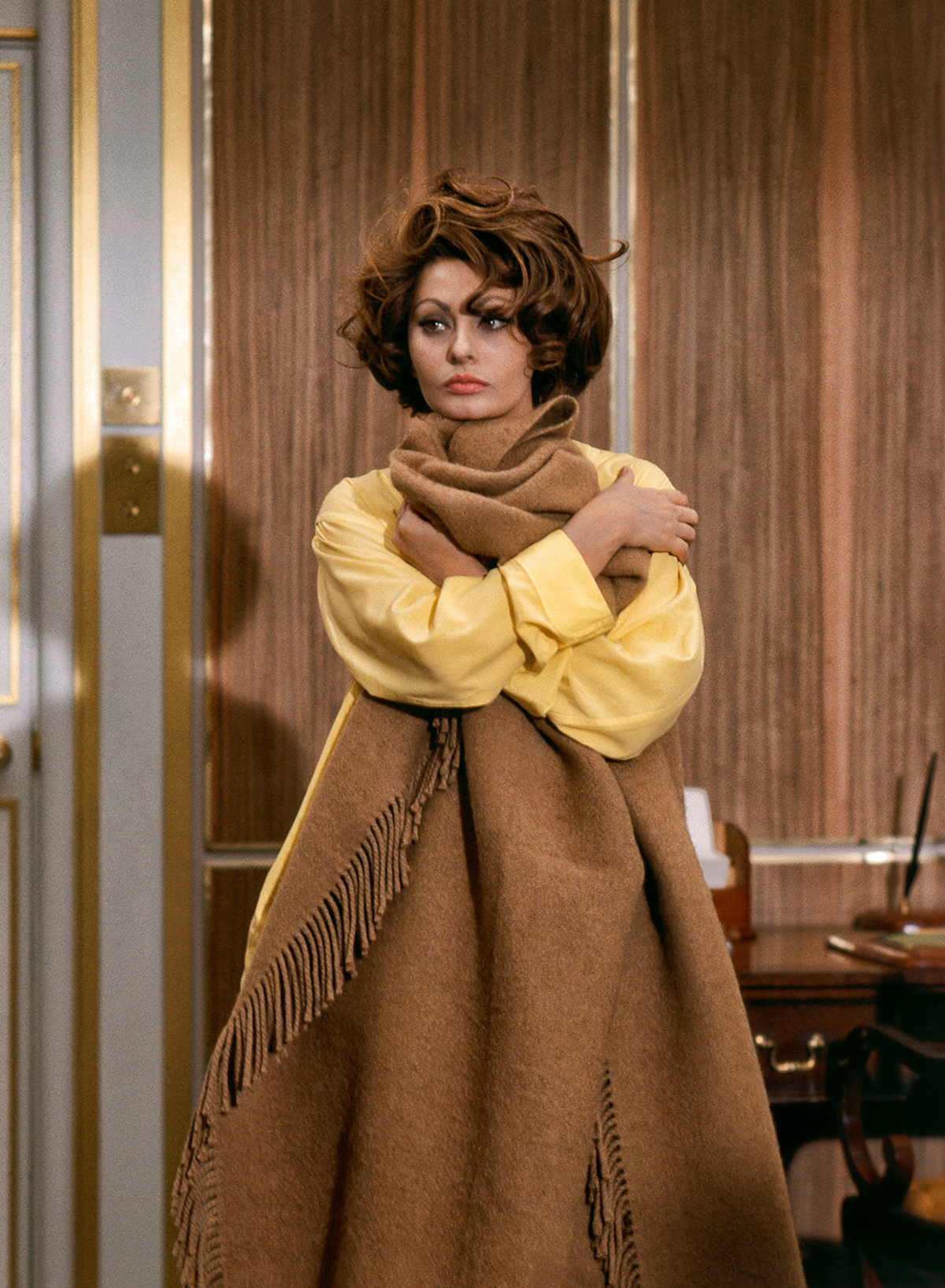
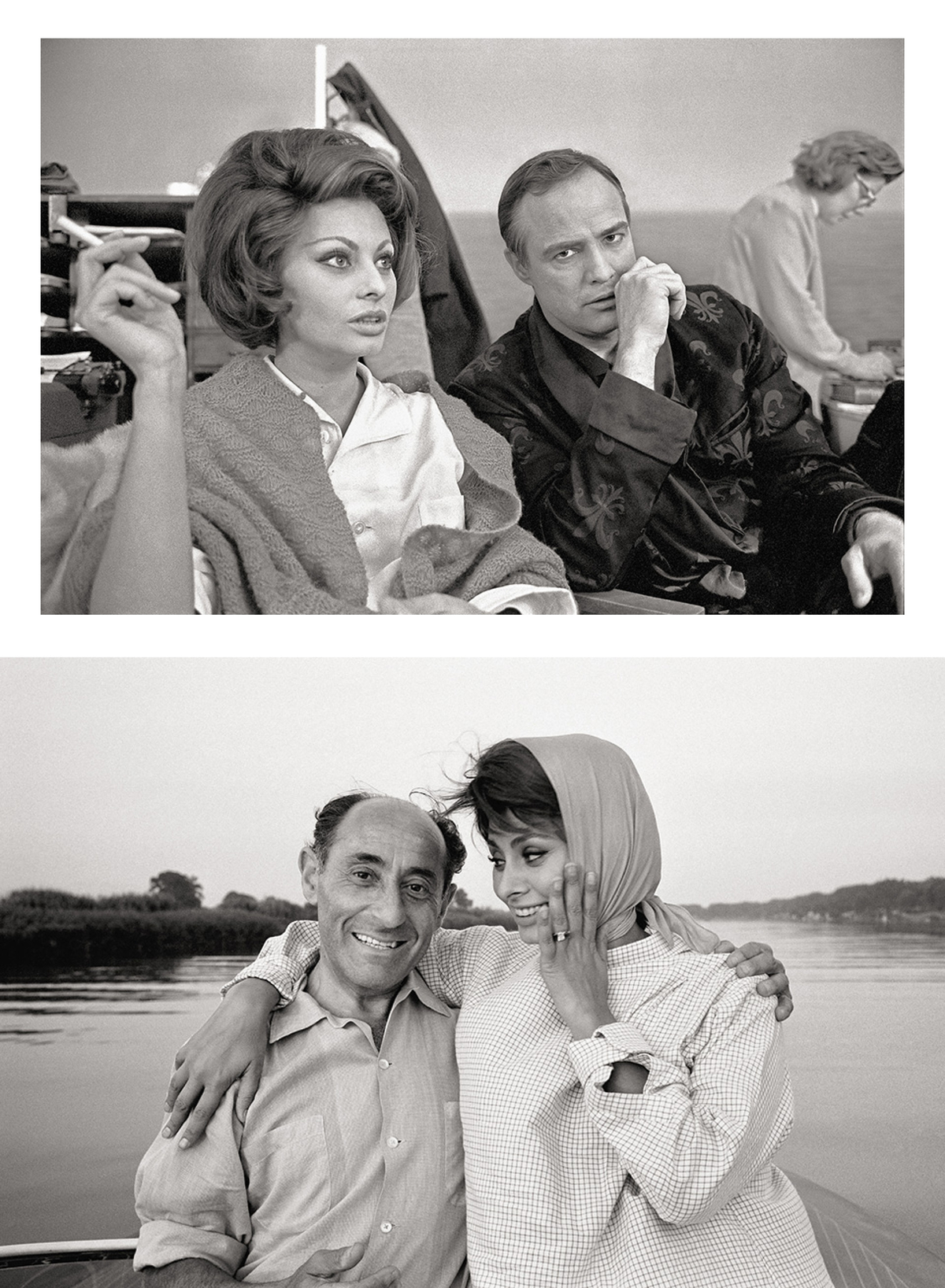
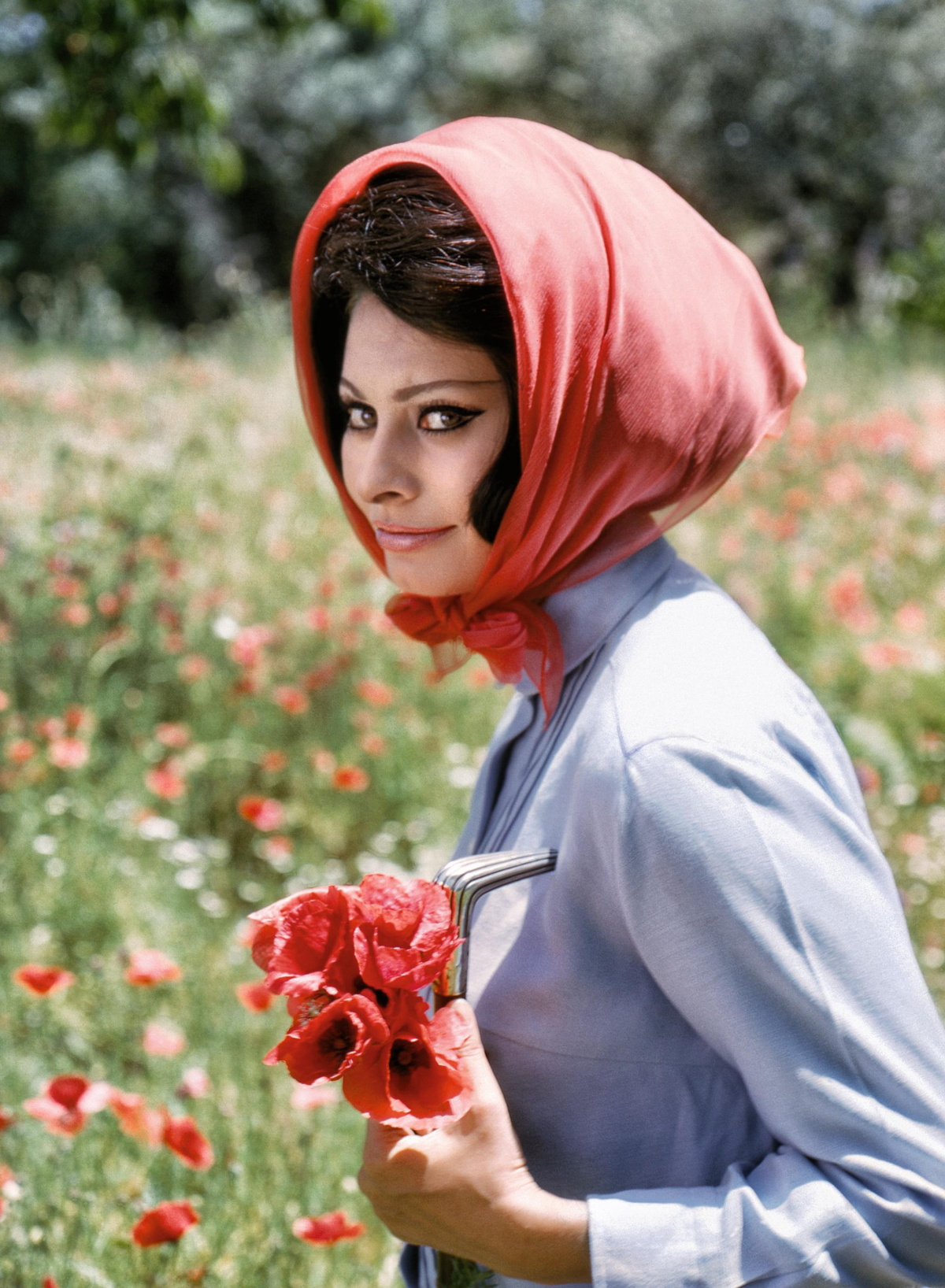
Sophia Loren began her career as did many poor, beautiful girls from Pozzuoli, Naples—in beauty pageants. Soon she appeared in the louche pages of Sogno, a magazine popular among those who couldn’t afford movie tickets. Her first Life-magazine cover dates to August 22, 1955, and features her as a feisty fishmonger in a still from the film Pane, Amore e… The article noted her “indifferent acting ability” but praised her “sensuous beauty and physique.” Loren was destined for more.
In 1958, she signed a five-picture deal with Paramount. Around the same time, one of Life’s seasoned photographers, Alfred Eisenstaedt—known as “Eisie” (pronounced I-zee)—struck up a photographer-subject relationship with her. Over four decades, Eisie would photograph Loren more than 50 times.
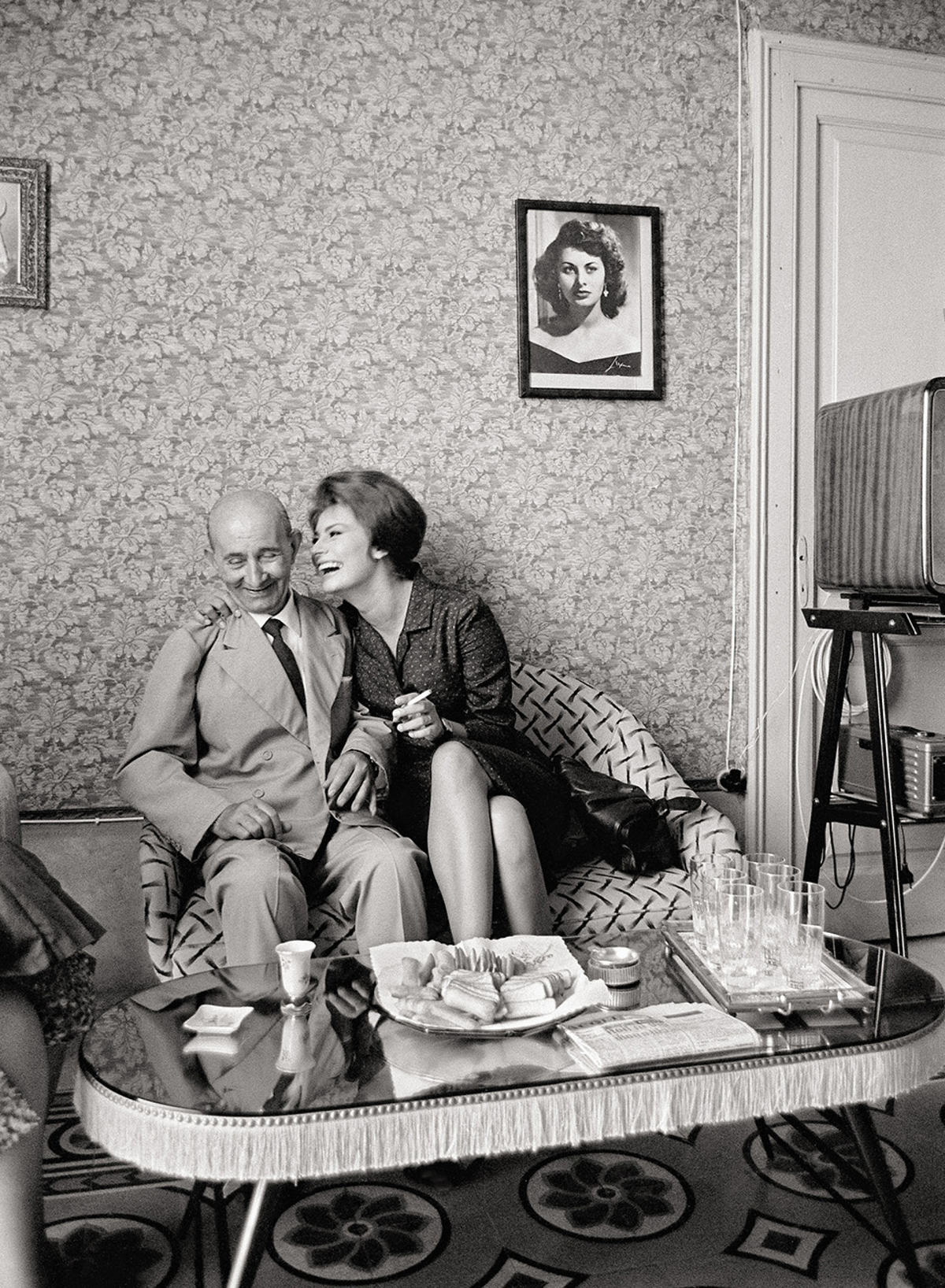
It all began in a cafeteria. “As we talked, I took pictures with a 90-mm lens,” Eisenstaedt recalled. “It was all very relaxed and natural—the best kind of atmosphere for a photographer.” He wanted to move past Loren’s bonbon exterior. Later, he photographed her in the cramped apartment where she had grown up. He was documenting a metamorphosis, watching a Neapolitan girl dissolve into a Hollywood star.
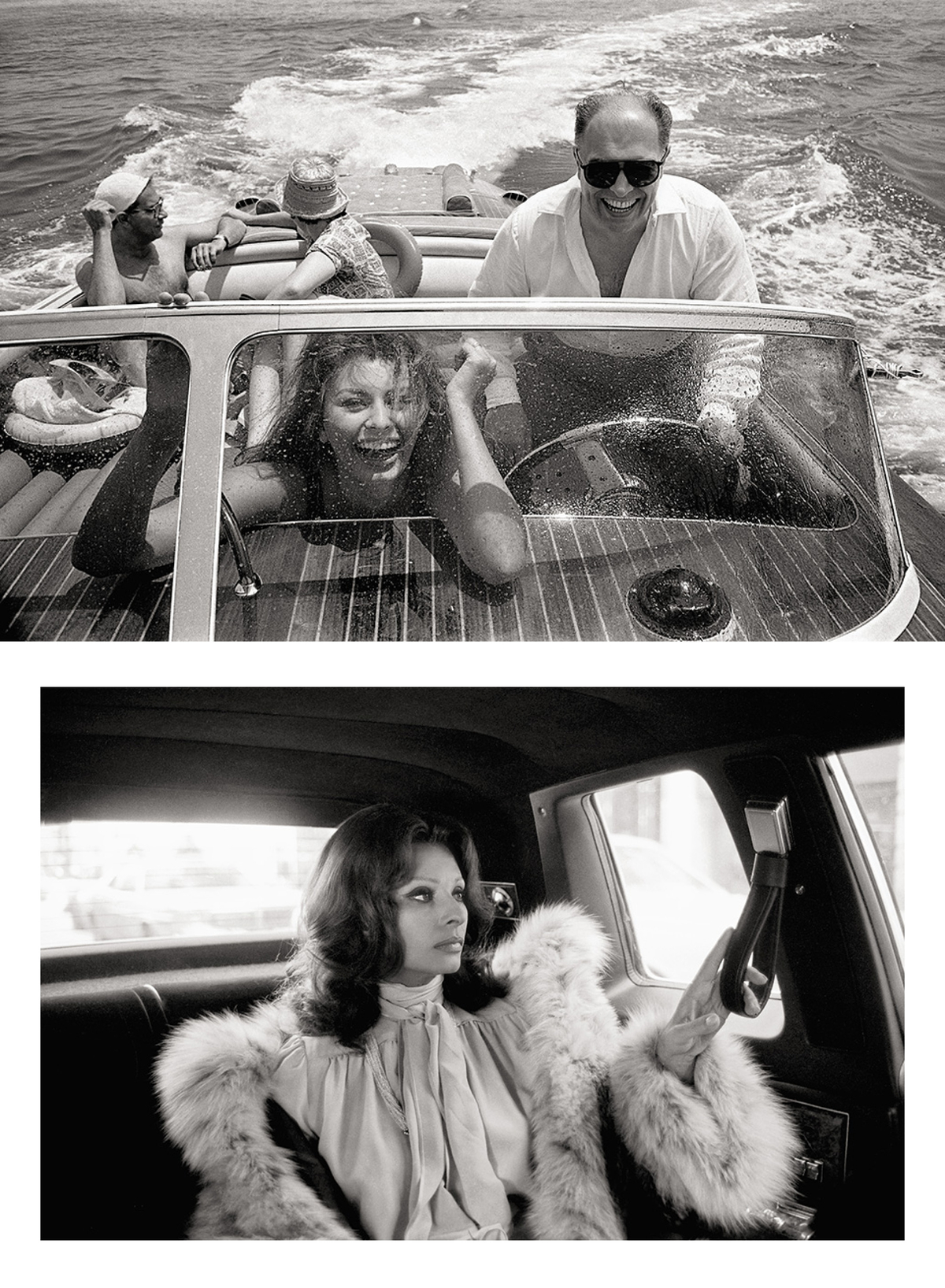
In 1961, Life documented a warm, teasing exchange between Loren and her soon-to-be husband, the film producer Carlo Ponti, in Ischia. When reporters caught them outside his office, Ponti mockingly told them, “I don’t really like her.” Loren shot back, “That’s right, but he needs the publicity.”
He was documenting a metamorphosis, watching a Neapolitan girl dissolve into a Hollywood star.
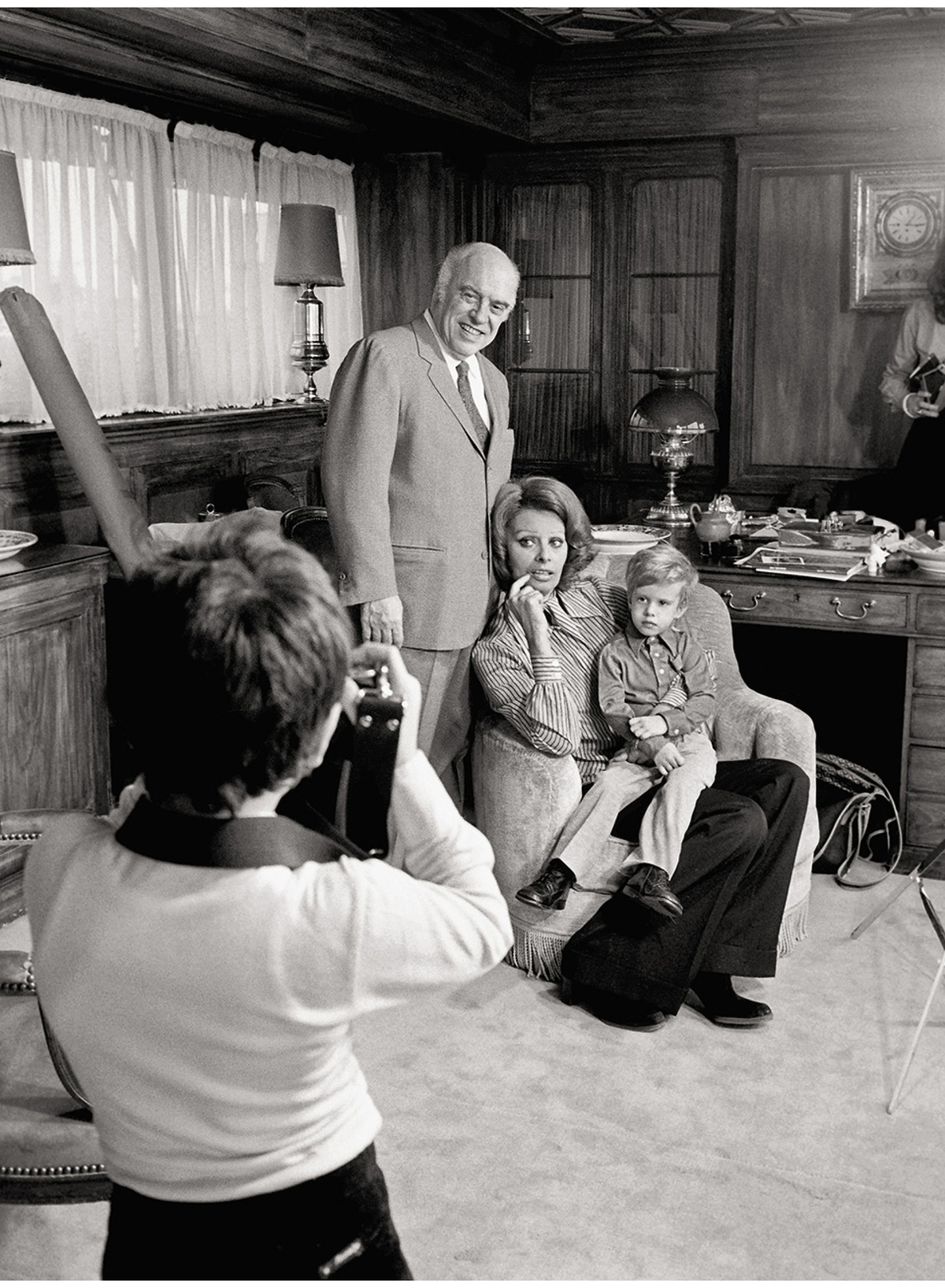
By 1964, Eisenstaedt—whom Loren had started calling “her shadow”—was photographing her at home at Villa Sara, a 16th-century estate in the hills of Albano, 30 minutes from Rome, a gift from Ponti. Two years later, Eisenstaedt captured her in sheer boudoir garments for Vittorio De Sica’s film Marriage Italian Style. In 1971, he photographed the new mother with her baby, Carlo junior.
In 1976, using artificial light to photograph Loren in Paris in a polka-dot dress, Eisenstaedt had to cover every window with rugs and shawls to block the daylight. When he finished and began taking down the coverings, he joked that photographers always leave a mess. “But you are not a photographer,” Loren told him. “What am I?” he asked. “You are a friend.” They would stay friends until his death, in 1995.
Taschen’s new book, Sophia: Photographs by Alfred Eisenstaedt 1961–1979, celebrates that friendship with hundreds of images, the majority previously unpublished. “She was,” Eisie remembered, “the most captivating and the nicest and the most hardworking actress I’ve ever met.” —Elena Clavarino
Elena Clavarino is a Senior Editor at AIR MAIL