


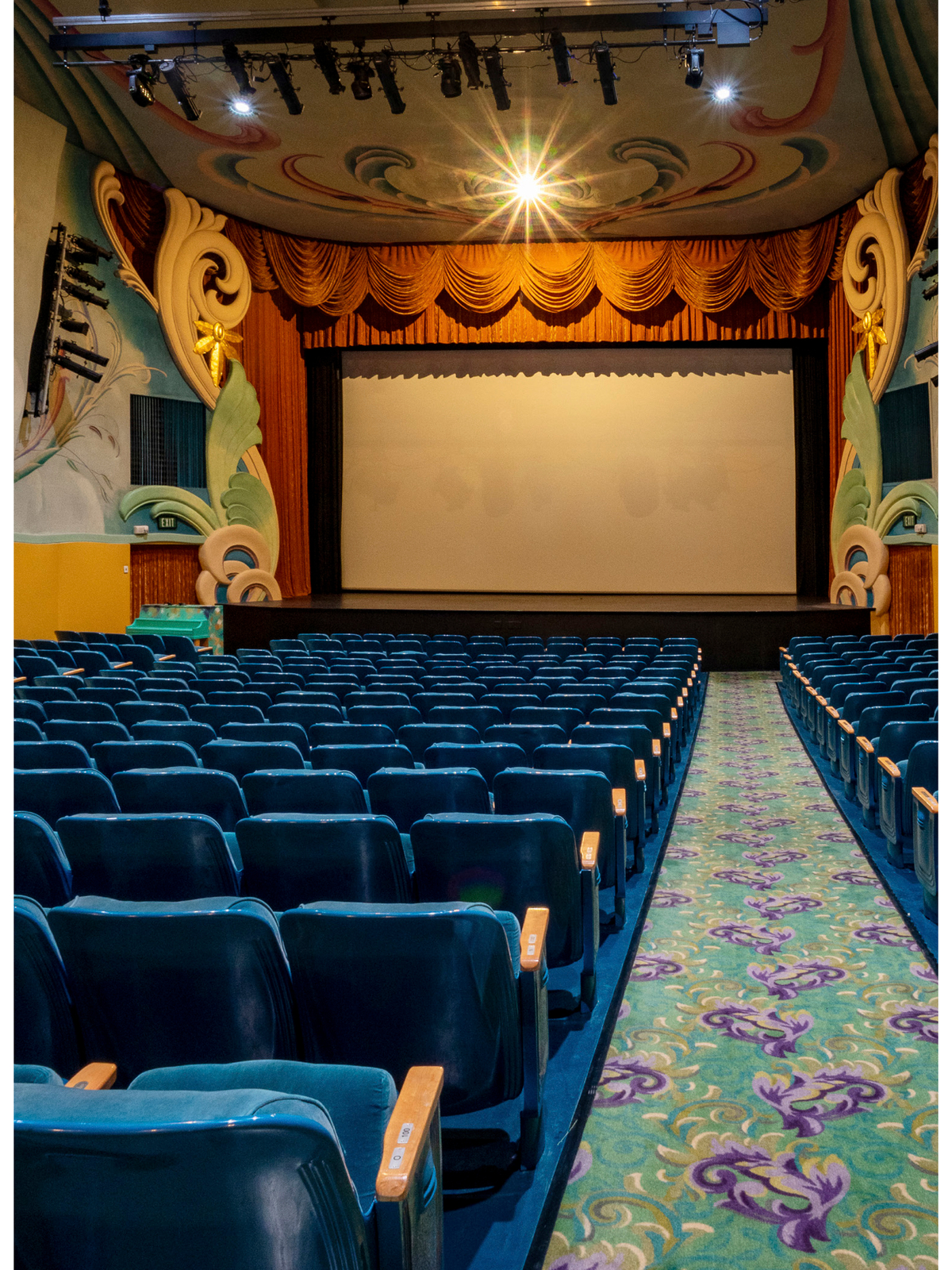


At New York City’s Astor Theatre, crowds lined up for hours in December 1939, hoping to score a ticket for the four-hour epic Gone with the Wind. The film had premiered in Atlanta just days earlier—to the same frenzy—then arrived in Los Angeles a few days later, just in time for the Oscar deadline. By October 1940, two and a half million people had seen Clark Gable’s Rhett Butler tell Vivien Leigh’s Scarlett O’Hara, “Frankly, my dear, I don’t give a damn.”
The film was America’s second major blockbuster (the first, 1915’s The Birth of a Nation, was summed up by Roger Ebert as “a great film that argues for evil”), and it helped establish moviegoing as a cultural pastime. Miss a big release, and you risked feeling out of the know. Think Jaws in 1975—the first major film to open nationwide rather than city by city—or “Barbenheimer” a couple of years ago. And don’t get me started on the selling and reselling of tickets for The Odyssey in Imax 70 mm. this summer.