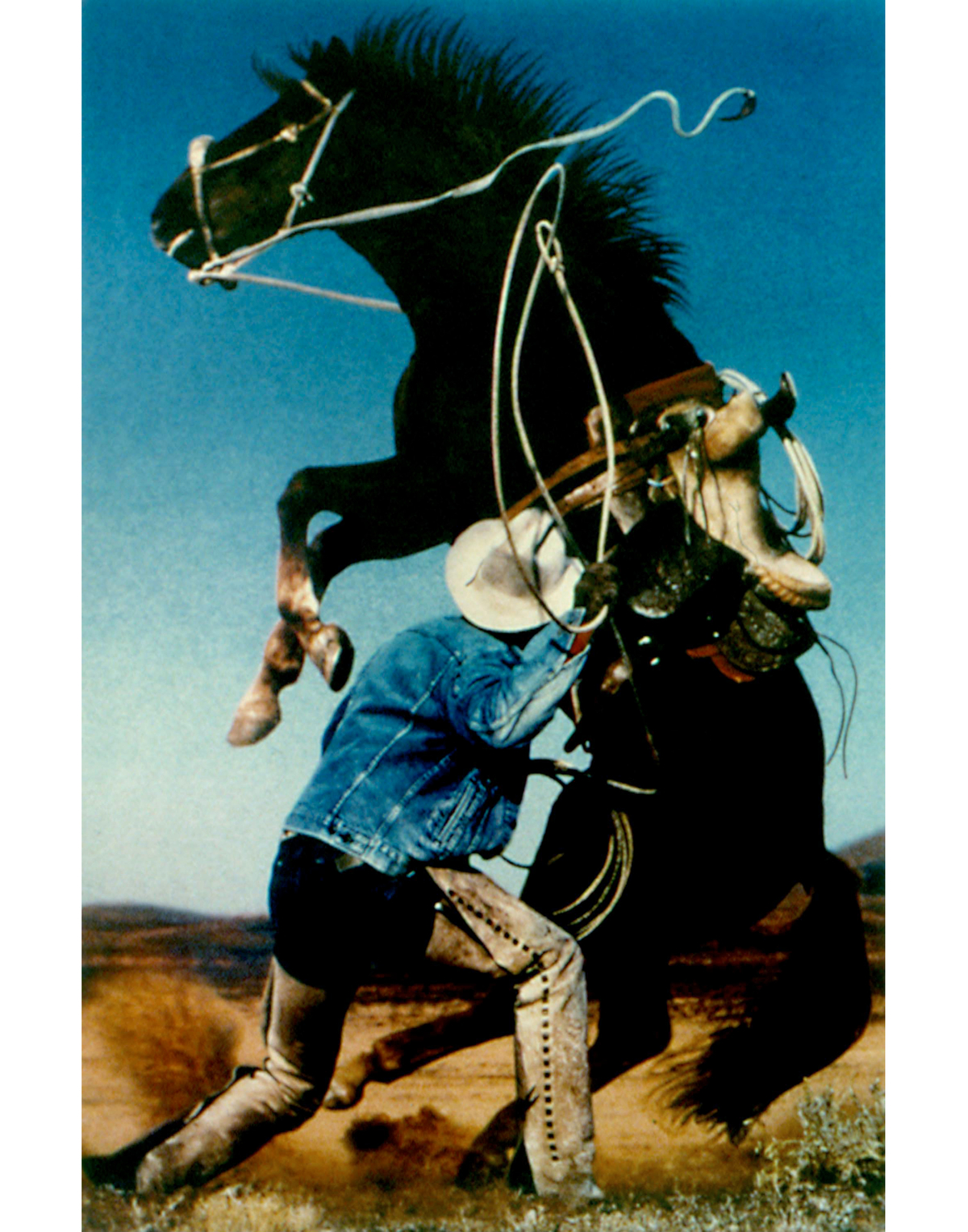
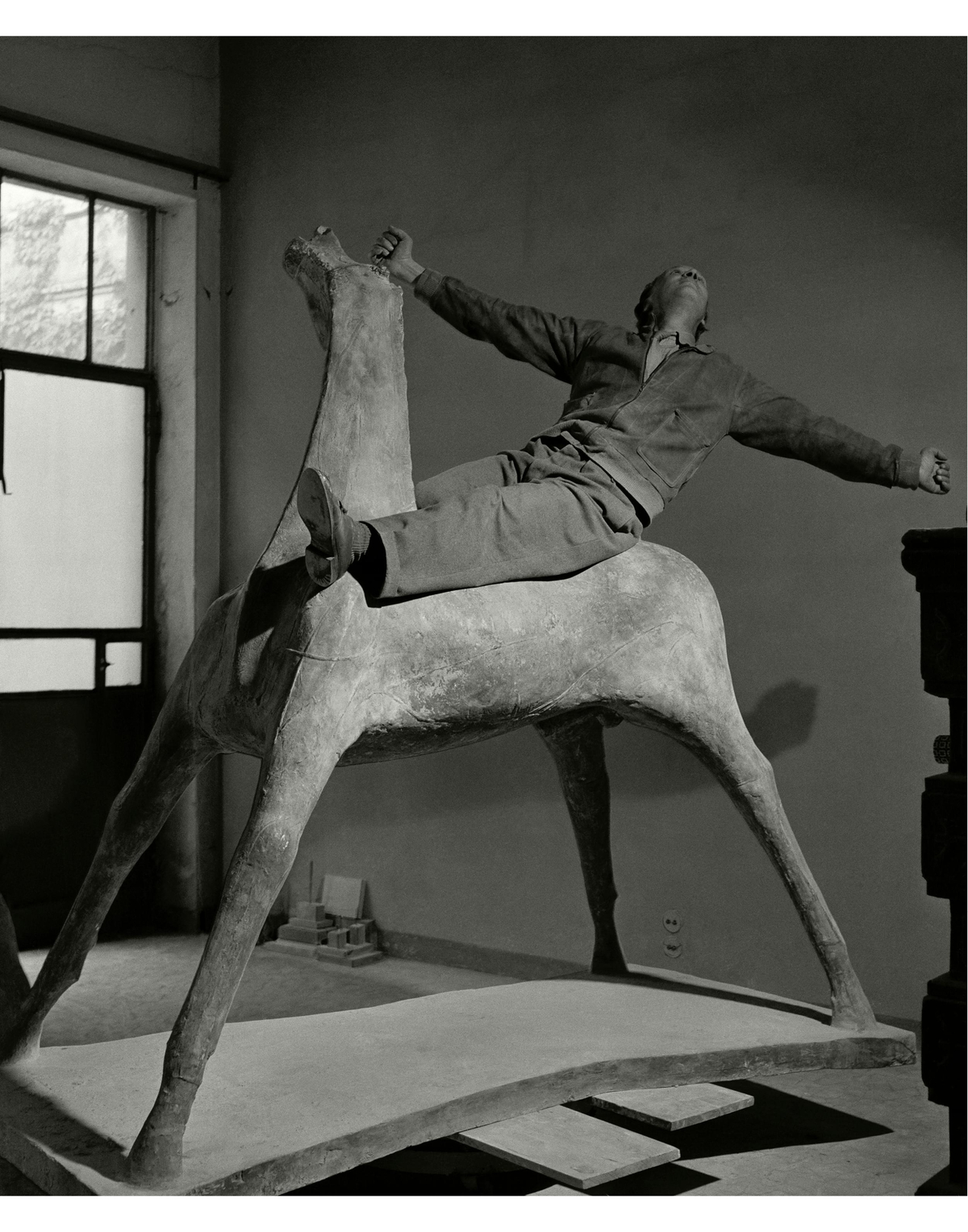
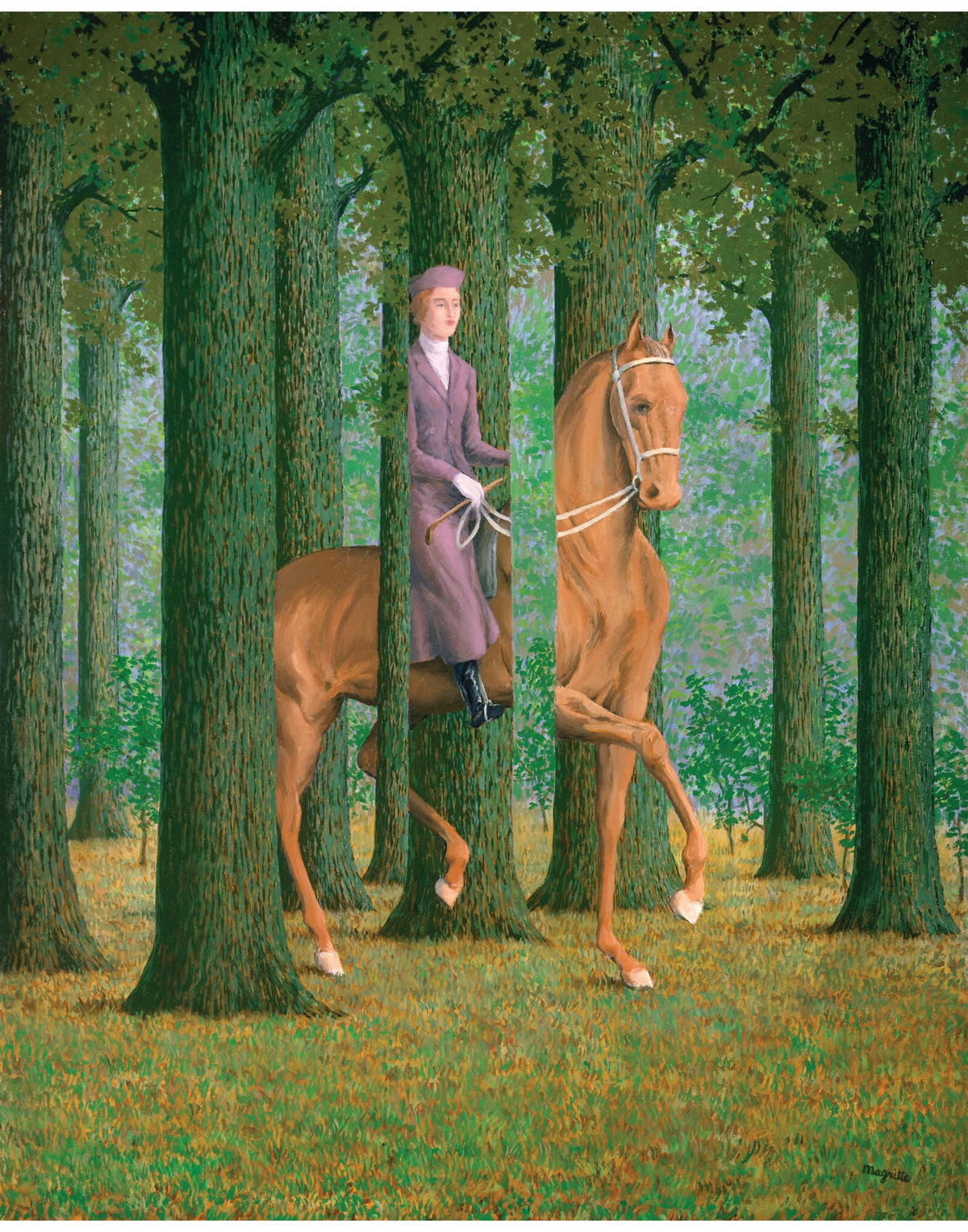
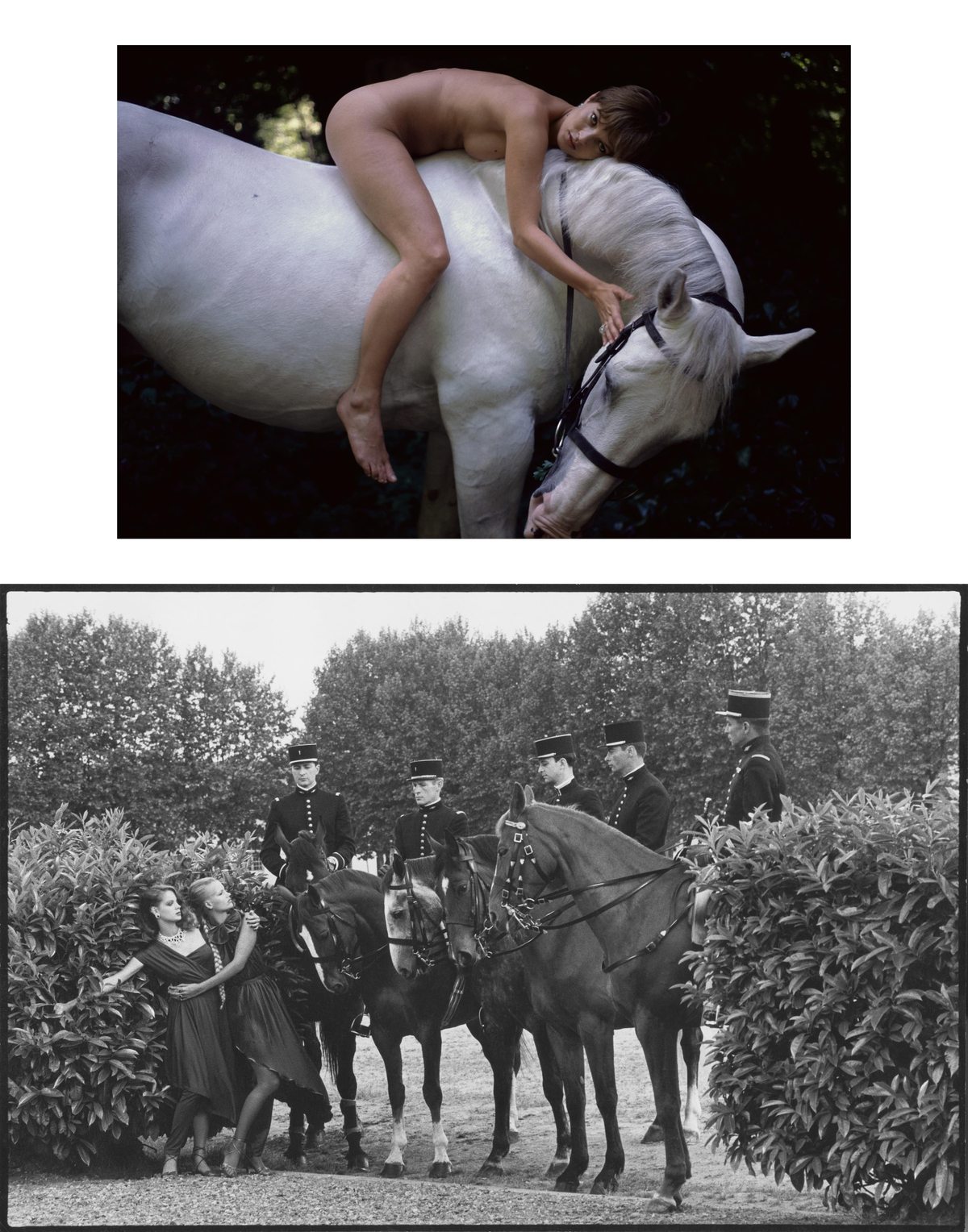
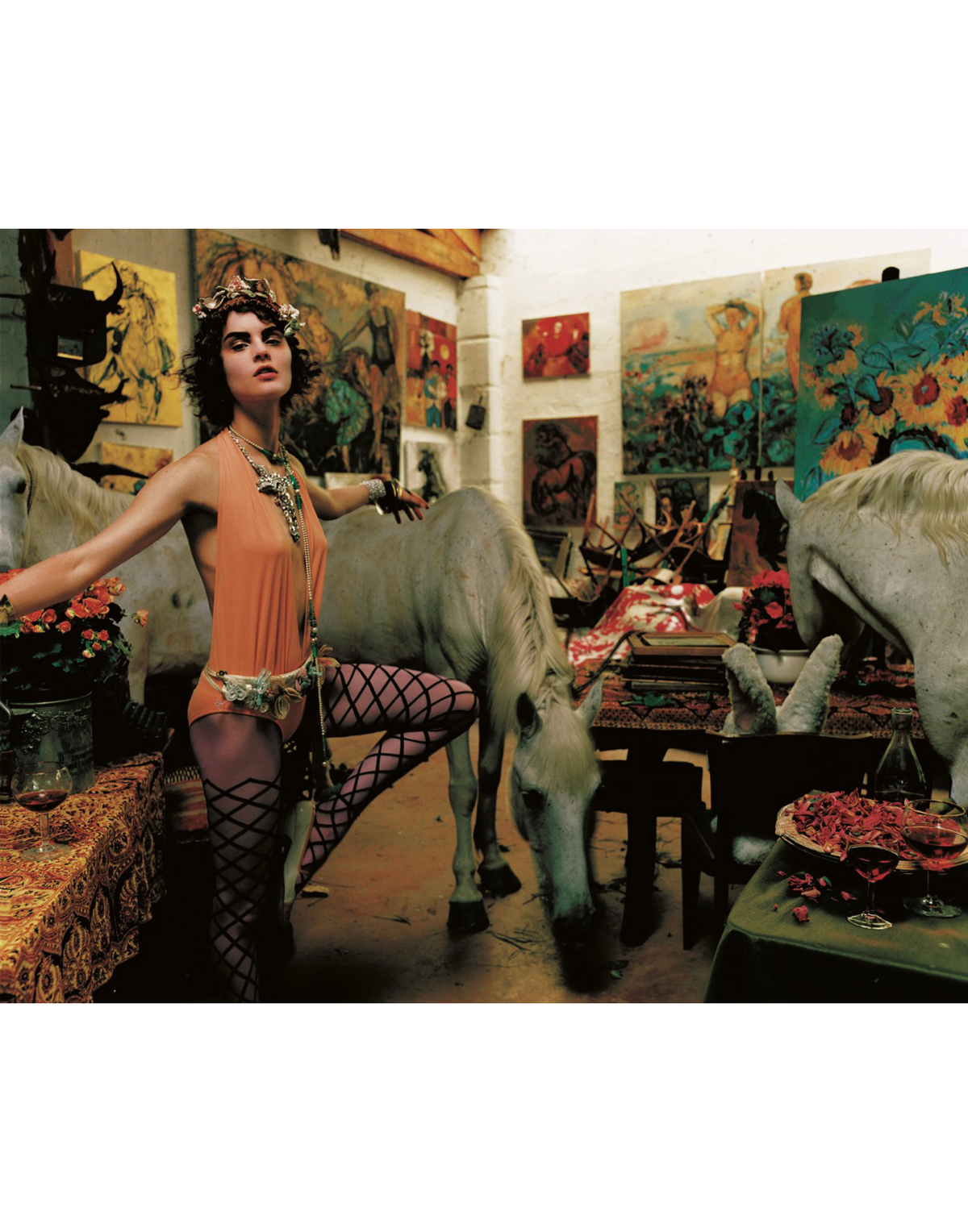
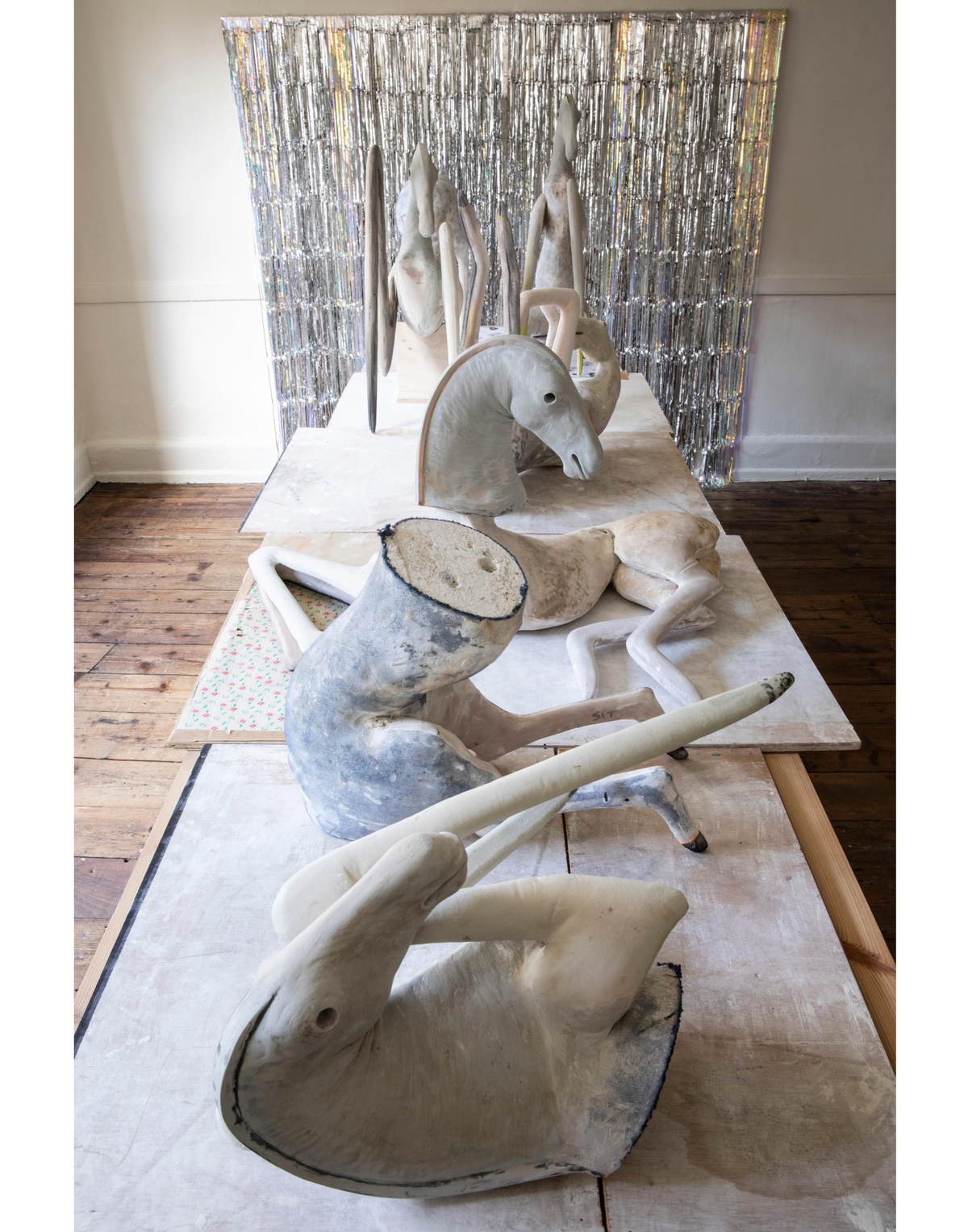
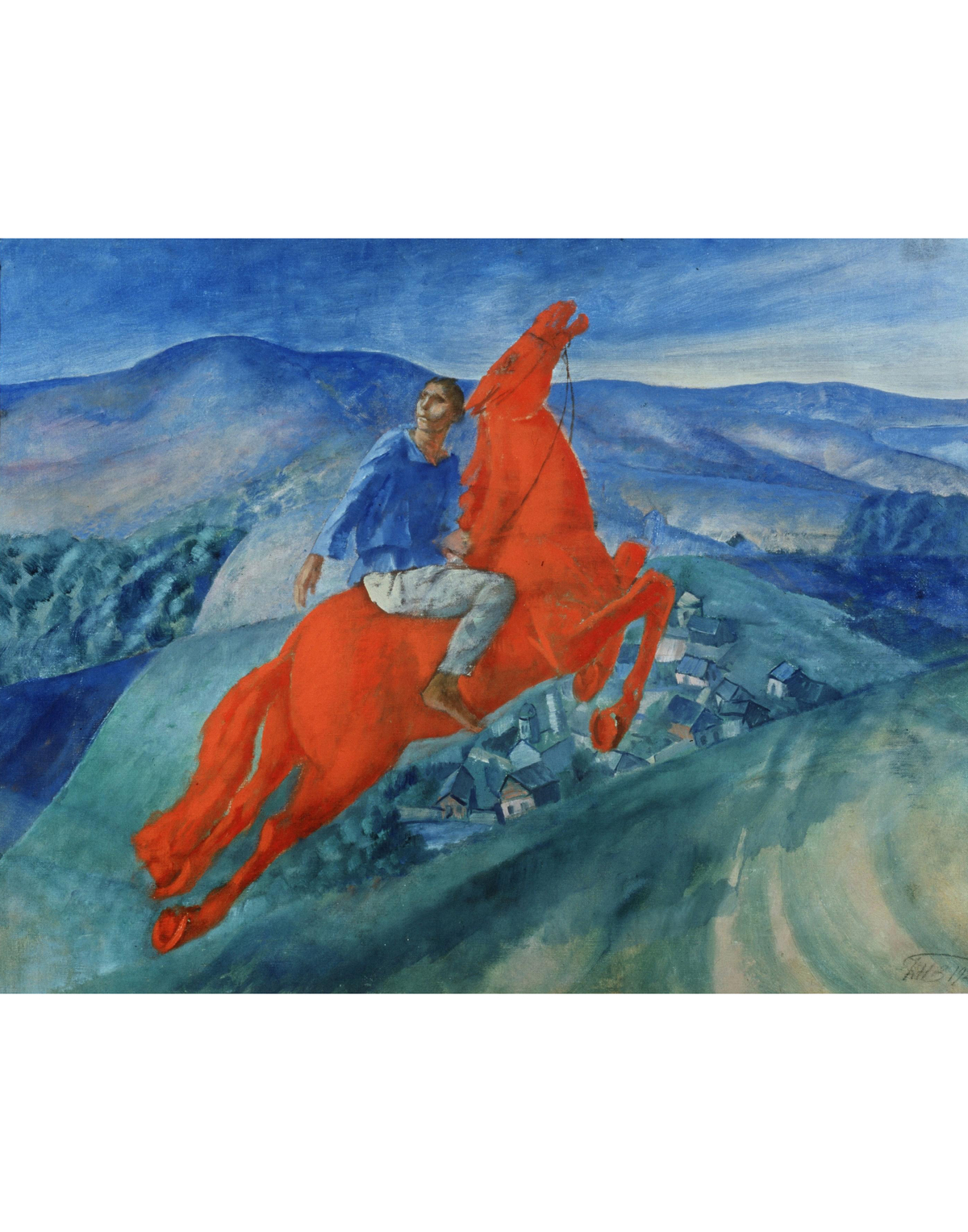
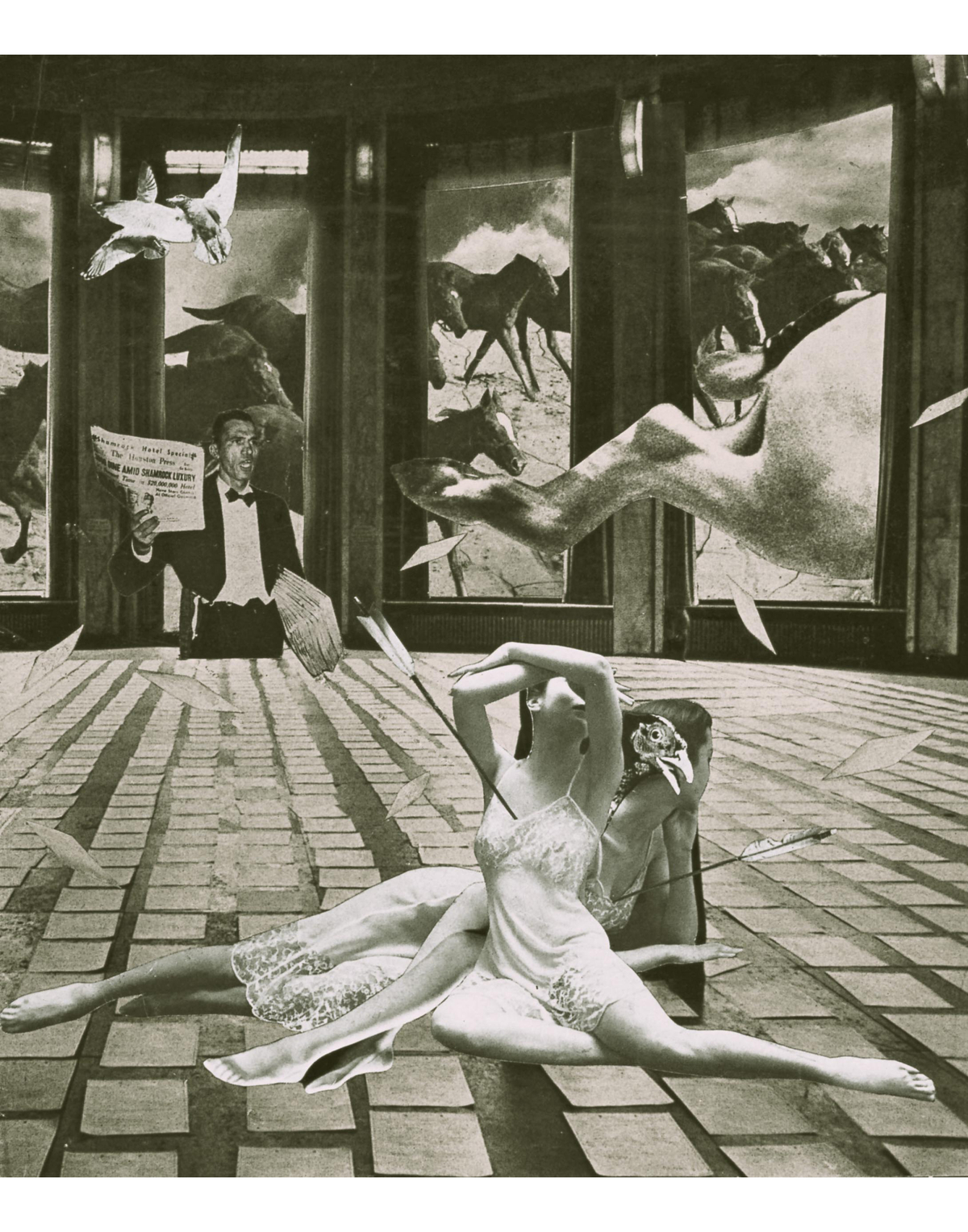
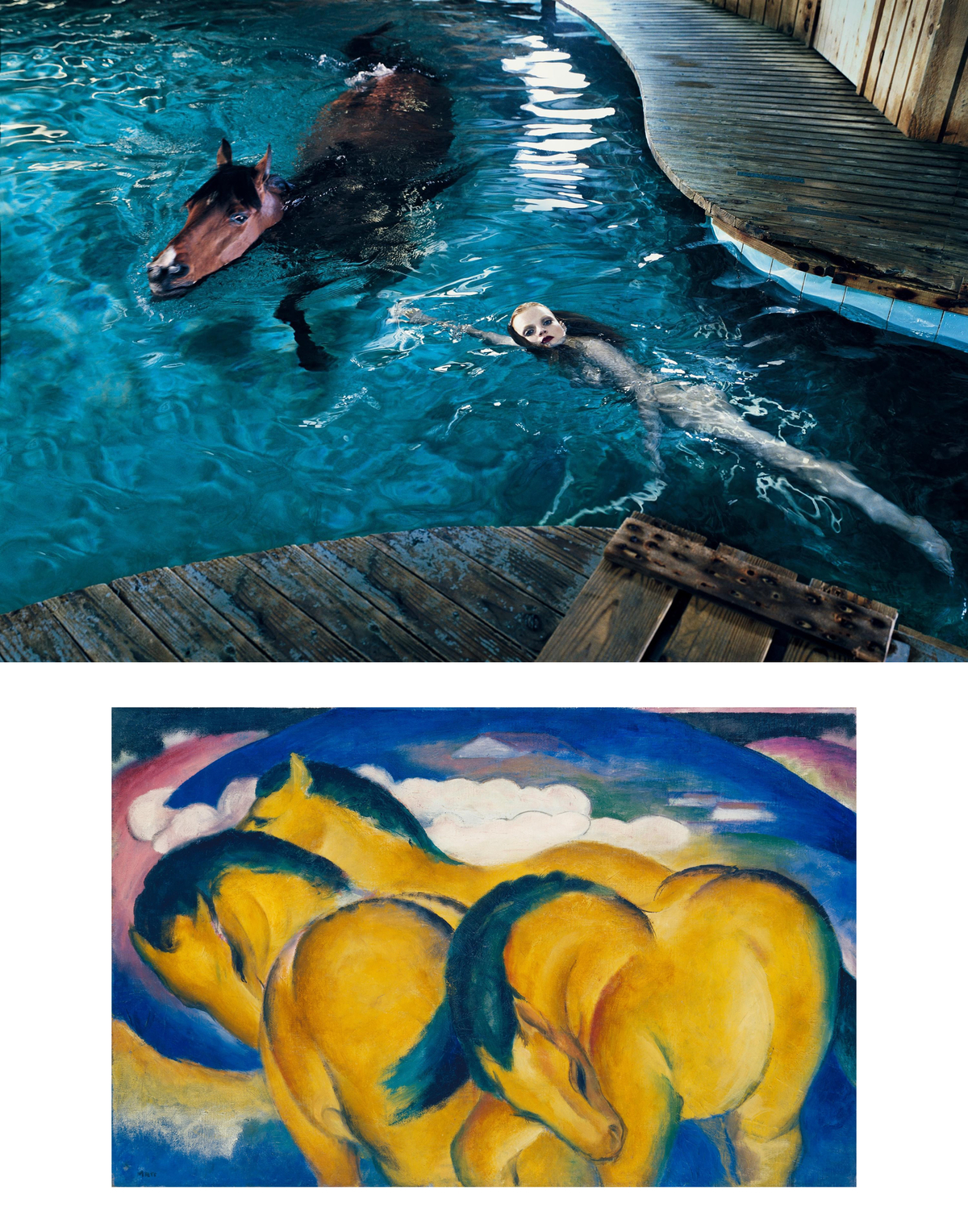
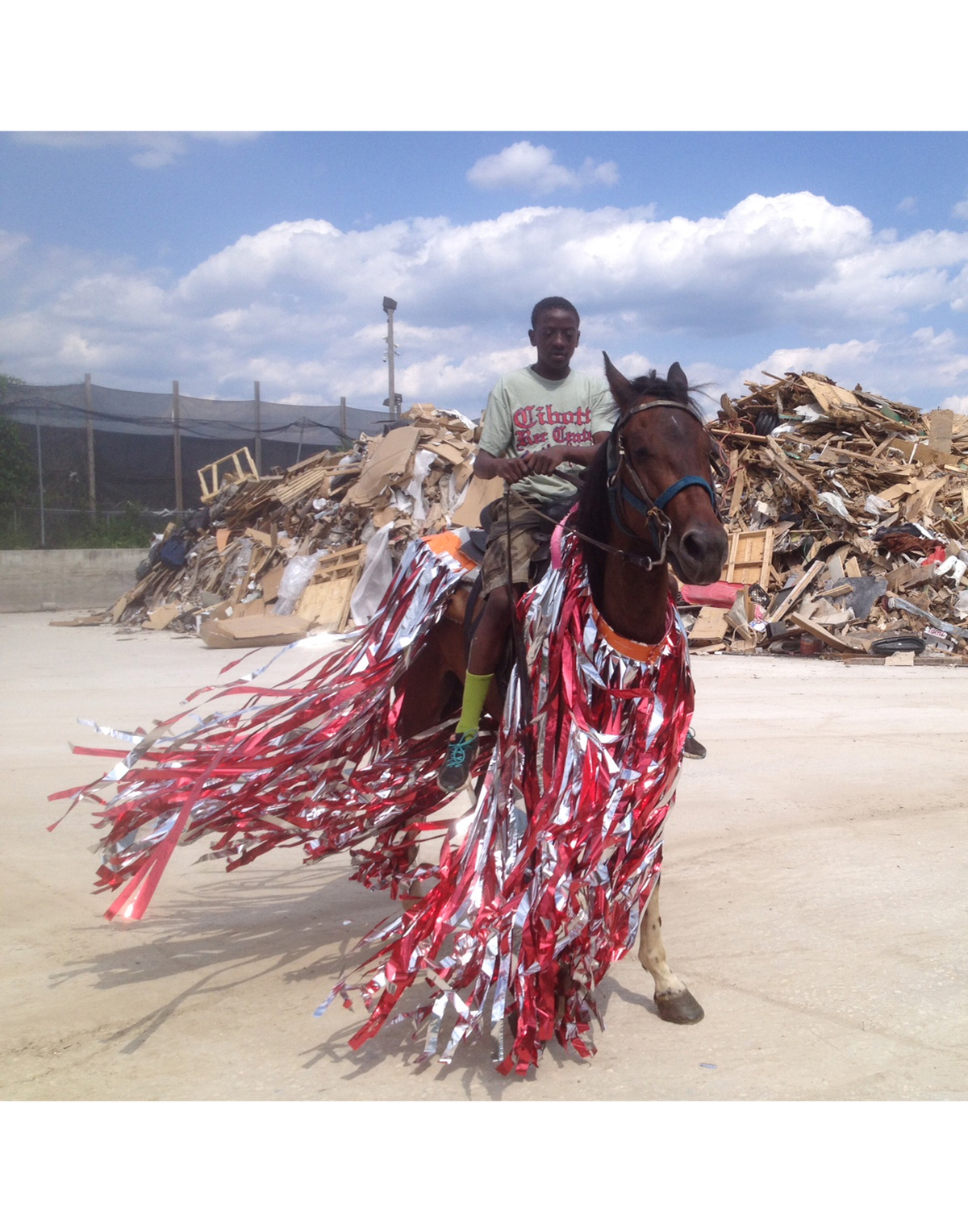
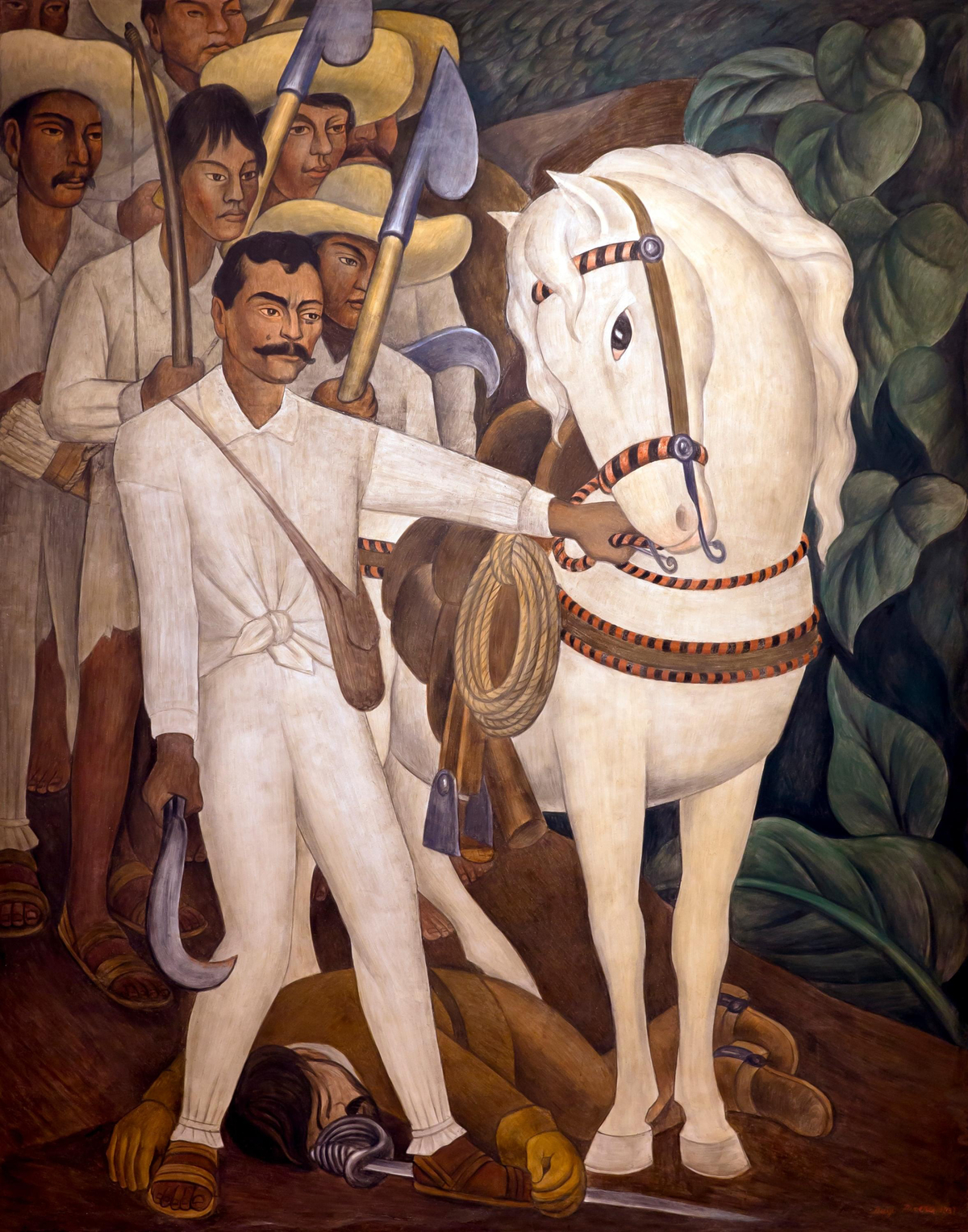
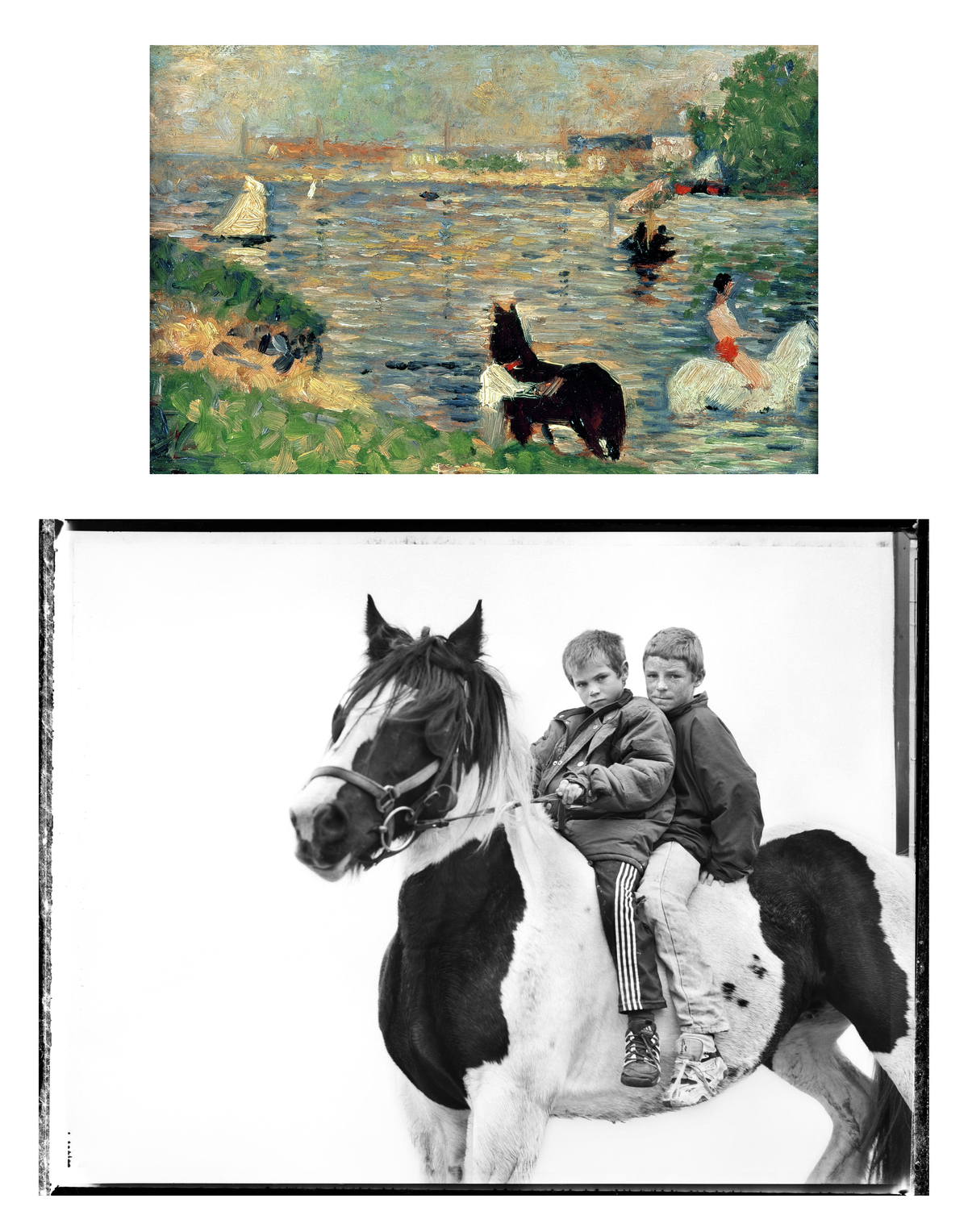
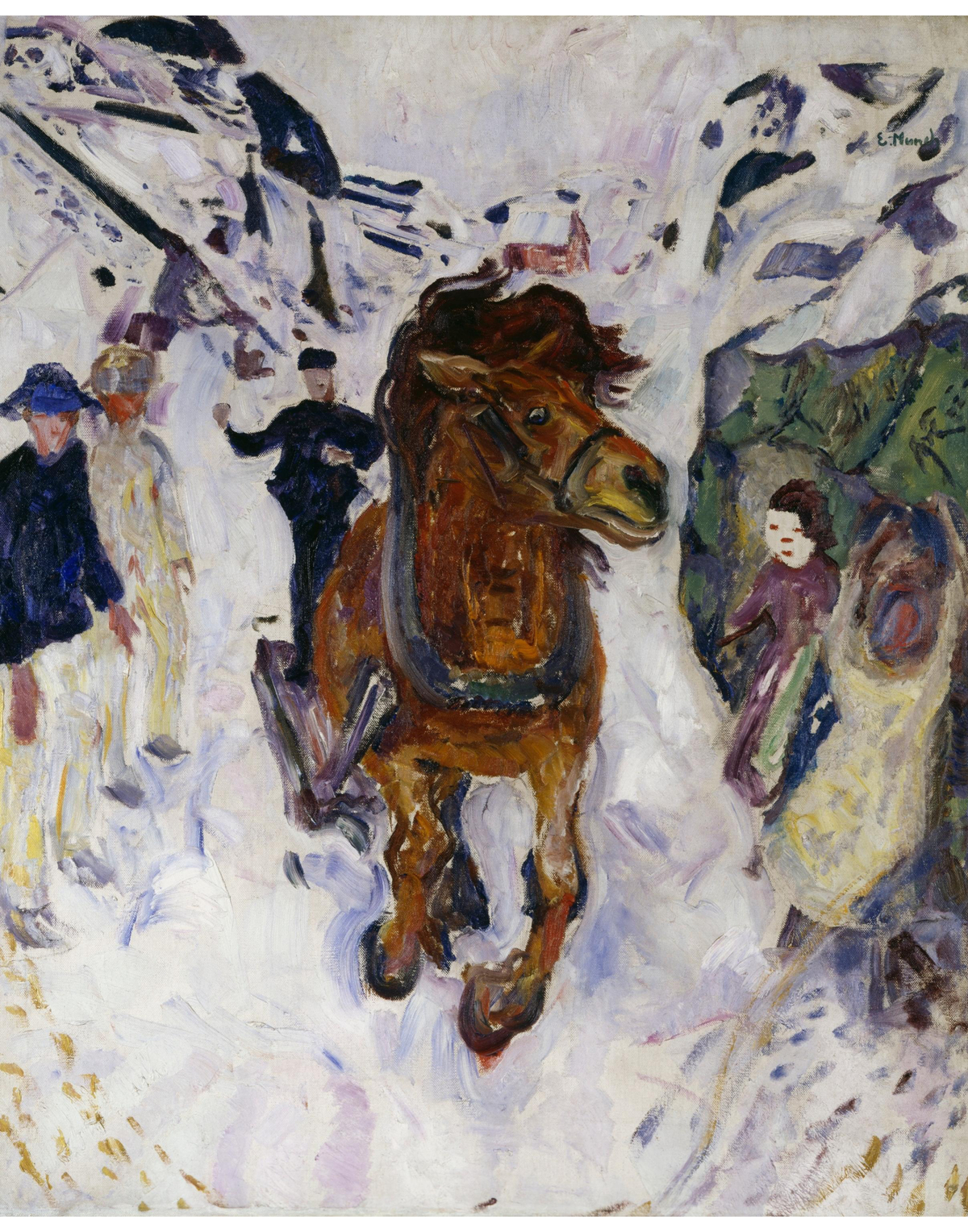
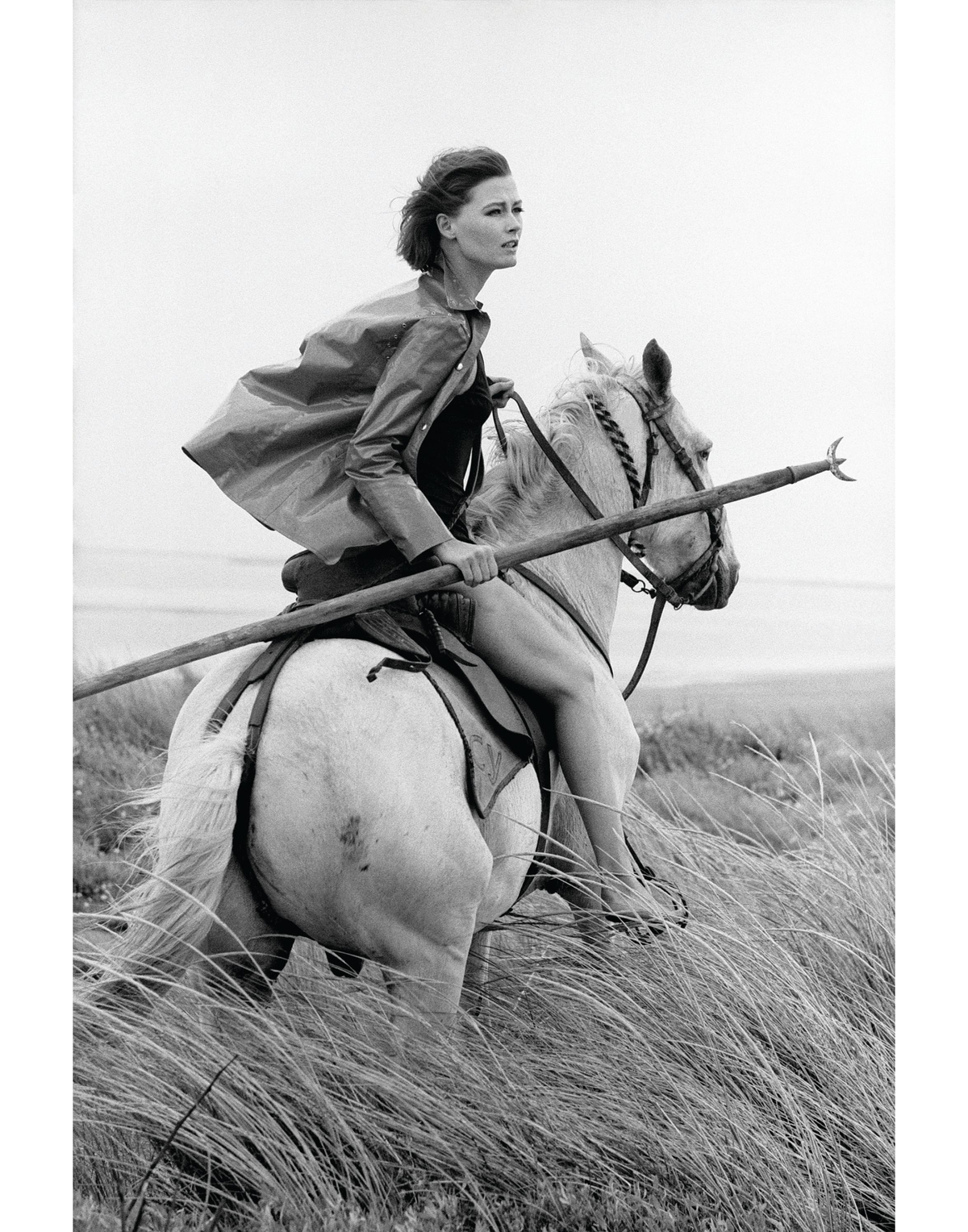
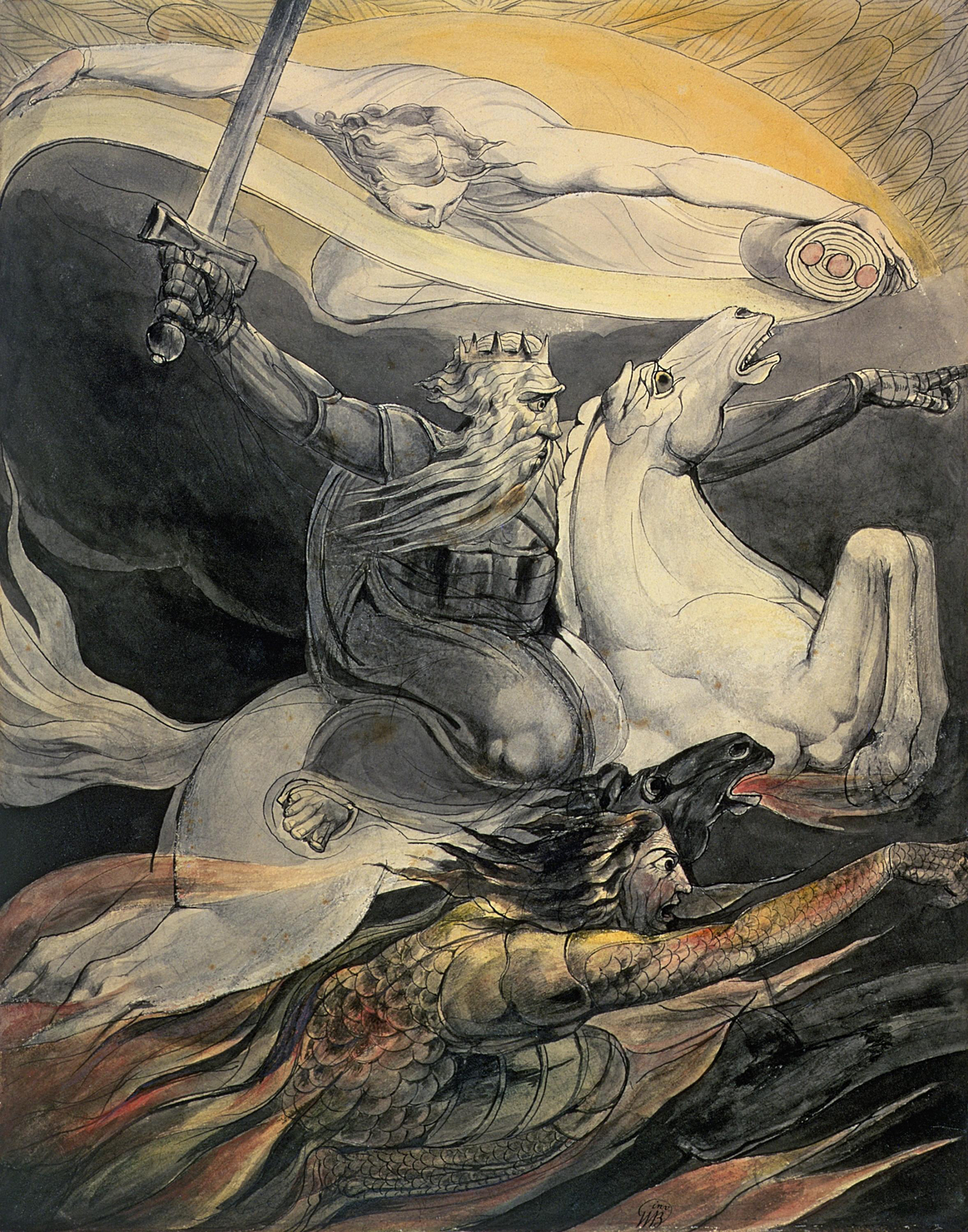
“Few animals have left a more significant mark on art history than the horse,” declares the photography creative Tiggy Maconochie. An enduring muse, the noble creature has served humanity in countless ways—as transportation; on the hunt and in war; in sport and pageantry. Arabian or Thoroughbred or compact quarter horse, Equus ferus caballus embodies passion, strength, and independence. “The intense horses were blood and rhythm,” the poet Pablo Neruda wrote in “Horses.” “The animating treasure of life.” When asked what she wanted to be when she grew up, the 11-year-old Queen Elizabeth II told Life magazine, “I should like to be a horse.”
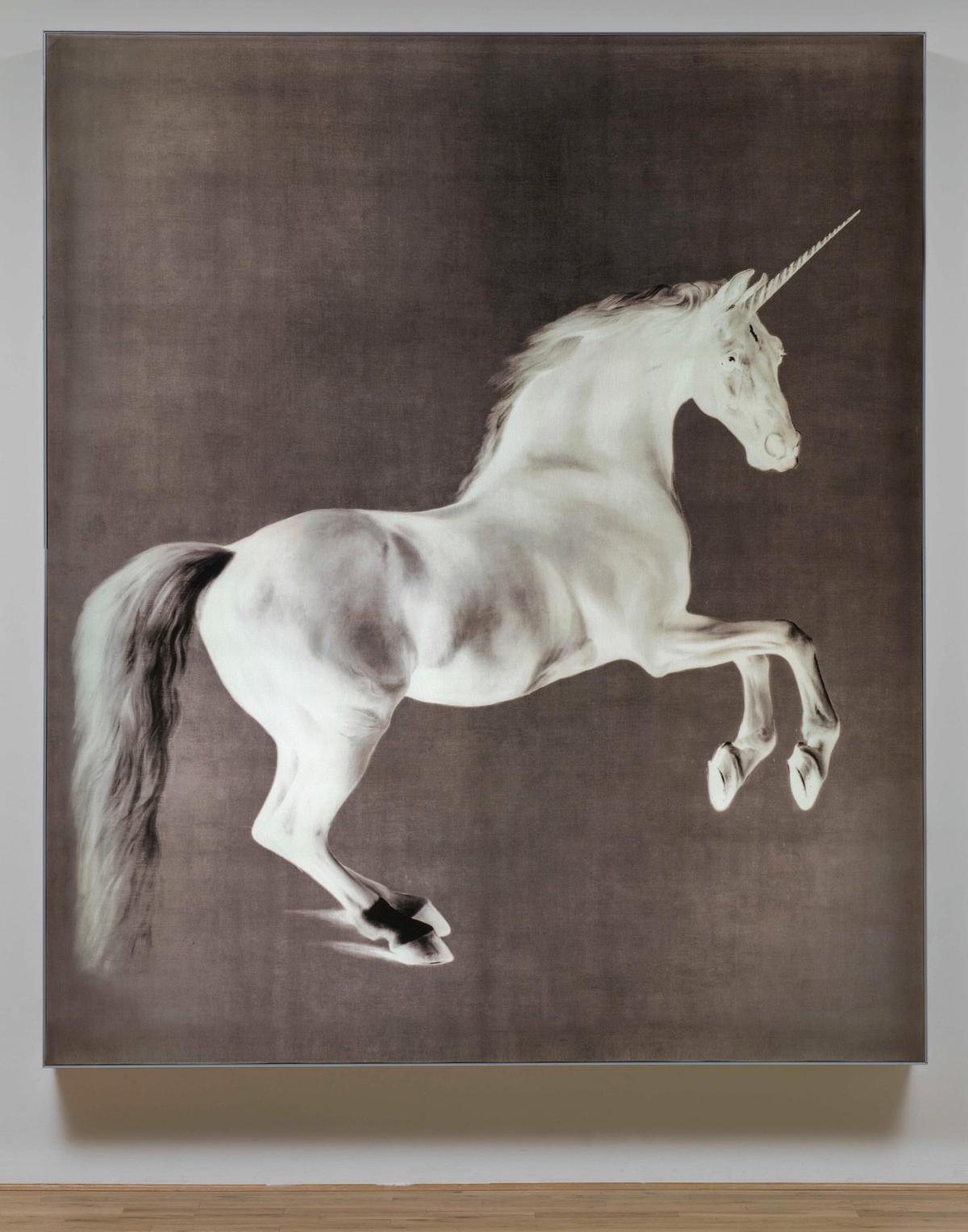
The animal’s presence in art has resulted in some of the most important works of the modern era. George Stubbs—England’s eminent equine portraitist—studied horse corpses so as to draw their anatomy with perfect precision. His fascination culminated in the majestic Whistlejacket (1762), a life-size Arabian, hot-blooded and rearing. In 1887, Eadweard Muybridge’s pioneering photographic study Animal Locomotion captured a horse in motion, revealing that the gallop was different from the canter, with four beats instead of three.