
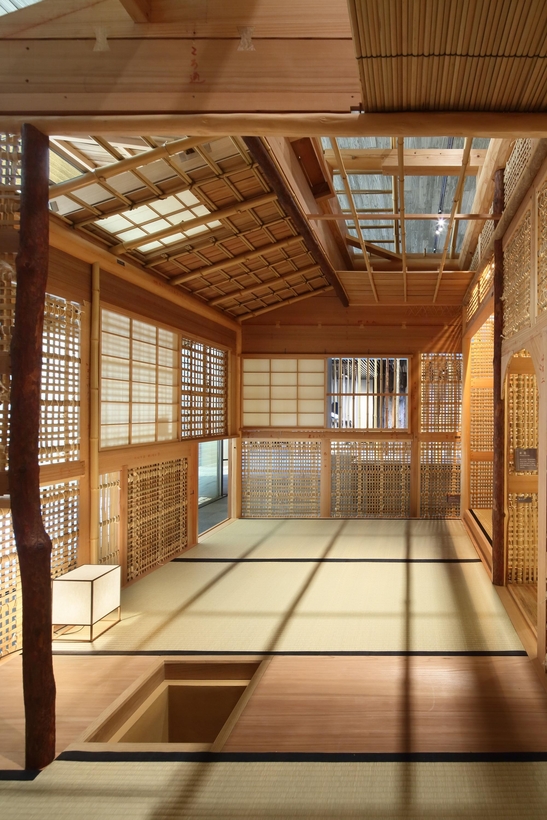

In December 2020, UNESCO added an ancient art form to its list of humanity’s intangible cultural heritage—“the traditional skills, techniques and knowledge for the conservation and transmission of wooden architecture in Japan.” The move was a response to a crisis facing the hallowed culture of Japanese woodworking. A quarter-century had passed since the country mourned the death of its greatest miyadaiku, or master carpenter of temples and shrines.
Born in 1908, Tsunekazu Nishioka—nicknamed “Oni,” meaning “Devil,” because he was so stern—was the last generation in his bloodline to assume the highest office of his profession: chief carpenter of Hōryū-ji, a seventh-century Buddhist temple in Nara Prefecture that also happens to be the oldest wooden structure in the world.