
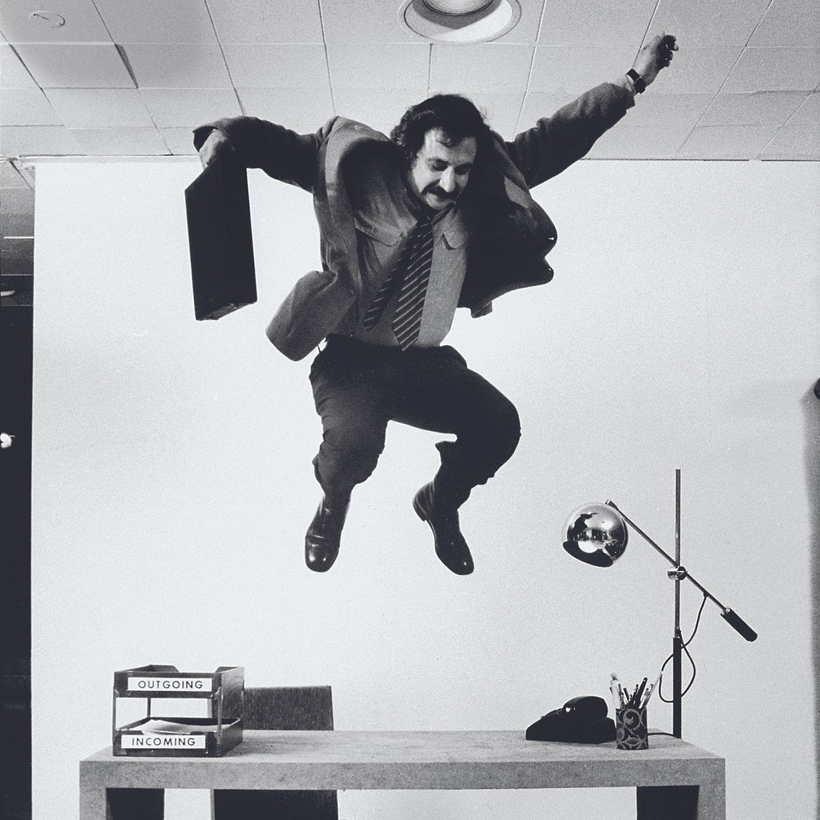
When I began working on Building Art: The Life and Work of Frank Gehry, the subject said to me, “You really should call this book ‘Goldberger on Goldberg.’” Born Frank Owen Goldberg in 1929, he changed his name at the urging of his first wife, Anita Snyder. Gehry had mixed feelings, but he was just starting his career, and his wife told him she was sure he would get more jobs without an obviously Jewish name. He went along with it, partly to please her and partly because he worried that she might be right.
And in the early 1950s, she might well have been, given the extent to which architecture was still largely a profession of Protestant men who looked like lawyers or insurance salesmen. But it was probably the last time Gehry did not follow his own instincts. His career, which spanned more than 70 years and ended only at his death last Friday at the age of 96, was the most influential, not to say profound, one in American architecture since that of Louis Kahn.