For women, the early 20th century had its compensations. The First World War brought fear and unimaginable grief, but also a cascade of new freedoms: work (in factories and on farms, as police officers and bus conductors), better and higher education, the vote, accessible contraception and divorce. But the story is a little more complicated: the girls who lost their men in the trenches were left perpetually single, while the depression of the Thirties steered the married ones out of the workforce and back to the kitchen. A glut of young, educated and frustrated people, conditions that always seem to lead to art or revolution. The suffragettes had already tried violence. This time, women plumped for the pen, producing an outpouring of superb fiction, much of which was soon patronized and forgotten. Until Persephone.
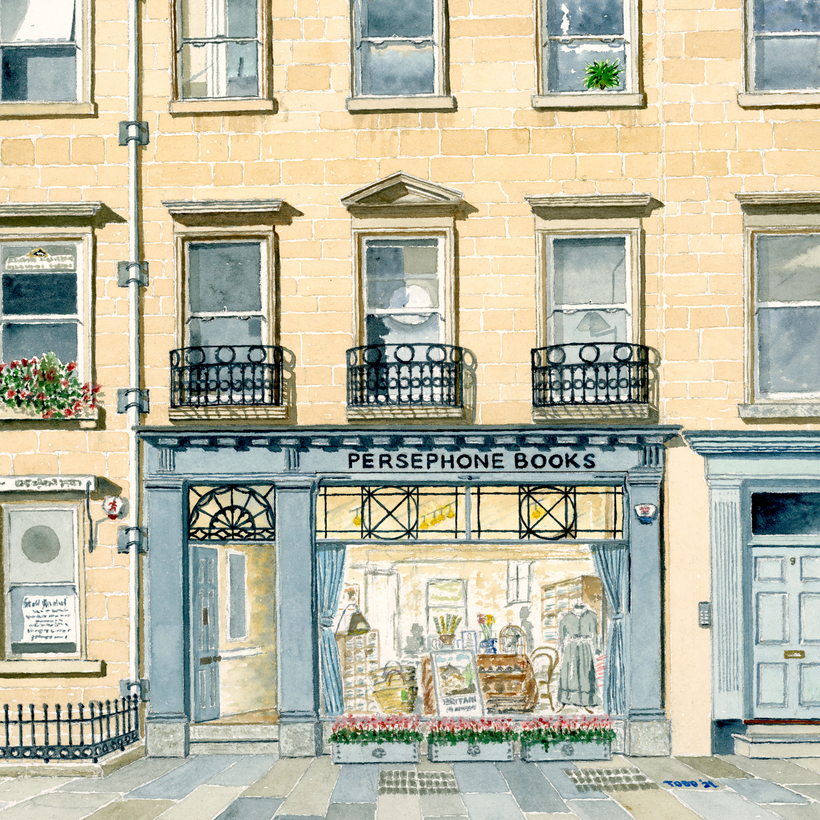
The cult indie publisher specializing in neglected 20th-century women’s writing marks its 25th anniversary this year. “I don’t like the word brand,” says Nicola Beauman, Persephone’s founder, but she has forged an instantly recognizable one in spite of herself. Each Persephone title is numbered (the 150th will be published in April), plumed with vibrant vintage-print endpapers (individually rooted out by Beauman from period books or the V&A — “it’s a sort of instinct”) and otherwise identically bound in chic slate-grey. The color was inspired, Beauman tells me, by the takeaway coffee cups of the New York deli chain Dean & DeLuca. It’s a vibe: Persephone’s Instagram now has more than 77,000 followers.