
This is an utterly captivating biography of an artist whose best-known paintings today—grand scenes of storm-tossed boats and rescues at sea and fishermen staring off into the angry waves—make up just a small portion of his work. Born in 1836, Homer achieved national fame for his drawings of the Civil War for Harper’s Weekly, drawings that allowed readers to experience both the terror and tedium of warfare. He certainly had his sentimental streak, best shown by his painting of a boy whittling, but his depictions of Black Americans show an implicit understanding of how to answer indignities with dignity. Cross has done a superb job of bringing to life a man who kept no diaries, never married, and confided in few, but whose work, so beautifully reproduced in what is as much an art book as it is a biography, speaks not just to a time and place but to an eternal yearning. “He aspired to observe but be unobserved,” writes Cross, “a kind of human periscope, both subjective and precise.”
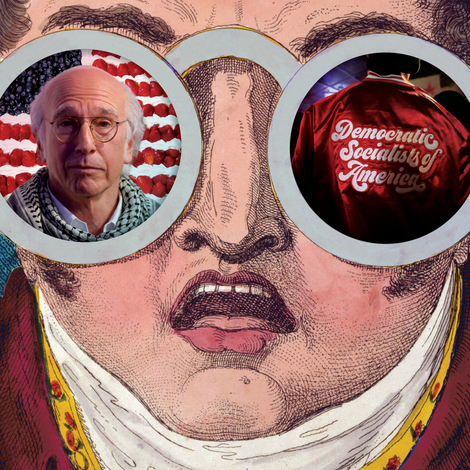
What Meyer has done is remarkable: find an aspect of Franklin’s life that has not been written about to death. Shortly before he died, Franklin gave a gift of $2,000 to Boston and Philadelphia to be doled out as loans to tradesmen, repayable with interest so the funds could continue to grow until the final payout was handed out in 1991. Not all went according to plan, but enough of it worked out for Meyer to produce a lively and engrossing narrative of how a person known for so many other things can make a mark by also being a philanthropist. Tech titans, take note.