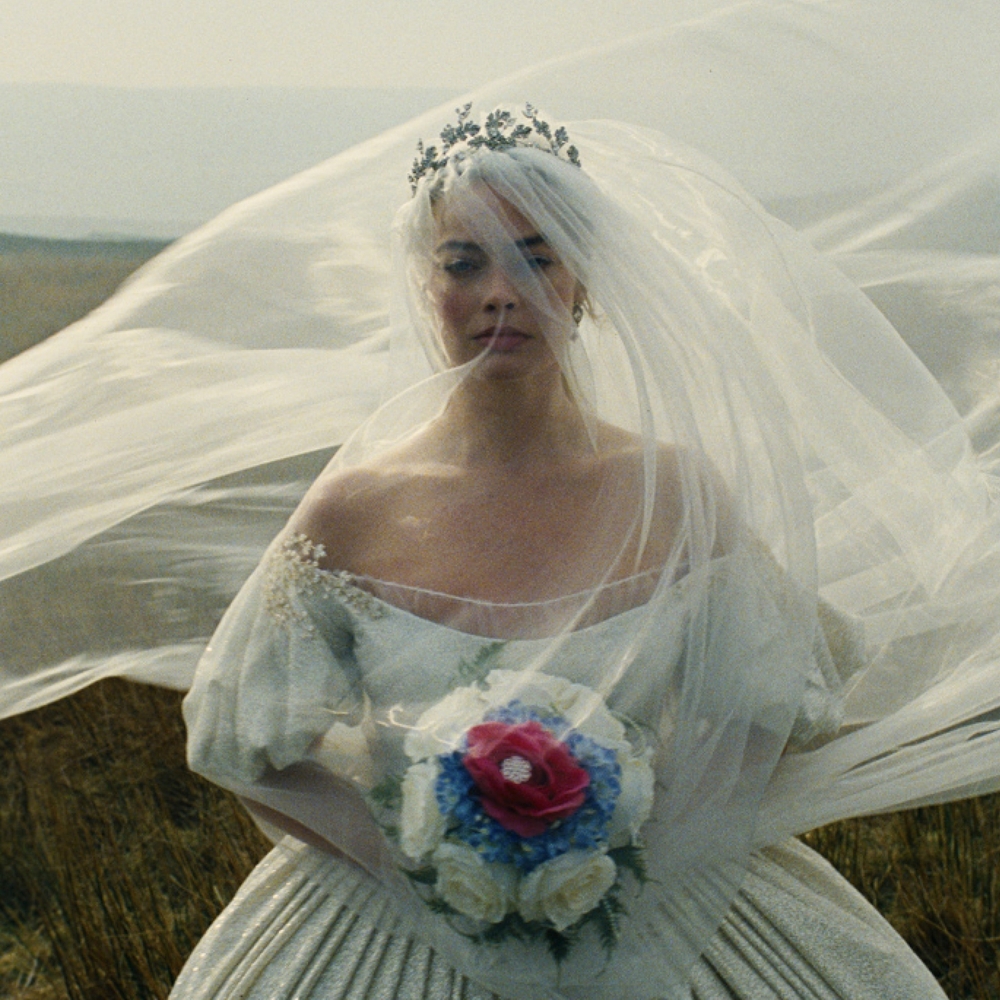
The wonder of it is that Wuthering Heights, which was declared to be “unquestionably and irredeemably monstrous” upon publication, exists at all, its creative origins forever obscured by the brief and enigmatic life of its author. The novel, published in 1847 under a male pen name (Ellis Bell), was written by Emily Brontë, a 27-year-old virgin so reclusive she makes Emily Dickinson seem positively sociable. Brontë, who died a year after her book came out, somehow managed to call forth from her vivid, anarchic imagination one of the darkest love stories in Victorian (or any other) literature, creating an unprecedented Demon Lover in the portrait of Heathcliff and an obsessed madwoman in that of Catherine Earnshaw. The erotic undertones are unmistakable and all the more powerful for being suppressed. For all its heaving drama, the plot of Wuthering Heights is remarkably simple, even primitive. It is the age-old one of a soured romance, of childhood sweethearts who are foiled by the adult reality they grow into. Filmmakers and television producers have continually returned to this elusive work ever since it was made into a movie in 1939, starring Laurence Olivier and Merle Oberon. This adaptation, written and directed by the controversial Emerald Fennell (Promising Young Woman, Saltburn), is characterized as “loosely inspired” by the novel—ergo, at liberty to take liberties. The adult Cathy is played by the blonde, blue-eyed Margot Robbie, whose acting chops are in full view once again. Heathcliff is played by Jacob Elordi. Influenced by the aesthetics of soft porn and high fashion, this is a movie with its sights firmly fixed on Gen Z. It works, in its edgy stylistic way, and it should sell heaps of tickets. —Daphne Merkin
Read Daphne Merkin’s full piece on the Wuthering Heights adaptation here