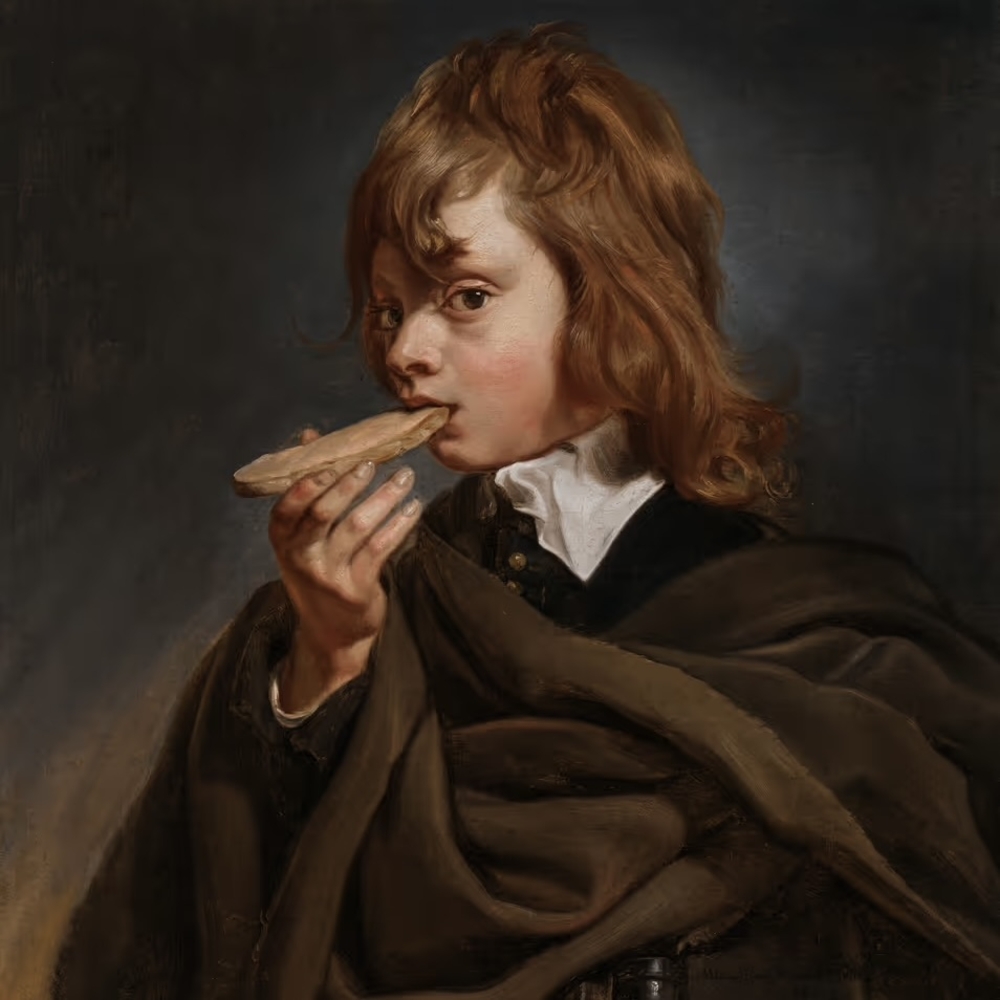
Michaelina Wautier (1614–1689) painted in Brussels at a time when women were barred from academies, forbidden from studying the nude, and discouraged from attempting the grand paintings that made reputations. She did these things anyway—producing portraits, vast religious scenes, and Bacchanalian spectacles—and earned acclaim. When she died, her work was reassigned to her brother and other male contemporaries, and she all but disappeared. The rediscovery of Wautier began in 1993, when the art historian Katlijne Van der Stighelen found her monumental Triumph of Bacchus gathering dust in Vienna’s Kunsthistorisches Museum. The canvas was so large and so assured that scholars had assumed no woman could have painted it. The Royal Academy has now mounted the first U.K. exhibition devoted to the long-lost artist, bringing together 25 paintings. —Elena Clavarino