Diego Rivera (1886–1957) spent nearly a decade in Europe, studying in Madrid and then Paris, where he moved in Cubist circles alongside Picasso and Modigliani. In 1921, he returned to Mexico to kickstart a modernist wave. With José Clemente Orozco and David Alfaro Siqueiros, Rivera led a muralist movement that turned public walls into political epics, and made workers and farmers the protagonists of a national art that had no real precedent. The Musei Capitolini is staging the first major exhibition on Rivera ever held in Italy (it’s also the largest show on Mexican art in Europe in decades). Thirty works by Rivera are on view with over 100 by Orozco, Siqueiros, Frida Kahlo, and a sweep of lesser-known figures who all helped build the visual identity of modern Mexico. —Elena Clavarino
Arts Intel Report
Diego Rivera and the Construction of Modern Mexican Art
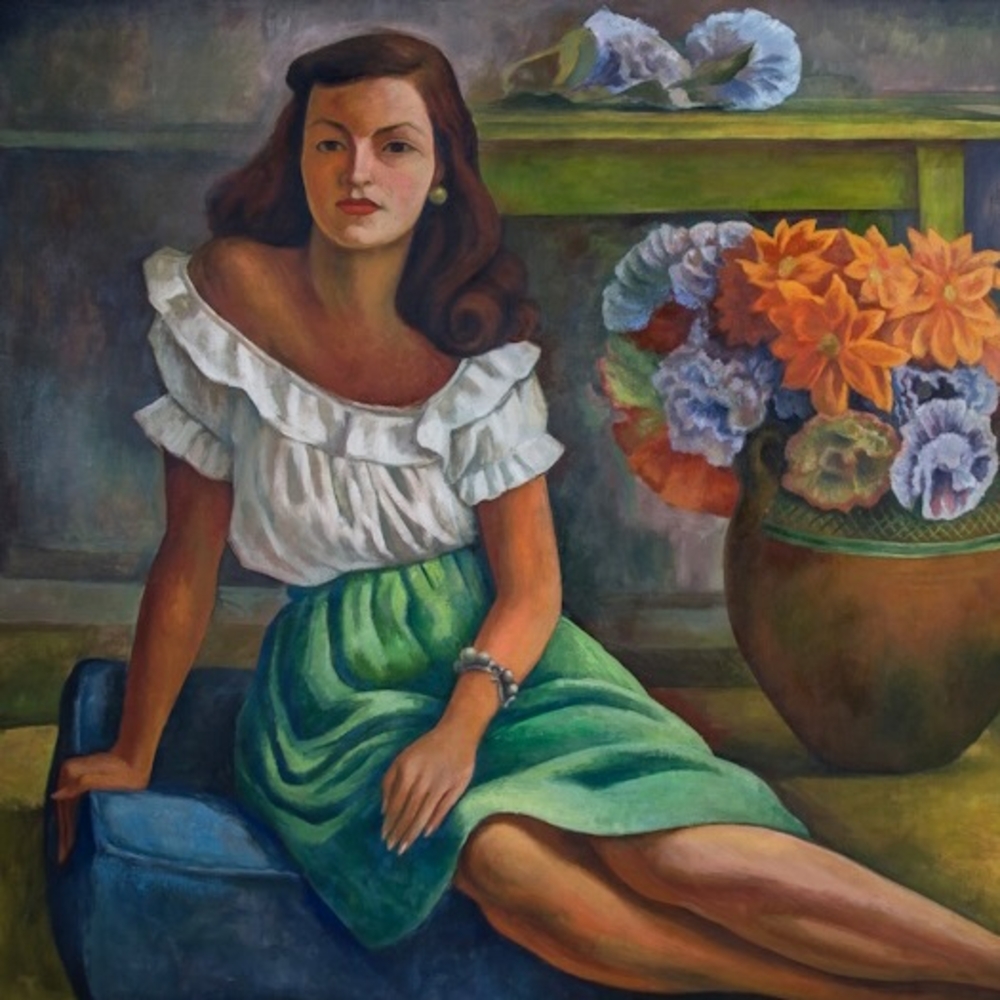
Diego Rivera, Mujer sentada con flores Donna seduta con fiori, 1944.