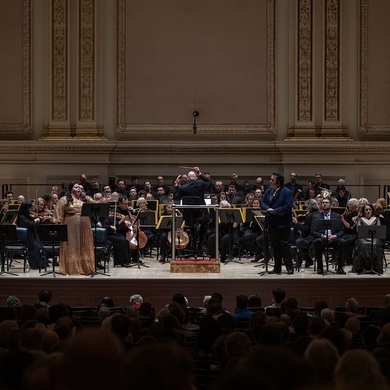
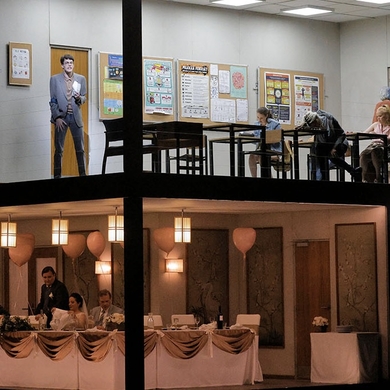
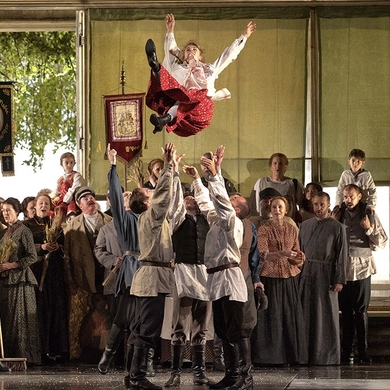
In her early days as a director, Francesca Zambello acquired the affectionate nickname “The General” on the strength of her productions of such epics as Prokofiev’s War and Peace. Today, as artistic director of the Washington National Opera, she has beaten a strategic retreat from The Donald J. Trump and The John F. Kennedy Memorial Center for the Performing Arts. In March, Scott Joplin’s ragtime opera Treemonisha and Robert Ward’s The Crucible proceed at Lisner Auditorium, the company’s original home, a National Historic Landmark on the campus of George Washington University. The tuneful Treemonisha, which Joplin did not live to complete, tells the inspirational tale of an educated freedwoman who challenges superstition to educate and raise up her people. The star mezzo-soprano Denyce Graves directs a newly commissioned adaptation by the composer Damien Sneed and the playwright Kyle Bass, with Viviana Goodwin in the disarming title role (performances March 7, 8, and 15). Zambello herself directs The Crucible, sharing top creative responsibility with the company’s music director Robert Spano. Based on Arthur Miller’s play, the opera, too, started out as an indictment of the Red Scare of the McCarthy era. But with #MeToo, the scalding dramatization of the witchcraft trials in Salem has morphed into an exposé of the sexual abuse of women at the hands of men in power—see Kimberly Belflower’s John Proctor Is the Villain, a Broadway hit. The baritone Ryan McKinny, a master at humanizing flawed heroes, seems just the artist to embody John Proctor in all his contradictory dimension. Lauren Carroll is his accuser Abigail. J’Nai Bridges is Elizabeth, his wife, still the moral center of this turbulent universe. —Matthew Gurewitsch
Arts Intel Report
Washington National Opera in Treemonisha, The Crucible
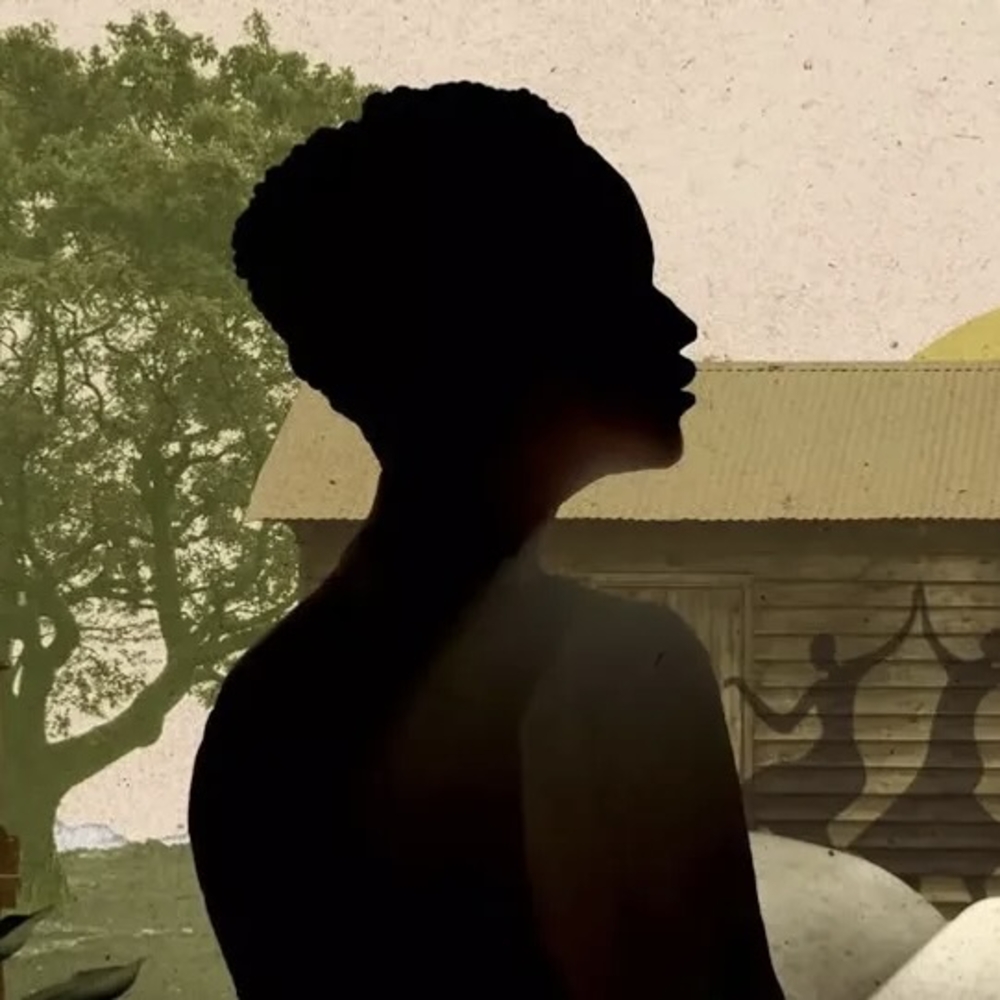
Illustration for Washington National Opera’s production of Treemonisha.