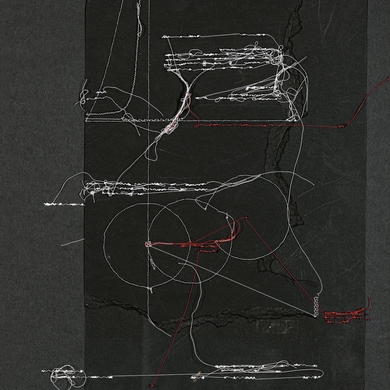
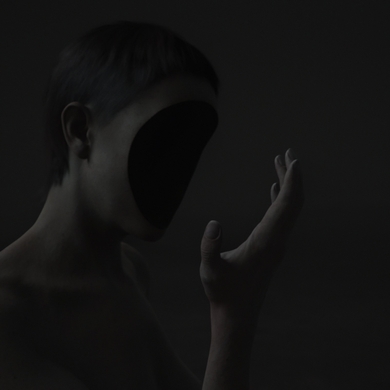
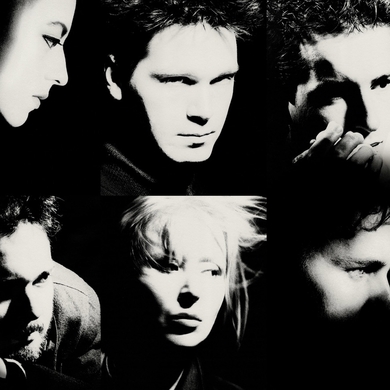
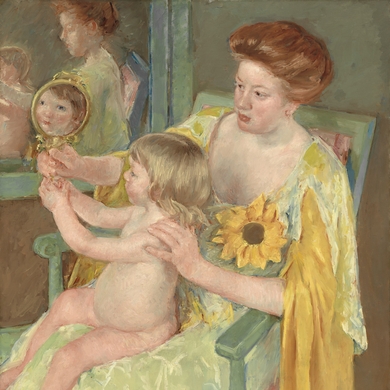
The technique of chiaroscuro has its roots in the Renaissance, in the work of Leonardo da Vinci and his contemporaries. Think of the delicate modulation of shadow that gives the Mona Lisa her mysterious smile. Caravaggio pushed it further into tenebrism, plunging his scenes into near-total darkness and creating paintings of powerful drama. Originating in the 16th century, in Mannerist and Baroque art, the technique continues to shape modern practice. Consider Bill Viola’s videos—how he stretches a fleeting moment of light and emotion into high contrast, making an almost spiritual experience—or Victor Man’s brooding oil-on-board paintings. At the Bourse de Commerce, 20 modern and contemporary artists employ that poetic interplay of light and shadow. —Elena Clavarino
Arts Intel Report
Clair-Obscur

Wolfgang Tillmans, Tag/Nacht IIb, 2010.