Artists have been sculpting wax since time immemorial. In the first century A.D., Pliny the Elder wrote in Naturalis Historia that the Etruscans used the material to make “death masks,” which were used for worship. Wax as a medium waxed and waned, but it flourished in Medicean Florence between the 15th and late–17th centuries. Renaissance and Baroque artists prized it for the way it mimicked skin—no other material felt quite as alive. The problem, of course, is that wax melts and breaks, which is why so few early examples remain. This exhibition presents 90 centuries-old works made of wax, and an entire room is devoted to Gaetano Giulio Zumbo, the greatest wax sculptor of all time. —Elena Clavarino
Arts Intel Report
Wax Upon a Time: The Medici and the Arts of Ceroplastics
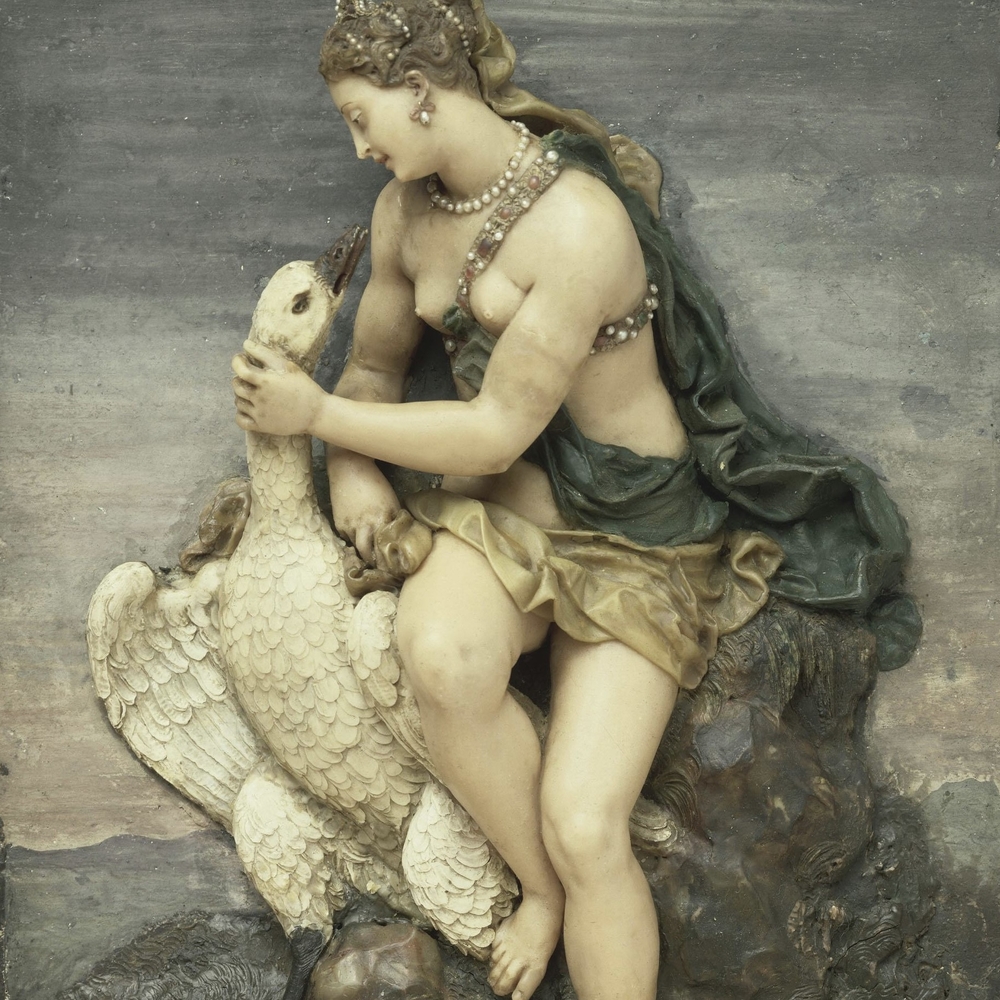
Martino Pasqualigo, Leda and the Swan, circa 1550–1600.