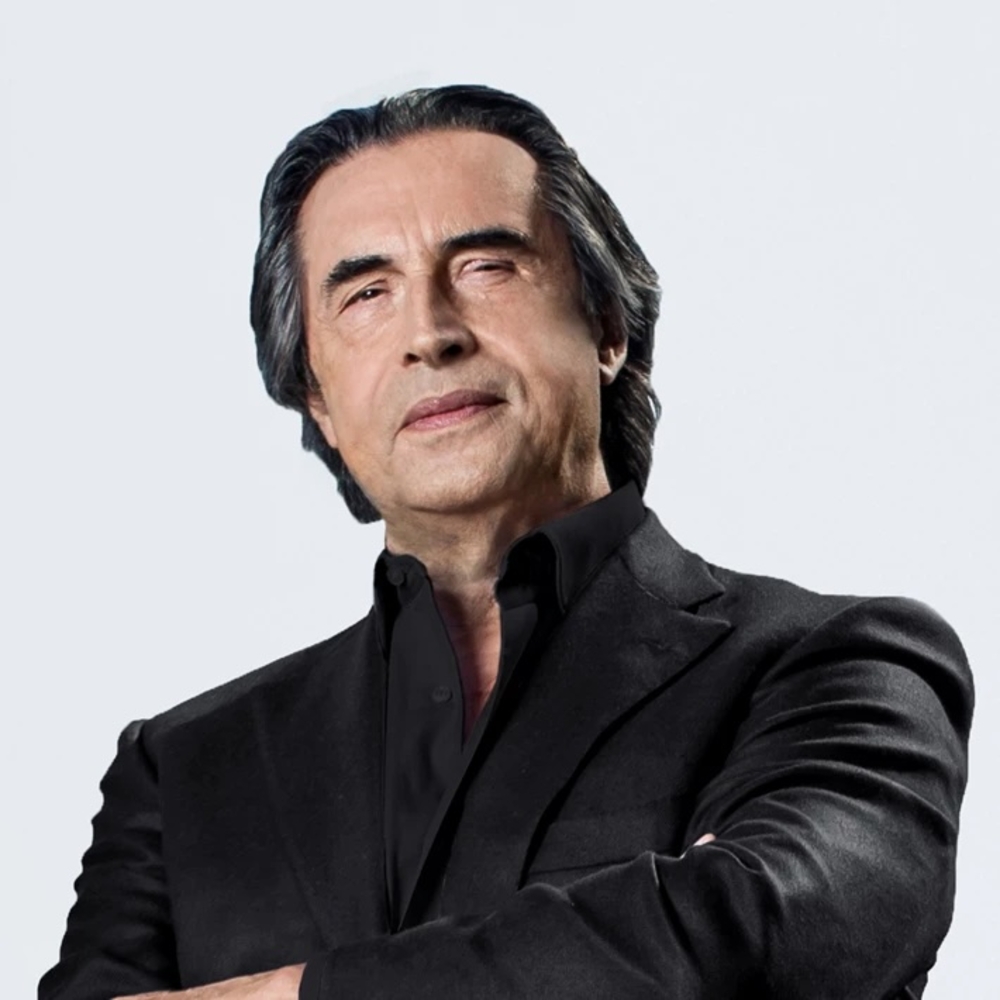
In Italian, Maestro is not just the honorific of a legendary conductor but also, quite simply, the word for a teacher. In Riccardo Muti, those meanings combine. Italy, as he notes with pride, has 61 UNESCO World Heritage sites—more than any country in the world (China, with 32 times the land mass, has 60). But there’s no end of other atmospheric locales, which Muti fills with sublime music whenever he can. For this summer’s brief tour to Pompei (July 18), Lucca (July 20), and Ostuni (July 22), he has invited conservatory students to work side by side with the professionals of his Luigi Cherubini Youth Orchestra—“because” he writes, “music is learned above all through sharing. Playing together means listening to one another, showing respect, and taking on a shared responsibility.” His all-Italian program includes selections of Verdi, Puccini, Rossini, Mascagni, Leoncavallo, Catalani, and his own early teacher Nino Rota (internationally renowned for the soundtracks he wrote for Federico Fellini). “These are not merely great names in our musical history,” the maestro writes. “This music is a reminder of the fundamental role Italy has played—and can continue to play—a fundamental role in shaping a shared cultural consciousness. Culture must not be reserved for a few. It belongs to everyone. To believe in music today means to believe in the future of our country.” —Matthew Gurewitsch