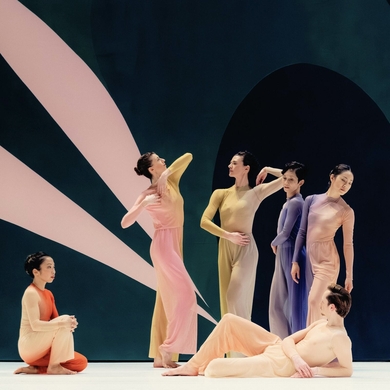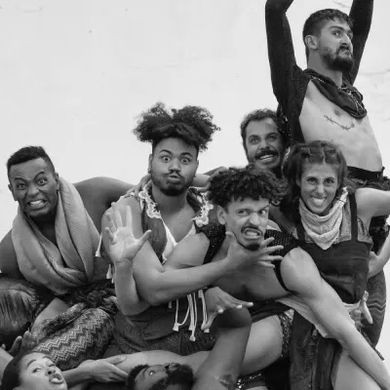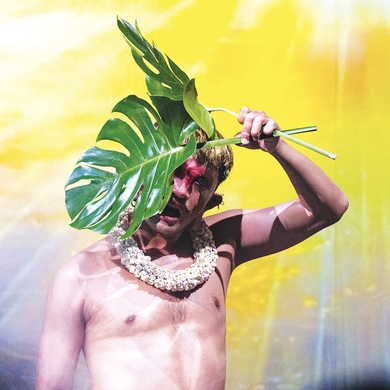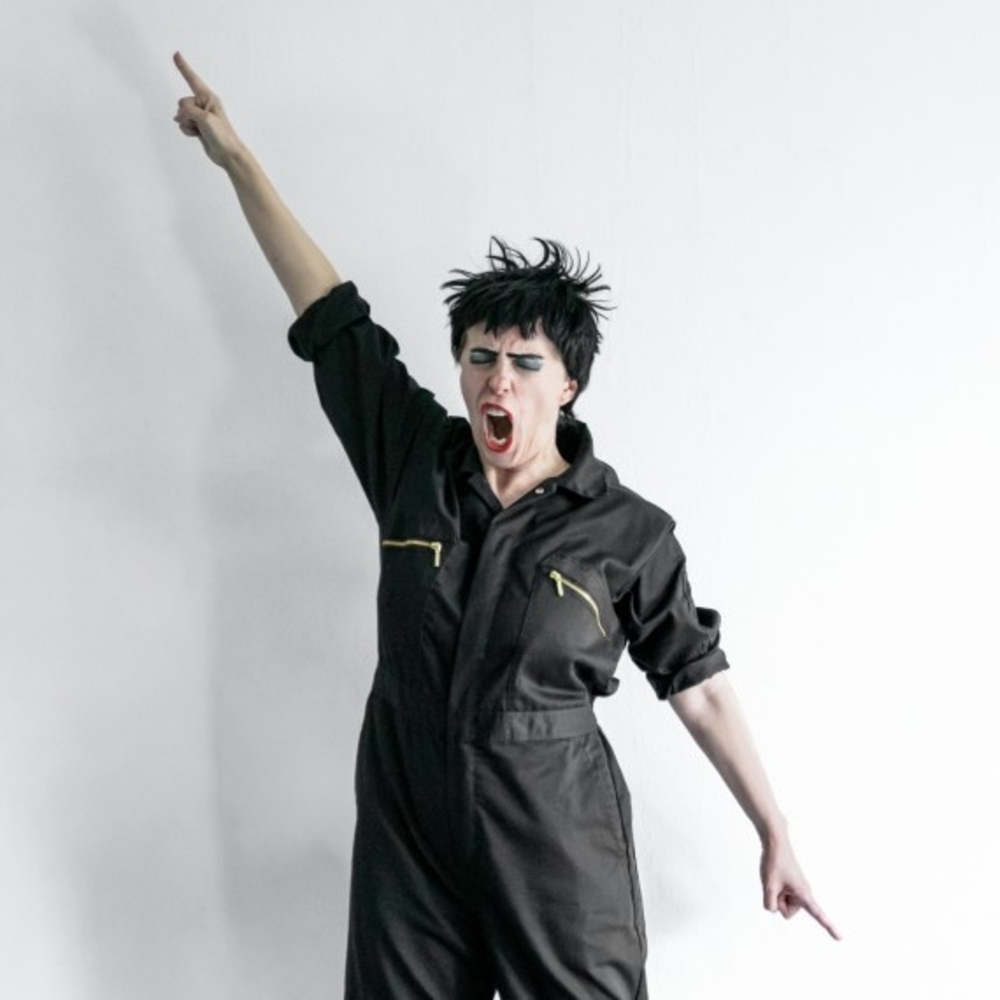
This massive two-week festival stretches all the way to the French border, taking over, along the way, opera houses, a converted water station, a basement “cave,” a funky record store, the Grand Théâtre de Genève’s backstage workshops, and the Geneva woods, where, in 1977, it all began. The range of performance is equally vast, though choreographers from the African diaspora make a particularly strong showing. For example, Gounouj (Frog), by Léo Lérus, resident artist of Chaillot, the national theater of dance, in Paris. Lérus translates the frog of his native Guadaloupe into intimate human terms with the help of drum, thumb piano, and leafy surrounds. Swapping the island’s protected forest for Geneva’s Ariana Park, the delicate, tender Gounouj conveys the choreographer’s affection and worry for his homeland, so ravishing and so easily exploited. On the opposite end of the sincerity and nature spectrum are the Afro-Brazilian pair Davi Pontes and Wallace Ferreira, whose trilogy of Repertorios embrace both nudity (except for Barbie-pink kinky boots) and dance as an art of surreptitious self-defense. Speaking of cheeky, though not remotely African, the dizzyingly protean Eszter Salamon continues drawing inspiration from the subversive, outsized cabaret performer Valeska Gert, who got her start during the Weimar era. Salamon’s new solo, Red, features electric guitar and flung paint. Finally, don’t miss the festival commission of the Palestinian-American Samar Haddad King, who, though she has been making visually arresting, emotionally affecting dance theater for decades, has come only recently to international attention. Her “braided stories,” Candice Thompson noted in The New York Times, “span the intimate and the epic.” —Apollinaire Scherr