Technicolor had yet to be invented when Ottorino Respighi embarked on his Roman trilogy, but he didn’t know that. His splashy, supersaturated palette for Fountains of Rome (1916), Pines of Rome (1924), and especially Roman Festivals (1928) did for the ear what The Robe (1953), Ben-Hur (1959), and Cleopatra (1963) were later to do for the retina. No movie palace we’ve heard of ever runs those blockbusters back-to-back (who’s got the hours?), but it’s possible—just—for an orchestra to play Respighi’s triptych straight through. True, the three panels of the triptych add up to little more than an hour. But the demands on the musicians are relentless, and the sensory overload on the audience can be extreme. A phonograph recording of a nightingale provides a moment of exquisite respite. But the lion’s share of the music is very loud. Beware, in particular the buccine—circular trumpets of ancient Rome whose true sonority is lost to time. For Respighi, who knew what he wanted, these buccine must be built to order on a wing and a prayer or replaced somehow by modern instruments. In either case, the requirement is that they must sound barbaric. (If you don’t see stars, they’re not doing their job.) Barbarism isn’t really a keynote for the Berlin Philharmonic, which the late Herbert von Karajan transformed into a Space Age ensemble considered to this day the sleekest of the sleek. Several generations later, Kirill Petrenko has been known to show a gladiatorial streak that could come in handy here. —Matthew Gurewitsch
Arts Intel Report
Berlin Philharmonic presents Rome with Kirill Petrenko and Ottorino Respighi
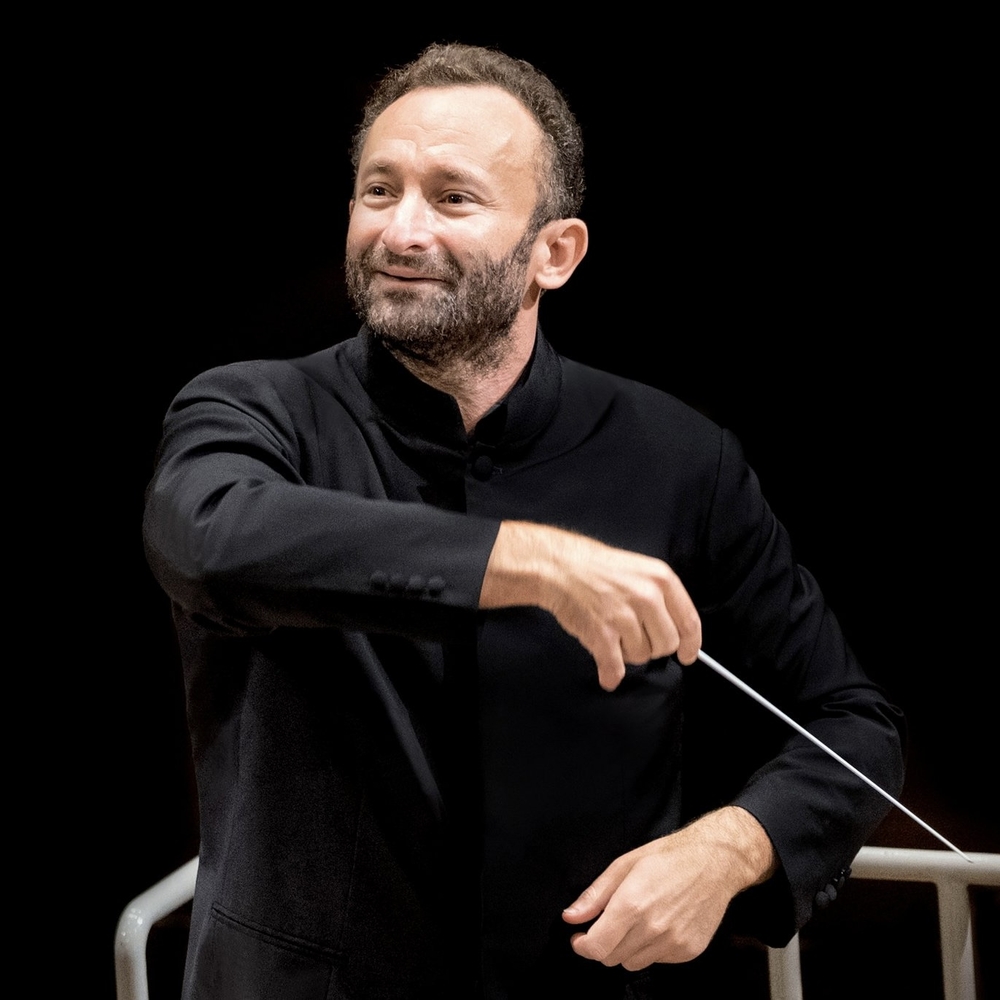
The conductor Kirill Petrenko.