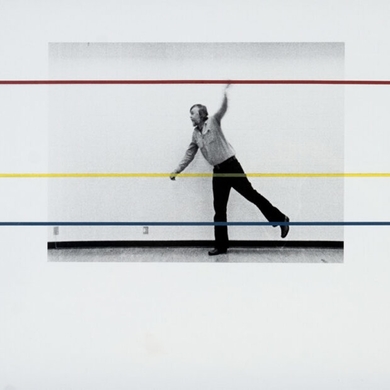
Born in Tokyo in 1952, Ryuichi Sakamoto began playing the piano at six. He listened to Bach and Debussy—artists he called “the door to all 20th-century music”—and grew up in a creative household: his father, Kazuki, was a well-known literary editor; his mother, Keiko, designed women’s hats. As a teenager, Sakamoto fell in with a crowd of hipsters who introduced him to jazz and rock and roll. In 1978, he formed the Yellow Magic Orchestra and released his first solo album, Thousand Knives. He went on to collaborate with everyone from the Talking Heads guitarist Adrian Belew to the choreographer Molissa Fenley, while his film scores earned him an Oscar, a BAFTA, a Grammy, and two Golden Globes. But music was only part of his practice. Beginning in the 2000s, Sakamoto increasingly experimented with sound as something that could occupy physical space, creating large-scale installations with artists such as Shiro Takatani, Daito Manabe, and Apichatpong Weerasethakul. “Seeing Sound, Hearing Time” brings these works together alongside new installations that Sakamoto conceived for the exhibition before his death in 2023. Sound, light, video, water, and even fog fill the museum, revealing a less familiar side of one of Japan’s most influential musicians. —Elena Clavarino
Arts Intel Report
Ryuichi Sakamoto: Seeing Sound, Hearing Time

Neo Sora, Portrait of Ryuichi Sakamoto, 2020.