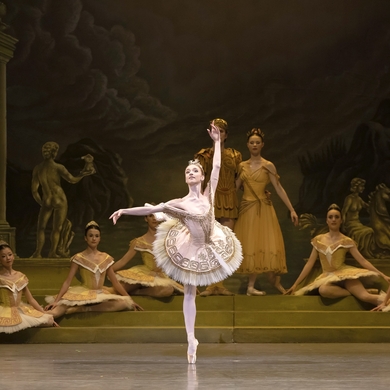
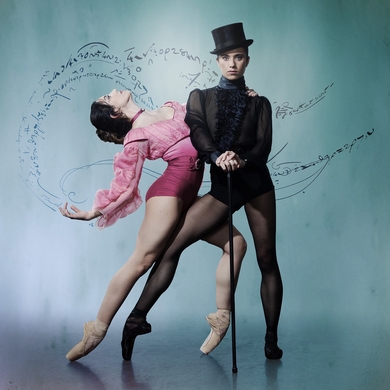
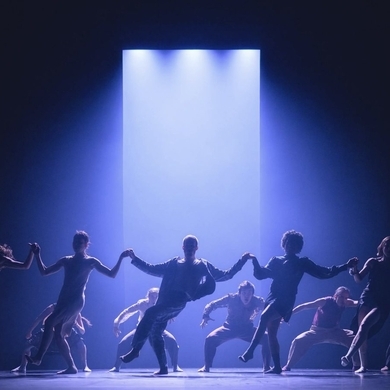
We do not have any film footage of Vaslav Nijinsky dancing, and there’s only about six seconds of Isadora, who refused to be filmed because she felt it would make her mortal, less of a goddess. But we do have photographs of early-20th century dancers, in abundance, and who’s to say they aren’t more evocative than film. Dance stills have their own power. They capture a moment of movement, structure, energy. Much of early modern dance was taking place in Europe, where innovation dovetailed with women’s emerging freedom, ideas about physical fitness and mind-body dynamics, and drew from radical changes in art. For the first time, the Albertina’s extensive collection of dance photography has leapt into an exhibition. The images move from 19th-century ballet to art dance and the avant-garde of the 1920s and 30s. —Laura Jacobs
Arts Intel Report
Dance Images: Photographs from the Albertina Collection
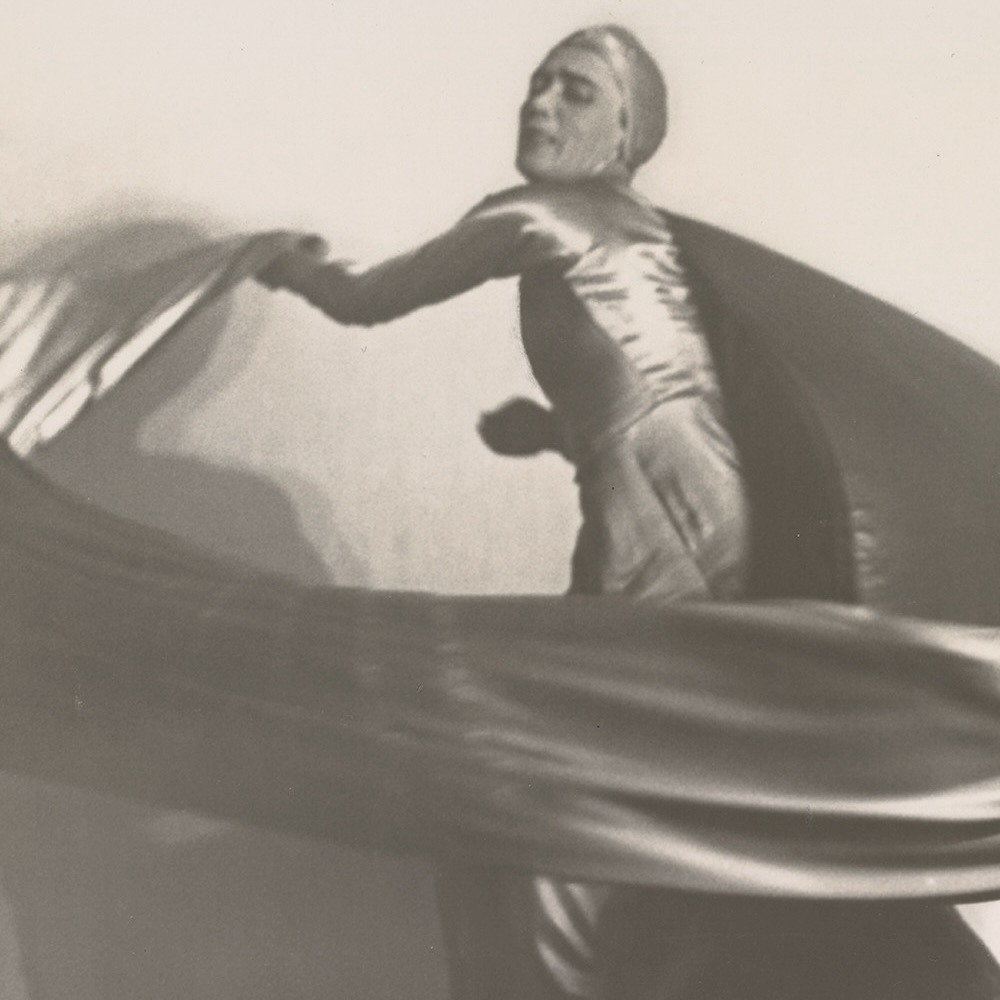
Charlotte Rudolph, Mary Wigman in Space Figure from the Series “Visionen,” 1928.