“Beauty,” Michelangelo Buonarroti once said, “is the purgation of superfluities.” He meant that beauty is what remains when you take away everything unnecessary. For Renaissance artists, crafting a beautiful work was a way to get closer to God. Sixteenth-century publications began to offer “recipes for looking beautiful,” as well as elaborate advice on care and cosmetics. Ugliness, too, found form in art, usually through devils and grotesque figures positioned at the edge of a canvas. This exhibition looks at how beauty and ugliness were depicted in 15th- and 16th-century Europe—in works by everyone from Sandro Botticelli to Titian, Tintoretto to Leonardo da Vinci—and how those ideas shifted over time. —Elena Clavarino
Arts Intel Report
Beauty and Ugliness in the Renaissance
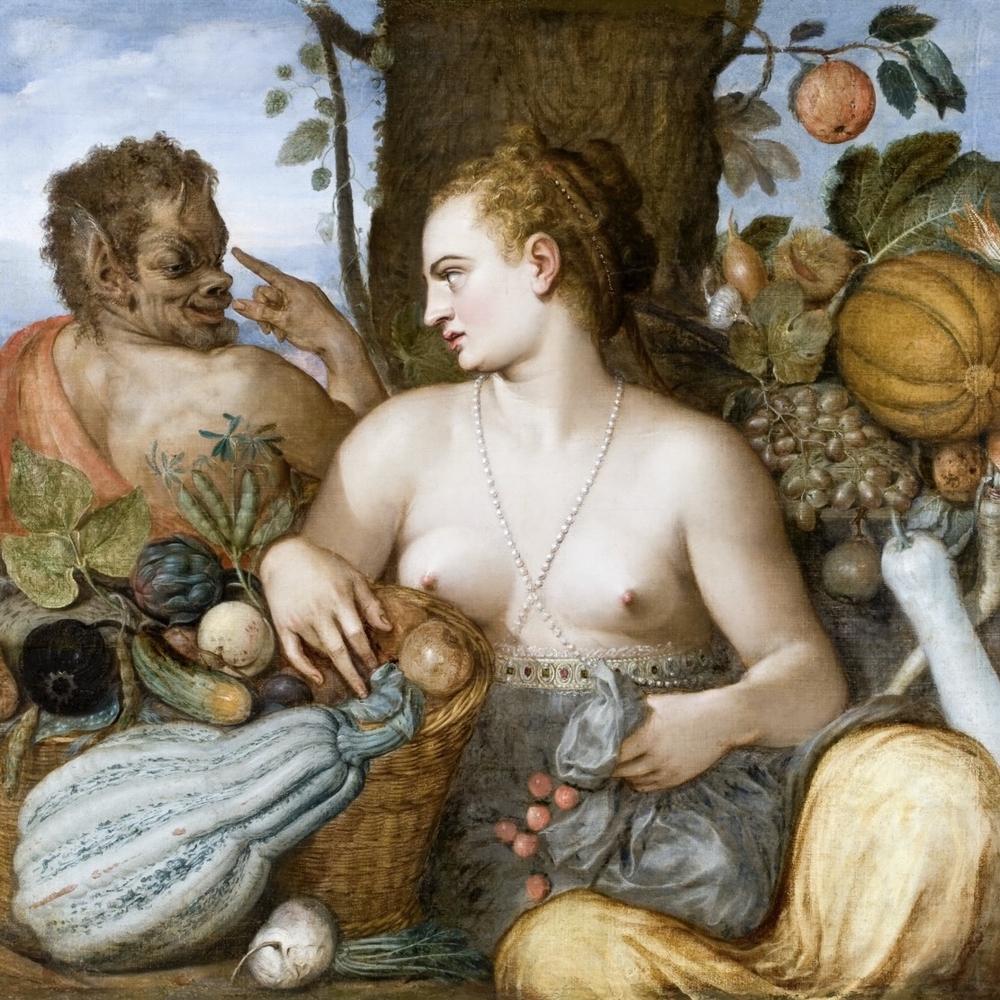
Frans Floris de Vriendt, Pomona, 1565.
Explore More
Nov 12, 2026 – Apr 11, 2027
June 12 – Nov 2, 2026
Until Dec 31

Until Nov 5
Recently Added
Until Jan 17, 2027