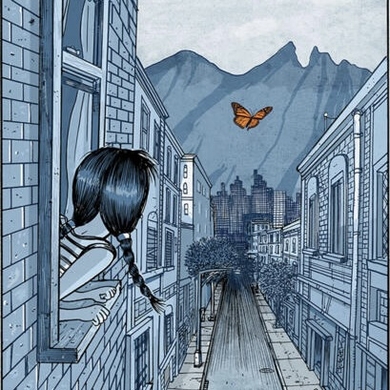
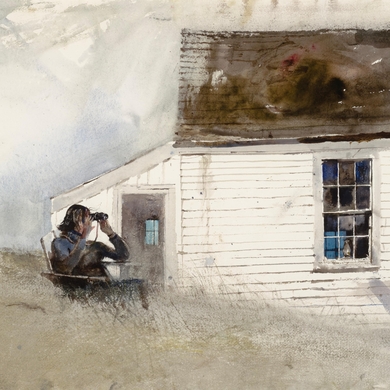
When we see half of Congress standing to applaud the President’s murderous ICE policies, it helps us understand how, en masse in the 1960s, the men of the American Medical Association—doctors!—could shout down Rachel Carson’s findings that pesticides harm living organisms. For those who don’t know, chemicals developed for use in W.W. II were repurposed postwar to kill insects, weeds, and rodents. The poison traveled up the food chain and within a decade, America was losing its raptors—Peregrine falcons, Ospreys, and Bald Eagles, their eggshells breaking due to D.D.T. Meanwhile, songbirds were disappearing in droves. Imagine spring without birdsong, America without its eagle, a yard without a robin. Carson’s 1962 masterpiece, Silent Spring, is not only a founding text of the modern movement for environmental protection, it’s a monument of truth that stood against industry entitlement and corporate greed. Carson won the day. The U.S. banned pesticides and began cleaning up its air and water. With Republicans now dismantling those lifesaving environmental protections, this show at Yale is more timely than ever. Come see what one woman did for a her country and its creatures. The exhibition includes unpublished writings and notes from Beinecke’s exhaustive Rachel Carson Papers, and presents them in dialogue with artifacts and the writings of Carson’s predecessors, peers, and successors, including the transcendentalist writer Henry David Thoreau, the theologian and Trappist monk Thomas Merton, and the contemporary writer and activist Terry Tempest Williams. —Laura Jacobs
Arts Intel Report
Silent Springs, Windswept Seas: Rachel Carson's Environmental Vision
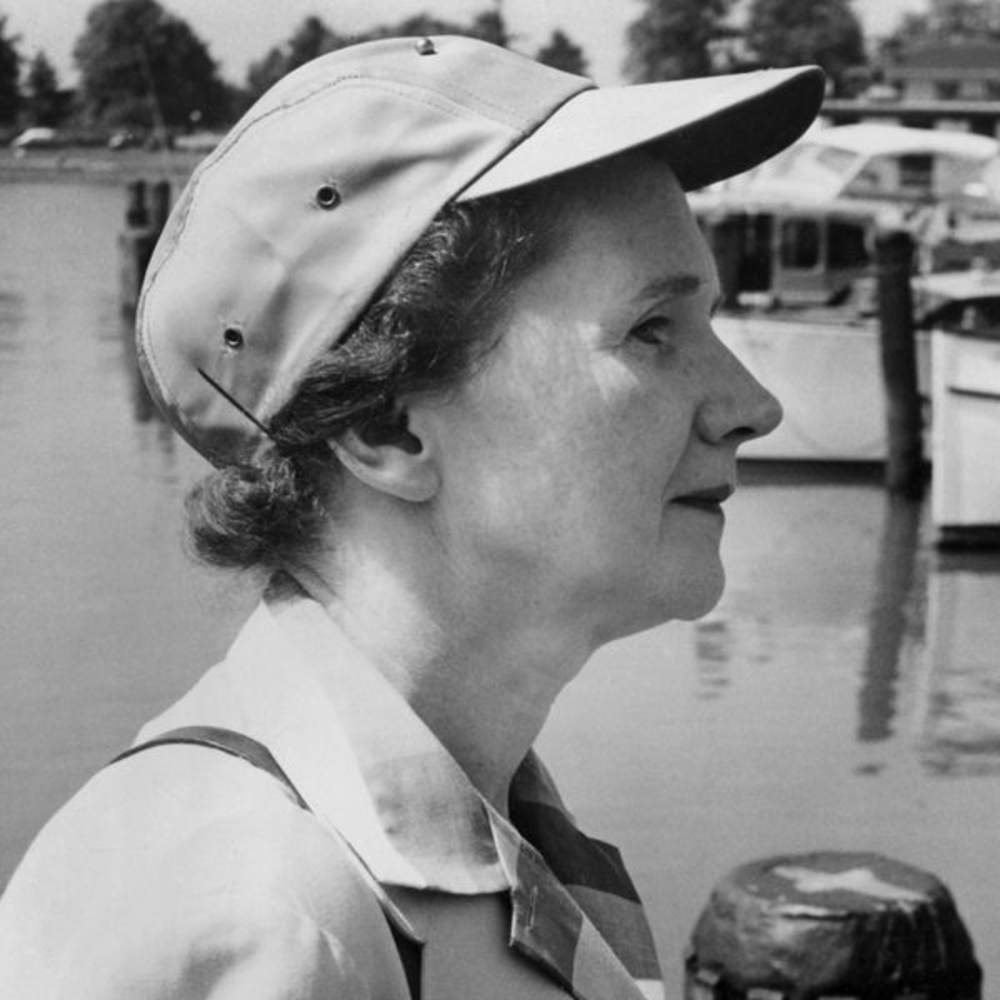
Rachel Carson, 1951.