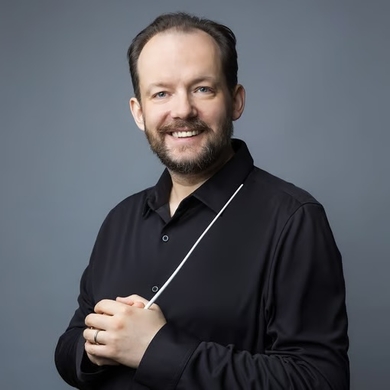
Is the Vienna Philharmonic the world’s greatest orchestra? Many experts think so, often crediting the institution’s distinctive practice of self-government. Rather than answer to some top-down music director, the players choose guest maestros to lead them, concert by concert. In 1998, Franz Welser-Möst was invited in, and a long, harmonious association has followed. In 2002, he added to his portfolio the music directorship of the Cleveland Orchestra, consistently ranked with America’s Top Five or Seven (a perhaps outmoded concept). Back in the old days, when self-respecting national publications had music critics and the music critics had travel budgets, Cleveland was frequently singled out the best of America’s best—not least for its aristocratic, transparent Old World patina. Welser-Möst’s 25th and final Cleveland season perpetuates the aura with programs that are pure Vienna on the Cuyahoga. The opening program launches with Richard Strauss’s autumnal but voluptuous Four Last Songs, featuring the plush vocals of Golda Schulz. Then comes the Eighth Symphony of Dmitri Shostakovich, widely accounted one of the evasive composer’s most rewarding—though the possible extramusical personal and historic agenda of the music, if one exists, remains hard to pin down (September 17, 20). The following week, Welser-Möst leads off with Liszt’s symphonic poem Orpheus (a contemplative favorite with the composer’s son-in-law, Richard Wagner), proceeds to Bohuslav Martinů’s Second Symphony (a Cleveland commission dating to World War II), and closes with the luminous Second Symphony of Johannes Brahms. Brahms never named his symphonies, and they’ve accrued no nicknames, either. But to call the Brahms Second his Pastorale is not far from the mark (September 24, 26). —Matthew Gurewitsch