If Diaghilev had had Christopher Williams on his Ballets Russes roster, the Russian impresario wouldn’t have had to corral Picasso for sets or Satie for a score. Williams would have done it all himself, or, better yet, riffled through a thousand years of classical and Christian sources for the perfect story and setting to fit the score, to which he would have supplied choreography that was wholly contemporary and rigorous yet marbled through with older folk dances, or at least a Western fantasy of them. Indeed, what amazed major critics in the major New York magazines and newspapers two decades ago, when this American original broke into view, was, first, the sophistication and sheer ambition of his choreography—it is choral and musical and grows in evident strength when he casts virtuosos (New York City Ballet’s Taylor Stanley, say)—and, second, that despite their radical-fairy air the dance-dramas seem to have already existed. Sometimes they have. For this season’s addition to his ongoing project “Queering the Canon: Reimagining the Ballets Russes”, Fokine’s Spectre de la Rose is the obvious source, even if the ballroom that the girl dreams of is a Voguers’ palace and she is that special kind of “girl.” —Apollinaire Scherr
Arts Intel Report
Christopher Williams: Spectre de la Rose & La Rhétorique des Dieux
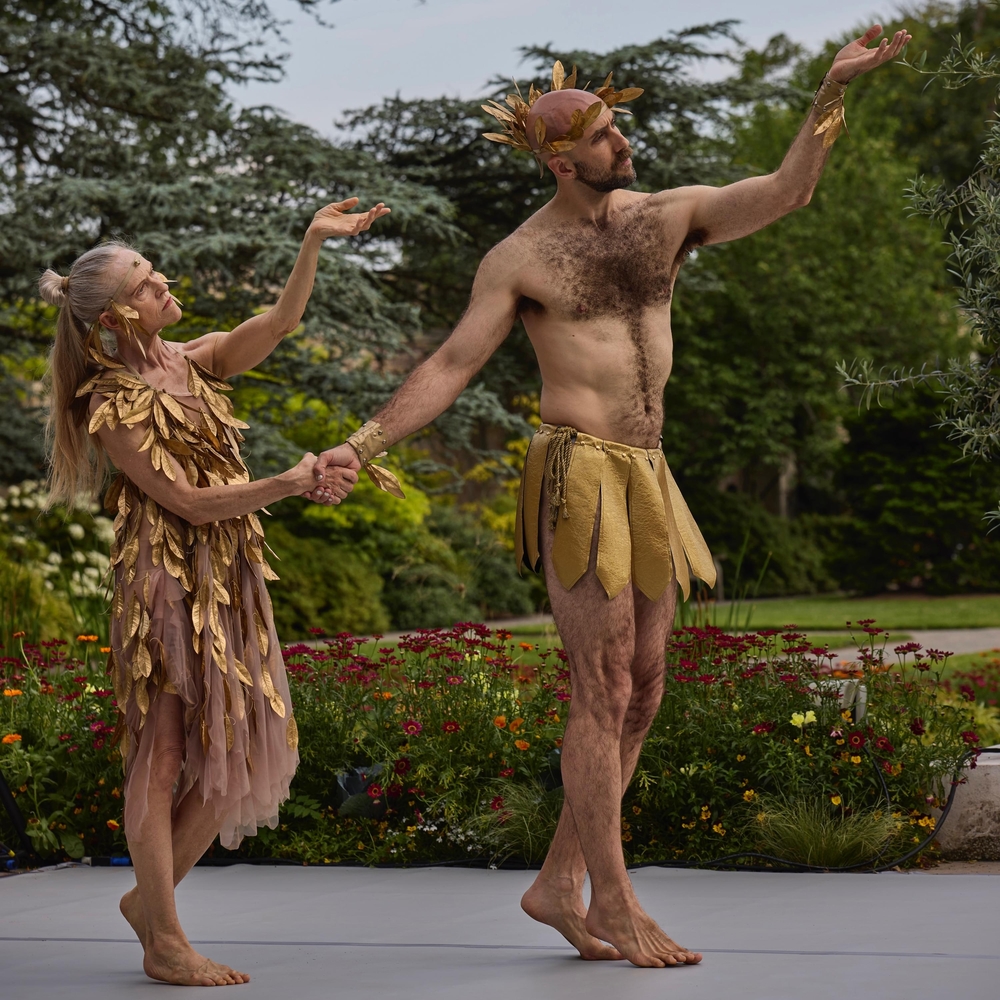
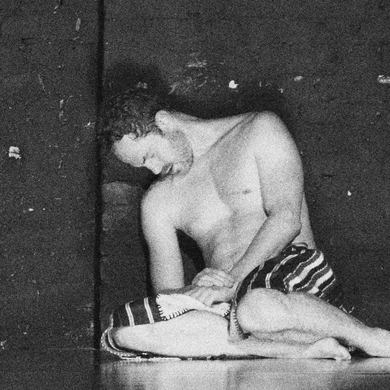
A still from Christopher Williams’s La Rhétorique des Dieux.